Choosing between an all-inclusive vs half-board rate is one of those booking decisions that looks simple until you actually sit down with the prices. The all-inclusive quote is always higher, but it promises no surprise bills at the bar. The half-board rate is cheaper on paper, yet every lunch, snack and cold drink comes out of your own pocket. Which one actually costs less depends far more on your travel habits than on the resort itself.
This guide walks you through what each board type really covers, when the math favors one over the other, and how much flexibility you give up with each. We will look at which trip styles suit each basis, how to compare offers properly, and where in the world each model is the standard. By the end, you will be able to match the board basis to how you actually travel, not how the brochure hopes you do.
What Each Board Type Actually Includes
At first glance the labels seem self-explanatory, but the fine print is where the real differences live. An all-inclusive package covers breakfast, lunch and dinner, and usually includes local drinks and snacks throughout the day. However, premium imported brands, cocktails at specialty bars and à la carte venues often sit outside the package, sometimes for an extra fee paid at the table.
Half-board is much simpler: you get breakfast and dinner, and everything else is your own expense. Lunch, mid-afternoon ice creams, bottled water by the pool and every drink at the bar all go on your room bill. That freedom is the whole point of the plan, but it also means your final bill can drift upward if you are not paying attention.
The middle option: full board
Some resorts sell full board as a compromise between the two. It includes all three meals but no drinks beyond breakfast, so you still pay for coffee at lunch and wine at dinner. It suits travelers who eat on site but want to keep beverage costs flexible.
Before comparing headline prices between resorts, check the small print carefully. Ask whether minibar refills, room service and kids’ snacks between meals are included, because these are the items that quietly inflate a half-board bill or, conversely, make one all-inclusive deal noticeably better than another at the same price.
Price Comparison: When All-Inclusive vs Half-Board Comes Out Ahead
All-inclusive rates typically run 20-40% higher than half-board at the same resort, so the question is not which package is cheaper but where your break-even point sits. That point is simply the amount you would realistically spend on lunches and drinks under half-board. Spend more than the difference, and all-inclusive wins; spend less, and you are paying upfront for meals you eat elsewhere.
For a family that eats every lunch at the resort poolside buffet, the math can be decisive. Eating all lunches inside an all-inclusive resort can save roughly 15-25 euros per person per day versus paying local restaurant prices, and that adds up fast over a two-week stay with children. For couples who wander out to a taverna most lunchtimes, the same package quietly loses money, since the prepaid lunches go uneaten while the restaurant bill still gets paid.
Timing also shifts the numbers. In shoulder-season weeks (May-June, September-October) the gap between the two board types narrows the most, which makes upgrades cheaper exactly when resorts are quieter.
- Count drinks, not just meals. A family ordering soft drinks, coffees and the occasional beer by the pool can easily spend more on beverages than on lunches, and drinks are where all-inclusive covers the most ground.
- Adjust for your excursion pattern. If a boat trip or a day trip takes you off the property for lunch twice a week, each of those days erodes the value of your prepaid meals.
- Compare within the same resort. The 20-40% premium only means something measured against the identical room and dates, not against a different hotel’s half-board rate.
Flexibility and the Freedom to Eat Out
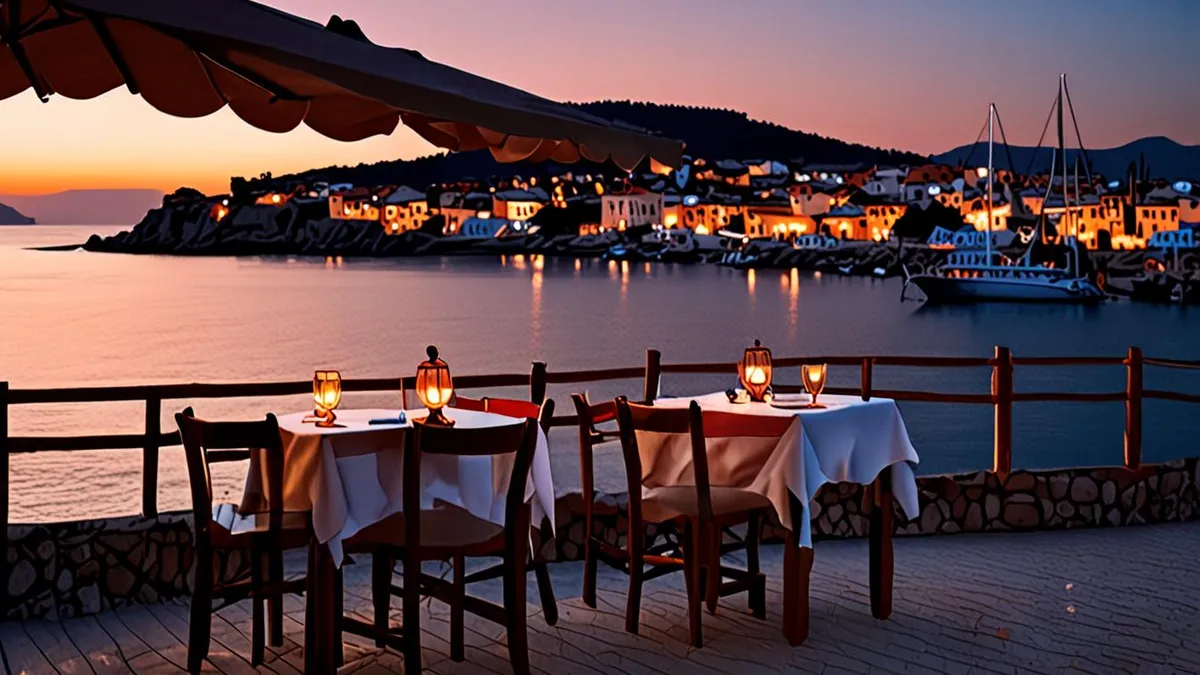
Flexibility is where the two board bases feel completely different on the ground. Half-board lets you head out in the morning on a boat trip, a hike or a day of sightseeing, eat lunch wherever you happen to be, and still return to a proper dinner at the resort in the evening. For trips built around excursions, that rhythm is hard to beat: you get one predictable meal a day and complete freedom with the rest.
The all-inclusive trap
All-inclusive plans, by contrast, gently discourage leaving the property. Every meal is already paid for, so each lunch eaten in town feels like money wasted, and travelers who booked the package often end up staying put more than they planned. That is perfectly fine if you genuinely want a resort-bound week, but it can turn a destination with great local food into a backdrop rather than an experience.
Compromises worth checking
Some all-inclusive resorts now offer meal credits at partner restaurants outside the property as a middle path. It is a genuinely useful option, but confirm the exchange rate before booking, because credits rarely convert one-to-one against the menu prices.
One more practical detail: all-inclusive bar service is often limited to house brands and fixed bar hours, commonly running from 10:00 to 23:00. If your evenings run late or you prefer specific spirits and wines, expect to pay for them separately, and factor that into your comparison before you book.
Which Trip Styles Fit Each Board Basis
The right board basis usually depends less on the resort itself and more on the shape of your trip. A meal plan that feels like excellent value for one traveler can feel restrictive for another, so it pays to match the package to your travel style before you commit.
Beach-heavy family weeks with young children are the classic case for all-inclusive. You get predictable costs, kids’ buffets that please picky eaters, and no daily budgeting while you juggle sunscreen, naps and pool time. If your family reliably eats every lunch on site, the daily saving versus local restaurant prices can reach roughly 15-25 euros per person, which adds up fast over a week.
Wellness trips are a different story. Many guests spend their days in treatments and classes, then prefer light, healthy lunches instead of another heavy resort spread. Half-board gives you that freedom, and properties focused on wellbeing tend to build their dinner menus around it. Our guide to wellness holidays in Europe covers resorts where this pattern works especially well.
Destination-hopping itineraries and city breaks pair poorly with all-inclusive, which is rarely offered outside beach resorts anyway. Couples chasing local food culture should lean toward half-board or bed and breakfast, since prepaid meals are exactly what keeps you from the tavernas and markets you came for.
- Multi-generational groups: all-inclusive simplifies splitting bills across three generations, since grandparents, parents and children all eat and drink under one prepaid rate.
- Solo travelers on short breaks: half-board often suits better, as solo diners may find large resort buffets awkward and prefer exploring nearby eateries alone.
- Active or excursion-heavy trips: boat days, hiking tours and island hopping mean you will miss resort meals anyway, so paying for them in advance wastes money.
How to Compare Offers and Book the Right Rate
Comparing board bases is only useful if you compare like with like. Resorts make this harder than it should be by bundling drinks, extras and cancellation rules differently on each plan, so a methodical approach pays off. Before you commit to anything, gather the full price breakdown for each plan at the same property, on the same dates and in the same room category. A quick spreadsheet or even notes on your phone will do, as long as you capture every line item the resort quotes.
- Book 3-6 months ahead. This secures the widest choice of board options and rooms. In family-focused resorts, the cheaper board types tend to sell out first, so waiting until the last minute often leaves you with only the most expensive plan available.
- Price the same room on both bases. Then add a realistic estimate of your out-of-pocket lunches and drinks to the cheaper rate. Be honest about your habits: if you plan to eat lunch out three times, only count the meals you will actually take at the resort.
- Read the drinks package in detail. On an all-inclusive plan, expect the bar to pour house labels rather than premium brands, and to close its included service at a set hour, commonly between 10:00 and 23:00. Check whether the minibar is refilled, whether room service counts, and what happens at the pool bar after dinner.
- Check cancellation terms separately. All-inclusive peak-season rates often carry stricter conditions than half-board at the same property, so a flexible half-board rate may be worth a slightly higher headline price.
Once you have run the numbers on two or three properties, the right choice usually becomes obvious. The goal is not to find the cheapest label but the plan that matches how you will actually spend your days, and a little comparison work up front prevents both overspending and unpleasant surprises at check-in.
Where Each Board Type Is the Standard
Board basis is largely a matter of geography. Some regions have built their entire resort economy around one model, and knowing the local norm helps you spot when a rate is genuinely good or quietly padded.
Large beach destinations such as the Greek islands, the Turkish coast and the Canary Islands are strongholds of the all-inclusive model. These are family-heavy markets where guests tend to stay put for a week, so resorts compete on package value and kids’ facilities rather than on nearby dining scenes.
Where half-board is the standard
Boutique properties, rural retreats and spa resorts in Portugal, Ireland and the Nordics usually sell breakfast and dinner as the baseline, with bed and breakfast as the lighter alternative. Their guests come for landscapes, wine routes, hiking or treatments, and the properties assume you will spend your days out and your evenings at the dinner table.
One country, both models
Portugal shows both patterns in miniature. Family beach strips go all-inclusive, while wine and heritage estates stay firmly half-board. The Douro valley is the clearest example: quintas and riverside retreats expect guests to spend days at vineyards and viewpoints, so dinner is included and lunch is left open. If you are weighing a stay in the region, our guide to Douro resorts near vineyard estates breaks down what each property includes.
Matching your destination’s dominant model avoids paying a premium for an unusual board basis. When a resort offers a plan that locals rarely book, that rate is usually priced as an exception, not a bargain.
Choosing With Confidence
So which board basis actually saves you money? The honest answer depends on your travel style, not on the package brochure’s assumptions. All-inclusive wins for resort-bound families who eat every meal on site, where the prepaid rate removes daily budgeting and covers the snacks and drinks that quietly add up. Half-board wins for explorers, couples and spa trips, where lunches out and local restaurants are part of the experience rather than an extra cost.
The deciding move is simple: run the numbers with your real eating habits. Compare the same room on both board bases, add a realistic estimate of what you would spend outside the package, and read the inclusions in detail before booking. Book early for the widest choice, and pick the plan that fits the way you actually travel rather than the one that sounds like the better deal on paper. If this helped you decide, leave a comment or share the article with a fellow traveler.