Figuring out what to pack for a resort holiday sounds simple until you’re standing in front of an open suitcase. Most travelers fall into one of two traps: they stuff in far too much and pay for it at check-in, or they travel light and then discover the resort shop sells sunscreen at eye-watering prices. This checklist solves both problems in one list.
Below you’ll find the documents and money essentials to sort out before you leave, clothing that works for the pool and the restaurant, sun and beach gear, tech and in-room comfort items, and a packing strategy that keeps your suitcase honest. There’s also a section on extras that depend on your resort type, whether you’re traveling with teens, heading to a spa, or playing golf. Each part covers only its own points, so you can skim to what applies to your trip and build your list in minutes.
Travel Documents and Money Essentials
Documents are the one category where a mistake can end your holiday before it starts, so sort these out first and pack them properly. Check your passport well ahead of booking: many countries require at least six months’ validity beyond your travel dates, and renewals can take weeks. Look at the visa requirements for your destination too, since some countries require an electronic travel authorization or visa arranged before departure, and processing times vary. Print your booking confirmations as well as keeping them on your phone, because resort Wi-Fi and roaming data are not things you want to rely on at the front desk. It also helps to save your resort’s name, address and confirmation number in a note on your phone, so a taxi driver or transfer service can find it even if your booking email is buried.
Money needs the same redundancy. Card terminals occasionally go down, ATMs are not always nearby, and you do not want your only payment method blocked by a fraud alert on day one of a beach week. Before you leave, tell your bank and card issuers you are traveling, and check what foreign transaction fees apply so you can choose the cheapest card to use abroad.
- Travel insurance details saved twice: keep the policy number and emergency contact line offline, such as in a note on paper, so you can still reach your insurer if your phone battery dies or there’s no signal.
- Two payment methods from different networks: for example a credit card plus a debit card, so a lost wallet or a blocked card doesn’t leave you stranded at the resort.
- Small amount of local currency in cash: enough for tips, airport transfers and small vendors who don’t take cards, since some shuttle drivers and porters expect it.
- Photocopies or photos of key documents: store copies of your passport, insurance and bookings separately from the originals, for instance in your checked bag or with a travel companion, so a lost passport is an inconvenience rather than a crisis.
Clothing for Pool, Beach and Evening
Resort packing lives or dies on clothing choices, because you’ll move between the pool, your room and the restaurant several times a day. The swimwear rule is simple: bring two to three swimsuits so one is always dry. Nothing is worse than pulling on a damp suit at 8am when the pool opens. Add a cover-up for walking between the pool and your room, since most resorts expect one in shared indoor spaces like lobbies and bars. A light sarong or cotton shirt works well here because it packs flat and doubles as a beach towel substitute if you forget one.
Evenings are where travelers get caught out. Most resort restaurants require smart-casual attire and won’t accept beachwear after 7pm, so pack at least a couple of proper outfits you actually enjoy wearing. Mediterranean evenings can also surprise you: even in summer, temperatures can drop to 15-20°C once the sun goes down, so one light layer earns its place in your bag. If you’re unsure how strict your resort is, check the dress code on the hotel’s website before you fly, or message them directly. A quick email saves you from eating dinner in your room because your shorts were rejected at the door.
- Footwear strategy: comfortable sandals for daytime and evenings, plus one pair of closed shoes for excursions such as boat trips, old town walks or jeep tours where flip-flops will fail you.
- Smart-casual specifics: think a collared shirt or a simple dress with trousers or a skirt, not formalwear, since most resort restaurants draw the line at swimwear and vests rather than demanding jackets.
- Layer choice: a light cardigan, hoodie or packable jacket that folds down small, because the 15-20°C evening dip is noticeable when you’ve been in the sun all day.
- Quick-dry fabrics: choose linen or synthetic blends over heavy cotton, so poolside clothes and cover-ups dry overnight and you can re-wear them without a laundry run.
Sun, Pool and Beach Gear
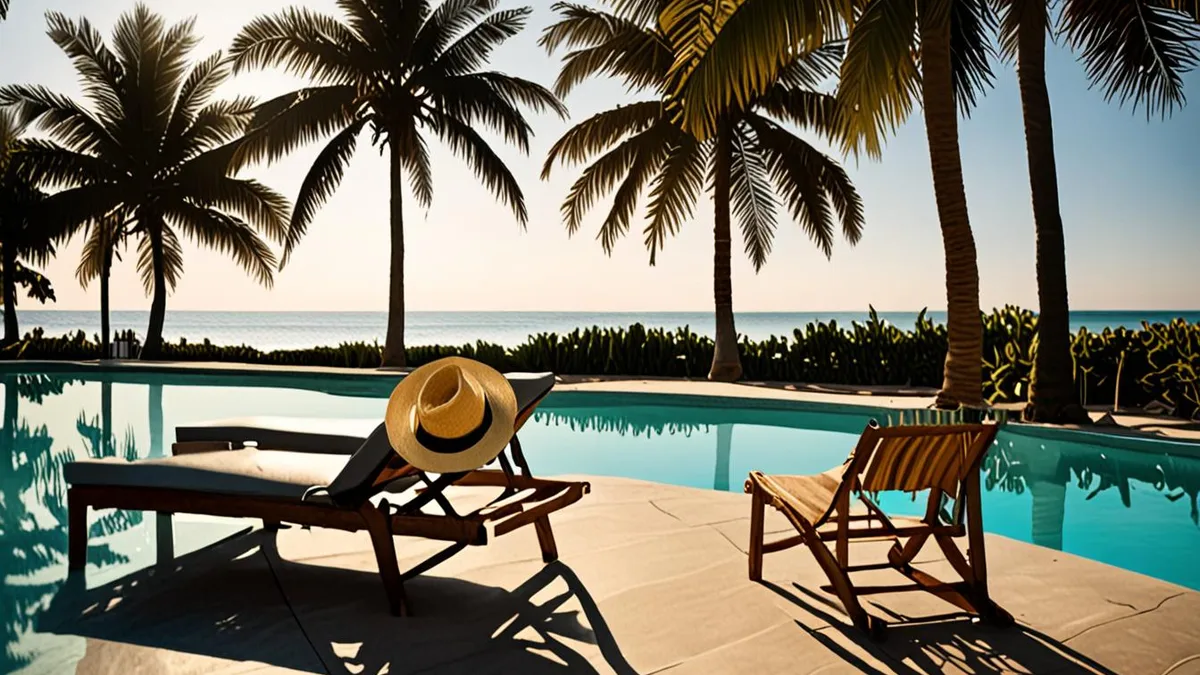
Sun protection is the category where cutting corners costs you real money at the resort shop, so bring your own from home. Resort shop prices for sunscreen, hats and after-sun can easily run two or three times what you pay at your local store, and the selection is often limited to whatever brand the resort happens to stock. Reef-safe sunscreen in the SPF 30-50 range covers most skin types for beach and pool days, and it’s kinder to the water if you swim off the beach rather than only in chlorinated pools. Pair it with after-sun lotion, because even careful sunbathers come home with tight, pink shoulders by day three. Aloe-based gels are lighter than heavy creams and pack without leaking.
Beach conditions vary more than first-time resort guests expect, and it pays to check what kind of shoreline your hotel sits on before you leave. Some coastlines are pebble rather than sand, and stretches of the Rhodes coastline are a good example, as covered in our guide to resorts along Rhodes’ historic coastlines, where barefoot walking from towel to water gets uncomfortable fast. A pair of water shoes solves it and takes up almost no suitcase space, so there’s no reason to leave them behind.
- Wide-brimmed hat: choose one that packs or crushes well, since a baseball cap leaves your neck and ears exposed during long poolside afternoons.
- Quick-dry microfibre towel: resorts often mark room towels as pool-only and charge for missing ones, so a compact towel is the safer choice for excursions and boat trips.
- Reusable water bottle: refill it between pool sessions instead of buying bottled water all day, and insulated versions keep drinks cold in full sun.
- Sunscreen practicality: pack a stick or small tube in your day bag for reapplication every couple of hours, since the bottle that lives in your room rarely makes it to the beach with you.
Tech and In-Room Comfort Items
Tech items are small, but forgetting the right one can turn a relaxing evening into a frustrating scramble. Resort rooms vary enormously depending on the country, and socket types are the classic example. A universal travel adapter solves this in one go, so you are not hunting for a borrowed plug at reception. It is also worth packing a short extension lead or multi-USB plug if you travel with several devices, since many rooms offer fewer sockets than the average family needs.
Battery life is the second common headache. Long days by the pool or on the beach often mean you are nowhere near your room for hours, and phone batteries drain quickly in the heat and sun. A 10,000mAh power bank covers most resort room setups and easily recharges a phone once or twice, which is enough for a full day out. Pair it with a short charging cable so it is easy to use in a beach bag.
Evenings at resorts can be quieter than you expect, especially on all-inclusive properties away from town. Downloaded entertainment makes those hours pleasant rather than dull. Before you fly, load a tablet or e-reader with books, films, podcasts and offline maps, since resort Wi-Fi can be slow or limited to certain areas. A small first-aid kit rounds out the list and saves you a trip to an on-site shop at inflated prices.
- A universal travel adapter with built-in USB ports lets you charge a phone and camera from a single socket, useful in older rooms with limited outlets.
- Choose a 10,000mAh power bank with at least two output ports so you can top up your phone and a partner’s device at the same time.
- Download entertainment at home on fast Wi-Fi, as streaming several films over resort connections can be slow or use up a limited data allowance.
- Include motion-sickness tablets in your first-aid kit if your resort offers boat trips or winding coastal excursions, plus rehydration sachets for hot days.
Packing Strategy to Avoid Overpacking
Most resort travelers pack far more than they need, then struggle with a bulging suitcase on the way home. A few simple habits keep your luggage manageable while still covering every situation, from pool mornings to smart-casual dinners. The trick is to plan by outfit rather than by item, and to decide before you zip the bag what really earns its space. Ten minutes of planning saves an hour of repacking at the airport.
- Apply the 7-days-plus-two rule: pack one week of outfits plus two spares for a typical one-week resort stay. The spares cover spills, an extra-swimmy day or an outfit you decide against, without doubling your wardrobe.
- Roll your clothes instead of folding them. Rolling saves roughly a third of suitcase space and leaves fewer hard creases, which matters when dresses and shirts go straight from the case to an evening restaurant.
- Keep swimwear, documents and sunscreen in your hand luggage. Most resort pools and spas open from around 8am, so if your checked bag is delayed you can still swim and start your holiday properly while you wait, with your passport and payment cards safely with you.
- Leave about a quarter of your suitcase empty on the way out. Souvenirs, local wine and olive oil bottles have a habit of filling any gap you leave, so plan the space now rather than sit on your case at check-in.
Once you have packed, do a final edit: lay everything on the bed and remove anything you have not worn on a similar trip before. Resist the urge to pack “just in case” items for every possible scenario. Resorts almost always have a shop on site or nearby, so a forgotten pair of sandals is an inconvenience, not a crisis. A lighter case means easier transfers, quicker check-ins and more room for the things you actually bring home. If in doubt, take out one pair of shoes and one outfit you have not worn in the past year, because those are the items most likely to stay in the suitcase all week.
Extras That Depend on Your Resort Type
Not every resort holiday looks the same, and the last part of your packing list should reflect the kind of trip you have booked. A family stay with teenagers calls for different extras than a week built around spa treatments or early-morning tee times. Thinking about how you will actually spend your days helps you spot the gaps that a generic checklist misses, and it stops you hauling along gear you will never touch.
If you are traveling with teens, remember that they often entertain themselves between organized activities, usually on a screen. Pack a few compact games and portable chargers so their devices survive the day and the evenings stay peaceful. For spa-focused trips, think about what you will wear walking between saunas, pools and relaxation rooms, since robes are provided but footwear and layers are not. If your resort centers on golf or long walks, sport-specific shoes are the one item you should never rely on renting on site, where availability is often limited and rental prices run high. If a Nordic spa break is on your radar, this guide to Estonia resorts for Nordic spa trips covers what those circuits involve and what to expect.
- For teens, card games and a deck of playing cards take up almost no space and work during pool downtime, flights and rainy afternoons alike.
- At Nordic-style spas, bring flip-flops with grip, since wet stone floors between saunas and cold plunge pools can be slippery.
- Wear a loose, robe-friendly outfit such as a soft dress or joggers on spa days, so moving between hot and cold circuits stays comfortable.
- Golfers should pack their own gloves and a few tees too, as these small items are often the first to sell out at resort pro shops.
Your Packing Checklist at a Glance
If you have ever opened a suitcase to find three pairs of shoes and no sunscreen, or arrived at the pool with no swimwear because your checked bag took a detour, this checklist is for you. It solves both classic packing mistakes in one list: overpacking and missing the essentials that matter most.
The order is simple. Documents, two payment methods and offline copies come first. Clothing covers the pool, smart-casual evenings and one warm layer for cooler nights. Sun gear, tech items and any type-specific extras complete the list. And the 7-days-plus-two rule keeps the whole thing light, leaving a quarter of your suitcase free for souvenirs on the way home. Work through it the night before you fly and you will arrive prepared, not buried in luggage. If this checklist helped, leave a comment or share it with a fellow traveler.