Both destinations sell the same daydream: turquoise water, a villa over the lagoon, nothing to do but snorkel and sip cocktails. But the Maldives vs Seychelles choice is really a choice between two completely different holiday structures, seasons and price tags. Pick the wrong one for your dates, your budget or your travel style, and you can easily burn thousands on transfers, meals or a villa you didn’t actually need.
This guide breaks the decision into the questions that actually matter: how each island model works, when the weather windows open, what your nightly rate really covers, how long and costly the transfers are, what you’ll do all day, and how to match the island to your trip. By the end, you’ll know which destination fits your travel dates, your tolerance for seaplanes and ferries, and whether the overwater villa premium is worth it for you.
Maldives vs Seychelles: The Core Difference in One Look
The single biggest difference between these two destinations isn’t the beaches or the food — it’s structure. In the Maldives, your resort is the island. The country spreads across about 1,190 coral islands, and the resort model puts one hotel on each one, so from the moment your speedboat or seaplane drops you off, your entire holiday happens inside that property. The beach, the restaurants, the dive school, the spa: all on site, and nothing else exists within walking distance.
The Seychelles works the other way around. Its main islands — Mahé, Praslin and La Digue — are large, inhabited granite islands with real towns, roads, bus routes and local restaurants. Resorts sit alongside villages, so you can rent a car, drive to a different beach every morning, eat Creole food in a local eatery and still return to your hotel.
Which model suits you?
If you want a sealed-off bubble where everything is arranged and on site — the classic honeymoon fantasy — the Maldives model fits perfectly. If you’d rather have freedom to explore, island-hop and mix resort time with independent days, the Seychelles model is the better match. This one structural difference drives almost every price, transfer and activity decision covered in the rest of this article, so keep it in mind as you read on.
When to Go: Seasons and Weather Windows
Timing matters in both destinations, but the calendars don’t match. In the Maldives, aim for November to April, when the weather is dry and the seas are calm. May to October brings rain and cloud, but rates drop noticeably, so it can be a smart trade if you’re flexible and don’t mind an afternoon shower.
The Seychelles runs on trade winds rather than a simple wet-dry split. April and the October to November window bring the calmest seas and least wind, sitting neatly between the two trade wind seasons. December to March brings the northwest trade wind, with warmer, more humid conditions on some coasts, while May to September is windier and cooler — which suits surfers and hikers but can stir seaweed onto some beaches.
Planning tips by season
- Shoulder months stretch your budget: the Seychelles calm windows of April and October to November often come with softer prices than peak dates, so shifting your trip by a few weeks can save real money.
- Seaweed varies by coast, not just season: in the windier Seychelles months, some beaches collect seaweed while others stay clear, so check which coast your hotel sits on before booking.
- Book early for fixed dates: if you’re locked into high-season dates in either destination, plan on reserving 6-11 months ahead to get the villa or room you actually want.
Whichever destination you choose, match the season to what you want to do — calm water for snorkelling, wind for surf — rather than chasing a generic “best month.”
What Your Budget Actually Buys
This is where the two destinations diverge most sharply. In the Maldives, the iconic overwater villa typically runs $800-$2,000+ per night, while a beach villa starts around $400 — so the stilt room is the big budget jump, often doubling your rate. Seychelles resort rooms span roughly $300-$1,500 per night, and the islands offer far more mid-range and self-catering options than the Maldives does.
Transfers add up differently too. In the Maldives, seaplane or speedboat transfers for resorts far from Malé typically cost $300-$600 per person round trip — sometimes rivalling a night’s stay. In the Seychelles, inter-island ferries and short flights cost far less, which makes a two- or three-island trip realistic on a single budget.
Meals and what to watch for
- All-inclusive usually pays off in the Maldives: since there’s nowhere else to eat on a resort island, the package often works out cheaper than paying per meal, especially for longer stays.
- Half-board is the Seychelles pattern: most resorts there offer breakfast and dinner, leaving you free to lunch at beach kiosks and Creole restaurants — which is half the fun of visiting.
- Check what’s included before comparing rates: a cheaper Maldives room rate without meals can end up costing more than a slightly pricier all-inclusive once dinners and drinks are added.
Before you fall in love with a specific villa, price the full stay: nightly rate, meal plan and transfers. The true cost gap between the two destinations is often wider — or narrower — than the headline room rates suggest.
Transfers and Island Logistics
Getting to your resort in the Maldives is part of the experience, but it needs planning. Resorts on nearby atolls are reached by speedboat, while those on distant atolls use seaplanes with flight times of 20-60 minutes. Seaplanes only fly in daylight, so the schedule is fixed by the sun rather than by demand.
This daylight rule has a real consequence: if your international flight lands in the evening, you will often need to spend a night near Malé or on an airport island before the seaplane can take you onward the next morning. Build that extra night into your plans and your budget, and confirm your resort’s transfer arrangements when you book rather than after you land.
Getting around the Seychelles
The Seychelles works quite differently. Scheduled ferries and short domestic flights of 15-60 minutes connect Mahé, Praslin and La Digue, and there are usually multiple departures each day. That flexibility makes it easy to arrive in the evening, move between islands the next morning, or reshuffle plans if the weather turns.
The structure of each destination also shapes how much transferring you will do. In the Maldives, one resort per island means the only way to change scenery is to change hotels and pay for another transfer. In the Seychelles, you can base yourself in one place and day-trip to the neighbors. Whichever model appeals to you, add the cost of transfers to your sums before committing to a particular atoll or island, because they can meaningfully shift your total cost.
Beaches, Snorkelling and What You Do All Day
In the Maldives, the lagoon is the main event. The water is calm, shallow and warm, and many resorts are built around a house reef you can reach straight from your villa deck or the beach. Snorkelling and diving off your own jetty is the core daily activity, and it is genuinely hard to beat drifting over a coral drop-off before breakfast.
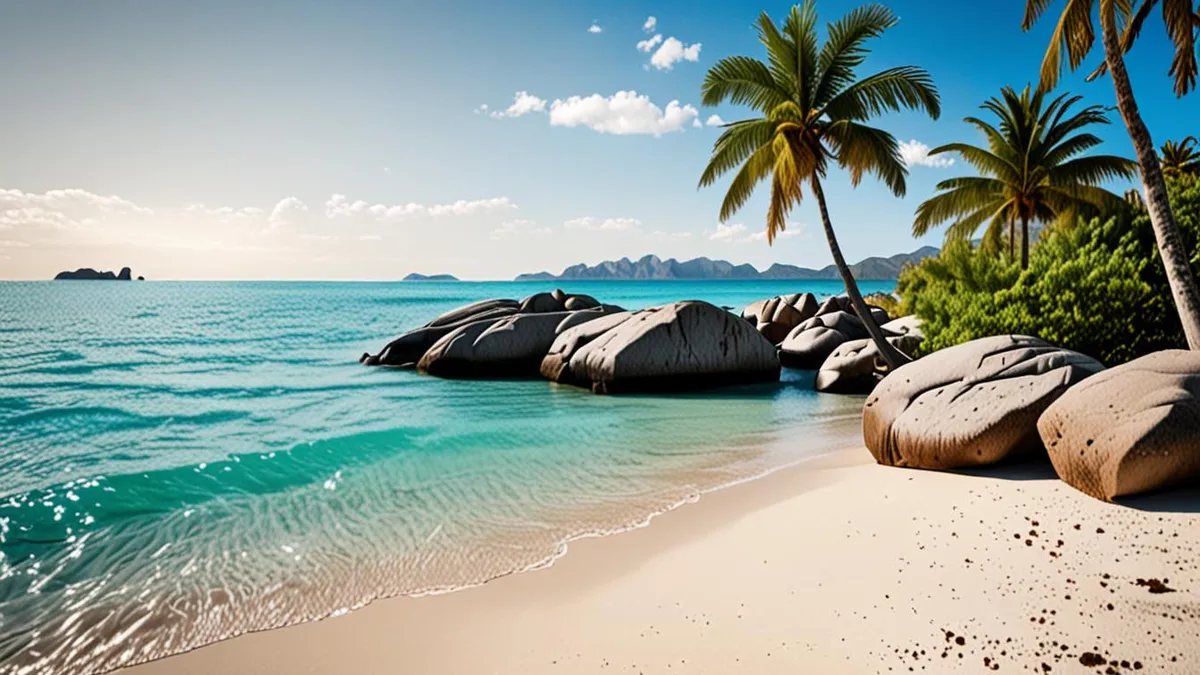
The Seychelles offers a different rhythm. Its beaches are framed by enormous granite boulders and backed by jungle, so a day naturally mixes swimming with hiking trails, visiting giant tortoise reserves and wandering Creole food towns. The reef access is generally less consistent than in the Maldives, but the variety above the water is far greater.
A few practical points to sort out before you book:
- Verify the house reef. Not every Maldivian atoll island has good snorkelling off the beach, so ask the resort specifically about reef condition, depth and distance from shore rather than trusting a generic “snorkelling available” line.
- Check for a resident marine biologist. Many Maldivian resorts employ one, and their guided reef walks and snorkel sessions make the underwater world far more rewarding, especially for first-timers.
- Plan your Seychelles island days properly. La Digue and Praslin each deserve a full day rather than a rushed stop, so decide which islands you will actually reach and how you will get between them before you arrive.
- Match the activity to the season. Windy months in the Seychelles can affect which beaches are comfortable for swimming, so if snorkelling is your priority, favor the calmer transition windows.
In short: divers and snorkellers get easier, more consistent reef access in the Maldives, while scenery seekers and explorers get more variety in the Seychelles. Neither is better, but they reward very different kinds of traveler.
How to Match the Island to Your Trip
The right island depends less on which destination is “better” and more on what kind of trip you are taking. Honeymooners chasing privacy and that signature overwater villa should lean Maldives, accepting that the stilt-room premium is the biggest single cost decision of the trip. Families and first-time visitors who want restaurants, shops and self-drive days usually get better value and flexibility in the Seychelles, where the wider spread of mid-range and self-catering options keeps the floor lower.
Your dates matter too. If you can only travel between May and October, the Seychelles shoulder months of April and October to November offer the better weather odds at softer prices. If your trip falls in the November to April window, both destinations work well, so let your budget and your tolerance for long transfers decide rather than the calendar.
A few trip-specific considerations worth weighing:
- Trip length. Short trips of five nights or fewer favour the Maldives single-resort model, since there is no time wasted moving between islands; longer trips reward the Seychelles multi-island format.
- Kids and water safety. Maldivian lagoons are typically shallow and calm right off the beach, which makes paddling and beginner snorkelling easier to supervise than open, boulder-framed Seychelles bays.
- Dining freedom. In the Seychelles you can eat out at local Creole restaurants most nights, while a Maldivian resort means committing to its restaurants and prices for the whole stay.
- Booking lead time. Traveling in peak season at either destination means planning well ahead, so reserve your room category and transfer schedule 6-11 months out to avoid settling for what is left.
Match the format to the trip and both destinations deliver. The mistake is choosing a destination first and hoping it suits your travel style, rather than the other way around.
The Short Answer
So, the short answer: if your dream is an overwater villa, a house reef off your deck and total seclusion, the Maldives is your island — just aim for the dry season from November to April and budget for those $300-$600 per person seaplane transfers. If you want variety, easier island-hopping and a softer price tag of roughly $300-$1,500 per night, the Seychelles makes more sense, with the calmest seas in April and October to November.
Decide with three questions. When are you going? Do you want one sealed resort or several islands? And does the overwater villa premium actually fit your budget? Get those three answers straight and the right destination picks itself. If this helped you choose, leave a comment or share the article with your travel partner.