Villa prices in the Algarve swing wildly by season and booking window, so travelers often overpay simply because they picked the wrong week or booked too late. The same three-bedroom villa with a pool can cost double in August what it does in October, and even within peak season, the moment you commit matters. If you want to book a villa in the Algarve without paying peak-season money, timing is your most powerful tool.
This guide walks you through how the Algarve villa calendar shapes prices, when to book for summer, shoulder-season and winter stays, and which weeks deliver the best value for your money. We’ll also look at how your choice of area affects the rate, and share practical tactics on flexibility, deposits and rate watching. By the end, you’ll have a clear booking plan built around real savings rather than guesswork.
How the Algarve Villa Calendar Shapes Prices
Villa rates in the Algarve follow a predictable rhythm, and once you understand it, you can plan around the expensive weeks instead of stumbling into them. High season runs roughly from mid-June to early September, when family demand and school holidays overlap. This is when pools, seafront terraces and golf-front villas all command their highest prices, and availability in popular towns tightens fast.
Outside that summer core, prices fall sharply. The shoulder seasons of May, late September and October typically cost 30-50% less than August, and the crowds are noticeably milder too. You trade a little certainty about the weather for a lot of savings and quieter beaches and restaurants.
The value window: November to March
Winter is where the deepest discounts live. From November to March, some villas drop 50-70% below their summer rates, which turns a luxury property into a genuinely affordable base for a long stay. Owners who would rather have someone in the house than an empty one price these months accordingly. If your dates are flexible and you don’t need beach weather, this is the period that changes the math entirely, especially for longer rentals where weekly savings compound into serious money.
When to Book a Villa in the Algarve for Lower Rates
Knowing the calendar is half the job; the other half is knowing when to actually click “book.” The right booking window depends entirely on when you want to travel, because summer villas reward early planners while winter weeks reward patient ones. Algarve owners manage their calendars differently depending on the season, and understanding that rhythm helps you decide whether to commit now or keep watching. A family set on a specific August week needs a completely different strategy from a couple flexible enough to chase a January bargain. Here’s how to approach each season.
- For summer stays, book 6-9 months ahead. This locks in the widest choice of villas before peak pricing firms up. The best properties in popular towns get reserved first, so early bookers get both better selection and a better shot at reasonable rates.
- For shoulder-season weeks, book 3-5 months out. This window often catches early-bird rates on May, late September and October dates, when owners are eager to fill the calendar before the season arrives.
- In winter, wait for last-minute deals. Owners discount empty weeks in the low season, so holding off can pay off. If a week is still unbooked close to the date, there’s real room for a bargain.
The pattern is simple: the more demand there is for your dates, the earlier you should commit. Summer punishes procrastination, shoulder season rewards a medium window, and winter is the one time when waiting works in your favor rather than against it. It also helps to think about how confident you are in your plans. If your dates are fixed and your group is set, booking early removes stress and secures the villa you actually want. If your schedule is loose, a patient approach in the quieter months can stretch your budget considerably. Match your booking timing to your travel style, and the calendar stops being a source of anxiety and starts working for you.
Shoulder-Season Weeks That Deliver the Best Value
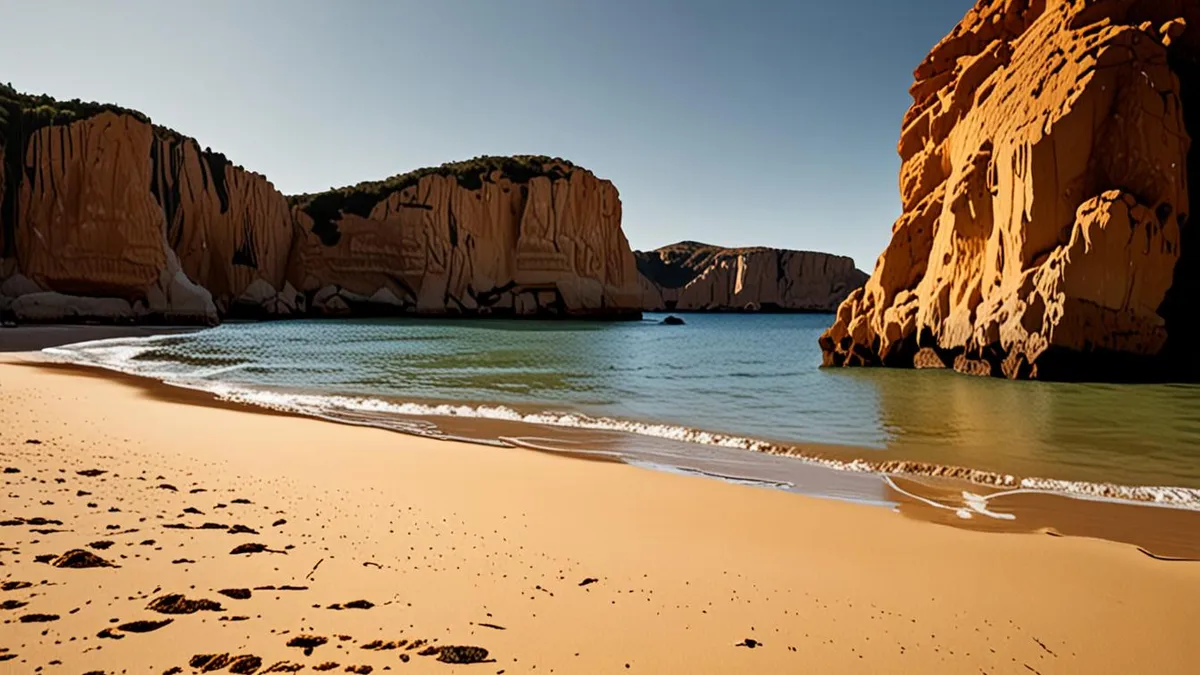
If your goal is warm weather without peak prices, the shoulder season is where the Algarve quietly shines. Late September and early October are arguably the sweet spot of the whole year: the sea is still around 21°C after months of summer sun, yet rates have already dropped from their August highs. You get beach-worthy afternoons, quieter restaurants and a fraction of the traffic on the coast road. Water lovers should note that spring is a different story, with sea temperatures closer to 17-20°C, so pack for pool dips rather than long ocean swims if you travel earlier in the year.
May is the other standout. Daylight stretches long, spring hiking weather is at its best on the coastal trails, and rates sit well below peak. The landscape is green, the almond and orange blossoms are done, and the towns feel local again before the summer crowds arrive. It is also a good month for day trips, since car parks at beaches and trailheads are far easier to find than in July.
- Swim in late September and early October. The sea holds its summer warmth at around 21°C, so pool and beach days remain realistic while prices have already fallen.
- Use May for active trips. Mild temperatures and long daylight make it ideal for walking the Seven Hanging Valleys Trail or cycling between coastal towns without summer heat.
- Steer clear of Easter and half-term weeks. These school holidays create mini price peaks outside summer, so shifting your stay by even a week on either side can save you a noticeable amount.
The trick is to anchor your trip around these value weeks and treat the school-holiday clusters as dates to avoid rather than defaults to accept. Check the local school calendar for your target year before you commit, because the exact weeks shift slightly from one year to the next. If your dates are firm and land on a holiday week, expect to pay closer to high-season rates and book earlier rather than later.
Winter Stays: The Cheapest Way to Rent an Algarve Villa
If your travel dates are flexible and you care more about value than swimming weather, winter is when the Algarve villa market works in your favor. From November to March, owners often accept rates far below what they charge in midsummer, and the longer your stay, the more room there is to negotiate. This is the season when a two-week or month-long stay stops being a luxury and starts being genuinely affordable. It is also worth remembering that last-minute discounts tend to appear in low season, not in the busy summer months, so patience can pay off if you are booking a winter trip.
Winter in the Algarve is not beach weather, but it is far from gloomy. Days are typically mild enough for coastal walks along the cliffs, long rounds of golf on courses that are busy and pricey in summer, and unhurried exploring of towns like Lagos, Faro and Tavira. Sea temperatures are actually at their warmest from August through October, so even in autumn the water can still be pleasant for a swim. Many remote workers and retirees now spend entire winter months here, using a villa as a comfortable base with space to spread out.
Ask About Monthly Rates
Here is the tactic most renters miss: many owners price long winter lets well below their standard weekly rates. A villa that looks expensive on a weekly basis can be a bargain if you commit to a month. When you contact an owner or agency for a winter stay, always ask whether a monthly rate applies, and check what utilities are included, since some long lets charge electricity and heating separately. Ask about minimum stay requirements too, as these vary from property to property.
Choosing the Right Area for Your Budget
Where you stay in the Algarve matters almost as much as when you go. The resort-heavy enclaves of the central coast command premium prices year-round, while other towns offer similar beaches, food and sunshine for noticeably less.
Lagos, Tavira and the western coast generally cost less than Vilamoura, Quinta do Lago and Vale do Lobo, yet they deliver plenty of charm. Lagos has a historic center and dramatic coastline, Tavira offers a quieter, more Portuguese atmosphere, and the western Algarve brings wilder scenery and smaller crowds. If a golf-course address or a designer resort vibe is not essential to you, these areas stretch your budget considerably further.
You can also save by moving slightly inland. Hillside villages a short drive from the coast undercut seafront positions, often giving you more space and a pool for the same money. The trade-off is a drive to the beach, which many renters find a fair exchange outside high season.
- Distance to water: Within the same town, walking distance to a beach or marina is the single biggest price driver, so a villa ten minutes’ drive from the shore can cost far less than one on the front line.
- Resort infrastructure: Areas built around marinas, golf resorts and gated communities carry overheads that show up in rental rates, while ordinary residential neighborhoods pass those savings on to you.
- Local character: Towns with year-round resident populations, such as Tavira, tend to have more reasonably priced villas than purpose-built resort zones that cater mainly to summer visitors.
Timing Tactics: Flexibility, Deposits and Rate Watching
Once you know roughly when and where you want to stay, a few timing tactics can shave a surprising amount off your final rate. None of them require insider knowledge, just a little flexibility and patience.
The simplest lever is your start date. Shifting a stay by even one week out of peak August can cut the rate substantially, because demand drops sharply once school holidays end. The weather difference between mid-August and early September is usually minor, but the price difference is not.
Play With Changeover Dates
Many villas operate on fixed Saturday-to-Saturday changeovers in summer, but not all do. Compare Saturday-to-Saturday bookings against midweek changeover dates, since flexible changeovers often price lower. Owners like midweek gaps because they fill the calendar between the popular Saturday slots, and some pass that preference on as a discount. If your flights allow it, a Tuesday or Thursday arrival can quietly save you money.
Watch Rates Before You Commit
Finally, track rates for a few weeks before booking. Save your preferred villas on the platforms you use, check the prices for your dates regularly, and note any movement. A price drop on your dates is a signal to commit, because it often means the owner is trying to fill a gap. Waiting a little longer in the hope of a further cut can backfire, so treat a visible discount as your cue to book rather than the start of another round of watching.
Wrapping Up Your Algarve Villa Booking Plan
Villa rates in the Algarve vary enormously depending on when you travel and how far ahead you book, so many travelers end up paying more than they need to simply because they picked the wrong week or left it too late. The fix comes down to a simple plan: book summer stays 6-9 months ahead to secure the widest choice, target May or late September for savings of 30-50% compared to August, and use winter for the deepest discounts of all. Where you stay matters just as much as when, so value areas like Lagos or Tavira deserve a close look before you commit to a pricier resort town.
Flexibility ties it all together. Shifting your dates by even a week, staying open on changeover days, and watching rates for a few weeks before you commit can all keep costs down. If you have your own Algarve villa tips or questions about timing your stay, leave a comment below or share this article with a fellow traveler.