Planning your first night outdoors usually comes down to one question: do you want a real bed under canvas, or are you happy with a sleeping bag on the ground? The glamping vs camping debate trips up a lot of first-time travelers, because both promise fresh air and starry skies but deliver very different experiences. One hands you a made-up bed and a warm shower; the other hands you a tent bag and a set of instructions.
This guide breaks the choice down into the parts that actually matter. We compare the two side by side, look at what each stay includes and demands, run the numbers on cost, and cover booking windows, distances from cities and which travel style each option suits. By the end, you should know exactly which type of stay fits your budget, your comfort level and your first trip outdoors.
Glamping vs Camping: The Core Differences at a Glance
The simplest way to understand the difference is to look at what waits for you when you arrive. With glamping, someone else has done the work. You walk into a ready tent or cabin with a real bed, heating or cooling for cold nights and hot afternoons, and access to a private bathroom or a clean, nearby facility. There is nothing to pitch, nothing to inflate and nothing to pack back into the car at the end.
What camping asks of you
Traditional camping flips that arrangement. You bring every piece of gear yourself, from the tent and sleeping bags to the stove and cooler, and you pitch, manage and pack it all. That is part of the appeal for many travelers, but it is also the part that catches first-timers off guard, especially when the weather turns or a tent pole goes missing.
Ultimately, each option makes a trade. Glamping trades flexibility for comfort: you get a fixed, well-equipped setup but less freedom to change plans or rough it. Camping trades comfort for freedom and a lower cost, letting you move between sites and travel light on your wallet, as long as you accept the extra work. Neither is better; they simply suit different first trips.
What Glamping Actually Includes
Glamping covers a wide range of stays, but most fall into a handful of familiar shapes: safari tents, treehouses, cabins and geodesic domes. Whatever the structure, the usual setup sleeps 2-4 guests, which makes these stays a natural fit for couples or a small family. If you want a sense of how one of these stays works in practice, this glamping review from a lakeside site in the French Alps gives a good picture of what to expect.
The core amenities are consistent across most sites: proper beds with real linens, lighting you can actually read by, and either an en-suite bathroom or a shared washroom a short walk away. Some units add a small kitchen or kitchenette, so you can cook simple meals without bringing any gear of your own.
Beyond the basics, many sites layer on extras that push the experience closer to a boutique hotel than a campsite. Common add-ons include:
- Breakfast service, often delivered to your tent or served at a central lodge, so mornings require no cooking or cleanup.
- Private terraces or decks with chairs and sometimes a fire pit, giving you your own outdoor space rather than a shared pitch.
- Hot tubs or wood-fired saunas, usually bookable per unit, which turn an evening into a proper wind-down after a day of walking.
- Guided activities such as canoe trips, foraging walks or stargazing sessions organized by the site, handy if you would rather not plan your own entertainment.
None of these extras are guaranteed at every property, so it pays to read the unit description carefully before booking and check exactly which amenities are included in your rate.
What Traditional Camping Demands From You
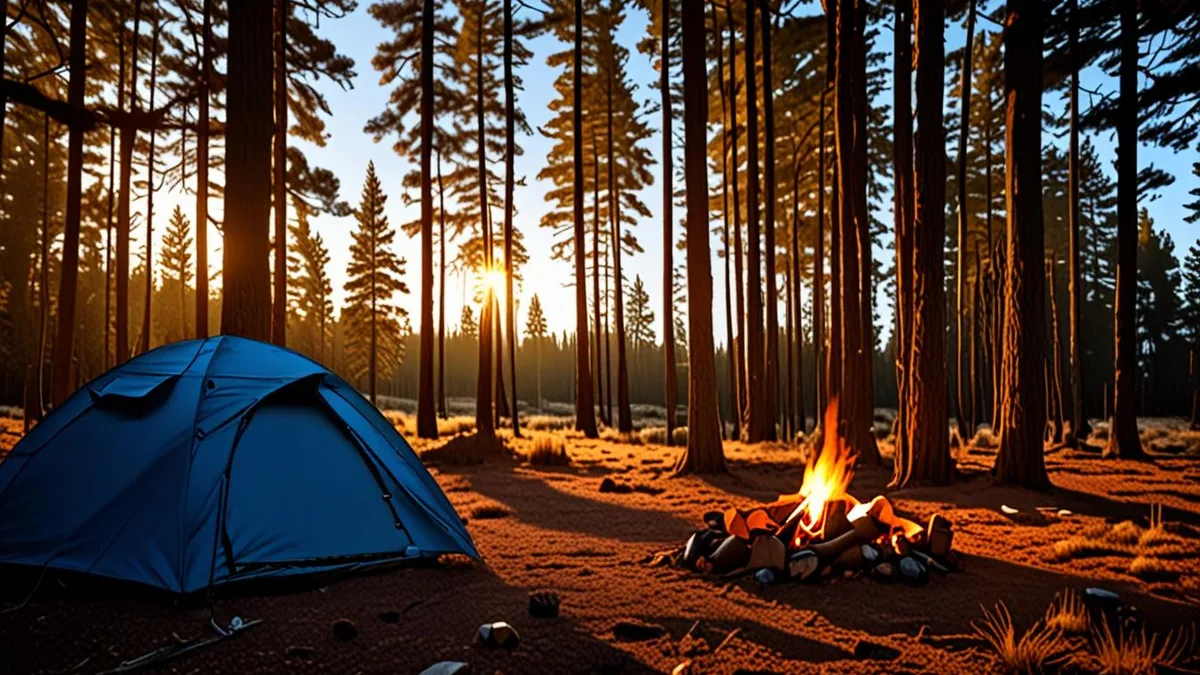
Traditional camping puts the responsibility squarely on you, starting with the gear list. For a first trip you will need a tent, sleeping bags, sleeping mats, a cooler and a basic cooking setup, plus a lantern and a few smaller items. If buying everything feels like too much for one weekend, many outdoor shops and some campgrounds rent tents and kits, which is a sensible way to test whether you enjoy camping before investing.
Comfort and daily logistics
Even with the right equipment, expect a different standard of comfort than any hotel. Washroom blocks are usually shared, showers may involve a walk across the site, and your tent’s temperature follows the weather rather than a thermostat. Meals are self-managed too: you plan them, pack the food, cook on your own stove or fire and wash up at the campsite sink.
Skills matter more on a first camping trip than most beginners expect. Practice pitching your tent at home before you leave, learn basic fire safety if your site allows open flames, and pack light enough that carrying everything from car to pitch is a one-trip job. A little preparation turns those demands into part of the fun; skipping them is what turns a first camping weekend into a cautionary tale.
Cost Comparison for a First Outdoor Stay
Money is where the gap between these two options becomes impossible to ignore. Glamping typically costs $150-400 per night, which puts it closer to a mid-range hotel than to a campsite. You are paying for the bed, the linens, the private bathroom access and the fact that someone else handled every bit of set-up before you arrived.
Basic campsites usually cost $20-60 per night, so the nightly rate looks like a bargain. The catch sits in your garage: unless you already own equipment, a first camping trip requires a real investment before you even leave home. That upfront spending is easy to underestimate when you are comparing nightly rates on a booking site.
For two people, the math gets sobering fast. One glamping weekend can easily equal the cost of several camping trips once you spread gear purchases across multiple outings. If you plan to spend time outdoors regularly, camping pays off over time; if this is a one-off experiment, glamping may actually be the cheaper way to try it.
- Hidden camping costs: fuel for a longer drive, ice for the cooler, firewood bundles and campsite reservation fees can quietly add $30-80 to a weekend.
- Glamping extras to watch: some sites charge separately for breakfast, hot tub use or activities like guided hikes, so read what the nightly rate includes before booking.
- Gear resale option: quality tents and sleeping bags hold value reasonably well, so you can resell equipment if camping turns out not to be your thing.
- Shoulder-season savings: both options tend to drop prices outside peak weekends, which softens the glamping bill more than the camping one.
When and How to Book Your Stay
Timing matters more for glamping than for camping, simply because there are far fewer units available. A popular glamping site might have a handful of safari tents or domes, so summer weekends sell out early. For peak season, which runs May to September at most European and North American sites, book 2-6 months ahead if you have your heart set on specific dates.
Campsites are far more forgiving. Many can be booked just 1-4 weeks ahead, and some operate on a first-come, first-served basis where you simply show up and claim a pitch. That flexibility is a real advantage if your schedule is unpredictable, though it does mean risking a full campground on busy holiday weekends.
Using the shoulder season to your advantage
If your dates are flexible, aim for May, June or September. These shoulder-season weeks cut prices and crowding for both options, and the weather is often pleasant enough for a first outdoor stay. You will find more availability, calmer hosts and quieter trails, which makes the whole experience easier to enjoy.
Whatever you choose, check the cancellation policy before paying. Glamping sites often have stricter terms than traditional campgrounds, and weather-related changes are not always refunded. A flexible rate is usually worth a small premium on your first trip.
Choosing by Location and Travel Style
Location shapes the whole character of your first outdoor stay. Glamping sites cluster 30-90 minutes from cities, which makes them ideal for a first short trip, or even a car-free escape if the site sits near a train or bus line. You can finish work on a Friday and be sipping wine on your private terrace before dark.
Remote campsites are a different animal. They can sit 2+ hours from towns, and that isolation is exactly the point for travelers who want silence, dark skies and direct hiking access from their tent. The trade-off is planning: you need to arrive with full fuel, full food supplies and no expectation of popping out for a forgotten item.
Matching the stay to your group
Think honestly about who is coming. Comfort-focused couples are usually happiest glamping, where a proper bed and an en-suite bathroom turn the trip into a romantic break rather than a test of endurance. If you want a feel for what that looks like in practice, this review of a tented camp in Ko Yao Noi, Thailand gives a detailed picture of a real glamping stay.
Flexible groups of 4-6 people tend to suit camping better. Standard tent pitches often allow 4-6 guests, so the group can share a site, split gear duties and keep costs low. Glamping units usually sleep 2-4 guests, which means larger groups end up booking multiple units and losing the price advantage entirely.
The Bottom Line for Your First Night Outdoors
So which one suits your first night outdoors? If you want a real bed, heating or cooling, and someone else handling the set-up, glamping is the comfortable pick — just budget roughly $150-400 per night. If you’re happy bringing your own gear, sharing washroom blocks and adapting to the weather, traditional camping delivers freedom and lower nightly costs, usually $20-60 per night.
Let practical details make the final call: book glamping well ahead for summer weekends, consider quieter shoulder-season dates, and think about how far you want to travel from the city. Pick the option that fits how you actually like to travel — there’s no wrong answer for a first trip. If this helped you decide, leave a comment or share the article with a friend planning their first outdoor stay.