A glowing review average tells you a hotel is good, but it can’t tell you whether your specific room will let you sleep. You can book a well-reviewed property and still end up wide awake at 2 a.m. if your room faces the street, sits beside the elevator or looks straight at the rooftop bar. Finding a hotel room away from noise is less about luck and more about knowing what to ask for before you arrive.
This guide walks you through the whole process. We’ll explain why a room’s location inside the building decides how well you sleep, how to read the hotel layout to spot quiet rooms before booking, and how to use reviews and map apps to catch noise problems early. You’ll also learn how to pick a calm neighborhood, when to send a quiet-room request so the front desk actually honors it, and what to do if your room still turns out noisy. A few minutes of planning can save you several nights of broken sleep.
Why Hotel Room Location Decides How Well You Sleep
Most travelers judge a hotel by its lobby and its photos, but the real test happens at night, behind one particular door. Where that door sits in the building matters more than almost anything else, and the difference between a good and bad placement can be dramatic.
The street-facing problem
Rooms that look onto the street absorb everything the city throws at them: buses rumbling past, scooters accelerating, late-night crowds leaving bars, and delivery trucks idling at dawn for the morning drop-off. Courtyard-facing rooms, by comparison, are typically 5-10 decibels quieter. That may not sound like much on paper, but decibels are logarithmic, so a drop of that size can be the difference between tossing all night and sleeping straight through.
Mechanical hum and foot traffic
Even a room with a lovely view can be a poor sleeper if it sits beside the machinery. Rooms next to elevators hear the cable hum, the ding of each arrival and the shuffle of guests waiting for a car at midnight. Ice machines add their own grinding cycle, and both run all night. Housekeeping closets and vending zones nearby create similar low-level disturbance through the walls.
Floor level matters too. Low floors near the lobby, the bar or an entertainment venue carry the most late-evening sound, because sound travels up through the structure and because those spaces stay active long after most guests have gone to bed. If nightlife sits at street level, aim for a room at least 2 floors above it.
How to Spot a Quiet Room in the Hotel Layout Before You Book
The good news is that most hotels have both quiet rooms and noisy rooms, and you can influence which one you get long before check-in. It starts with understanding how the building is laid out and making a few specific requests when you book. A star rating tells you about amenities and service levels, but it says little about where your room actually sits, so it helps to read what hotel star ratings really mean before you book and then layer these placement tactics on top.
Start by studying the room categories and, if the hotel’s website or booking photos show a property map, the building shape. Then use the checklist below when you contact the hotel.
- Corner rooms: these share fewer walls with neighbors, which reduces noise transfer from both sides. Ask for one by name rather than hoping the front desk figures it out.
- Top-floor rooms: a room on the highest floor avoids overhead foot traffic and the rolling of luggage across your ceiling, one of the most common late-night complaints.
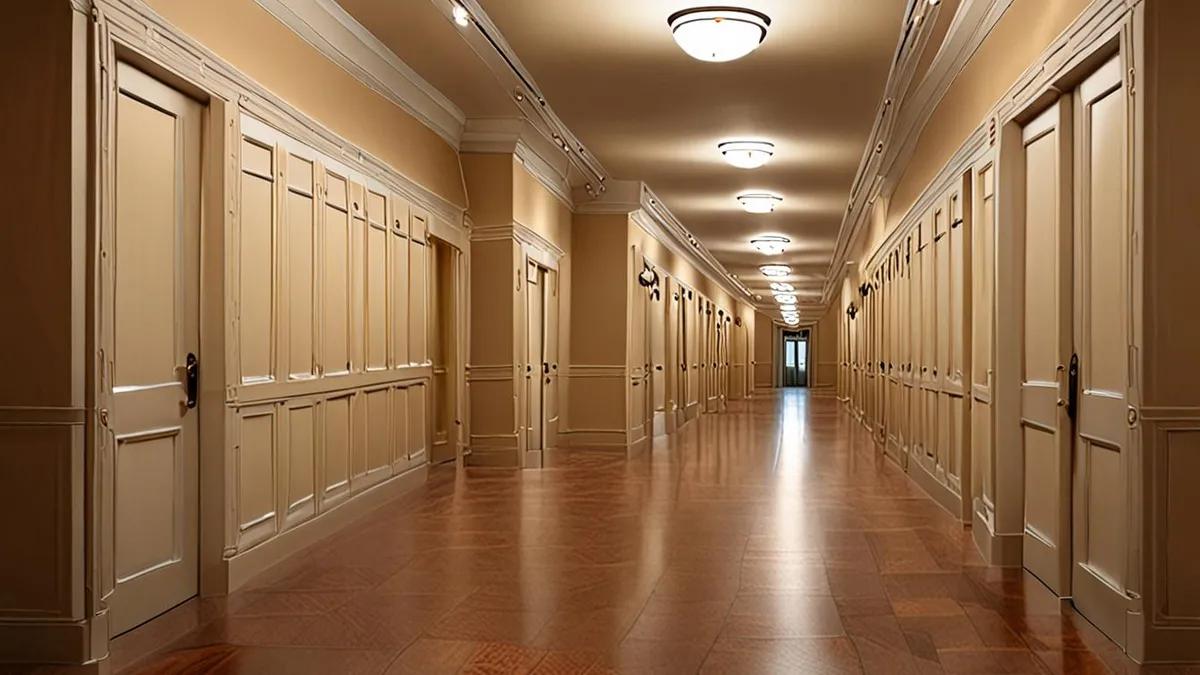
- Distance from machinery: request a room more than 3 doors from elevators and ice machines; rooms beyond that distance are noticeably quieter, since sound fades quickly along a corridor.
- Service areas: mention housekeeping closets and vending zones specifically. Rooms near service areas are common noise sources, and staff can easily move you a few doors down if you flag it in advance.
Finally, when you’re booking a city-center property, be direct about orientation. Ask specifically for a courtyard or rear-facing room. Front-facing rooms in downtown hotels usually trade a view for traffic and nightlife noise, while rear and courtyard rooms trade the view for quiet. For a good night’s sleep, that’s usually a trade worth making.
Using Reviews and Maps to Find a Hotel Room Away From Noise
Reviews are where real guests tell you what the hotel’s marketing won’t, and they’re your best early-warning system for noise. But you need to read them strategically, not just skim the overall score.
Mine the review text for noise keywords
Instead of reading only the five-star summaries, search the review section for words like “noisy”, “thin walls” or “street noise”. Pay attention when reviewers name specific rooms, floors or wings, because those mentions tell you exactly which parts of the building to avoid and, just as usefully, which ones they’d recommend. If you want a fuller method, it helps to learn how to read hotel reviews and spot red flags early, since noise complaints often hide in otherwise positive write-ups.
Check the surroundings on a map app
Before you commit, drop the hotel’s location into a map app and look at what surrounds it. Nearby bars, a train line or a main road a few meters away will matter far more at midnight than they do on a booking photo. Satellite view also shows you whether the “courtyard” is a genuine quiet space or a loading zone.
One more filter matters: recency. Sort or read reviews from the last 6-12 months, because noise levels change fast. A renovation next door, a new venue opening across the street or a lobby bar that was recently added can transform a previously quiet hotel into a loud one, and older reviews won’t reflect it. Reviewers who stayed recently will also tell you whether the front desk actually honors quiet-room requests, which is a useful signal before you send one of your own.
Choosing a Calm Neighborhood and Building Type
Where you stay matters almost as much as which room you pick. A hotel on the main nightlife strip puts you right in the path of bar crowds, music spilling out of doorways and taxis idling until the early hours. Walk just a few blocks into the residential side streets and the same city often feels like a different place. You trade a two-minute stroll to the action for a night of actual sleep, which for most travelers is a bargain worth making.
Think about building size and layout
Smaller boutique properties and homestays tend to have fewer corridors, fewer shared walls and far less foot traffic than large resort blocks. In a big hotel, hundreds of guests rolling suitcases down long hallways can keep you awake even in a well-built room. In a ten-room guesthouse, the corridor outside your door might see a handful of people a night. If you are unsure where to start, reading a guide on how to pick the right hotel neighborhood can help you match the area to the kind of stay you want.
Waterfront and plaza locations deserve special caution. Rooms overlooking a promenade or square absorb evening crowd noise, street performers and outdoor dining chatter well past dinner. Properties set back a street or two from the water still give you easy access to the views and restaurants, but without the constant hum of the crowd. When comparing hotels on a booking site, zoom in on the map and check whether the building fronts directly onto the busiest pedestrian space or sits quietly behind it.
Timing Your Booking and Quiet-Room Request
A quiet room is rarely handed out by chance. Hotels assign rooms in waves, and the travelers who ask early and clearly are the ones who end up on the top floor facing the courtyard. Treat your quiet-room request as part of the booking process, not an afterthought you mention at the front desk with your luggage at your feet. The good news is that it only takes a few minutes of planning, and the payoff is real: courtyard-facing rooms are typically 5-10 decibels quieter than street-facing ones, a difference you notice the moment you close your eyes. The steps below fit into the same time it takes to confirm your flight details.
- Send a written request 24-48 hours before check-in. Email the hotel or use the booking platform’s message feature, stating that you would like a quiet room away from elevators, ice machines and service areas. A written request reaches the front desk team before your arrival, giving them time to flag your reservation and assign a suitable room in advance. This window matters because quiet rooms are limited, and requests that arrive too close to check-in often find the best positions already spoken for.
- Book early in peak season. Upper-floor and courtyard rooms are limited in number, and they are the first to sell out when the city is busy. Reserving several weeks or months ahead gives you the full choice of room positions rather than whatever is left.
- Reconfirm at check-in. When you arrive, mention your request again and ask whether a quiet room is available before you accept the key. If the assigned room faces the street or sits beside the elevator, this is your moment to ask for a swap while alternatives still exist.
Front desk staff handle hundreds of arrivals, so a polite, specific and early request is far more likely to be honored than a vague hope. Put the request in writing, follow up in person, and keep your tone friendly rather than demanding. Ten minutes of effort before your trip can decide how you sleep for every night of your stay, and it costs nothing but a short email.
Backup Tactics If Your Room Still Turns Out Noisy
Even careful planners occasionally end up in a room that hums, rattles or echoes. Maybe a tour group checks in at midnight, or the room you were promised has been given away. Do not simply endure it and grumble in the review later. Hotels can usually fix noise problems on the spot, and a few items in your luggage cover the situations they cannot.
The most effective move is to act the same evening. Front desks have far more flexibility at 9 p.m., when rooms are still free, than at 7 the next morning when check-out chaos begins. Be specific when you ask: say the room sits beside the elevator or above the bar, rather than just saying it is noisy. A concrete reason helps staff identify a genuinely better room instead of offering you an equally loud one down the hall.
- Foam earplugs: A pair costs almost nothing, weighs nothing and blocks the steady drone of air conditioning or a neighboring snorer that a room change cannot fix. Pack several pairs so a lost one never matters.
- A white-noise app: Download one before your trip and it can mask sudden hallway sounds or street traffic. Running it from your phone with a portable speaker, or even under a pillow, works well in rooms with thin walls.
- Closed curtains and bathroom door: Heavy curtains add a layer of insulation against street-facing windows, and shutting the bathroom door buffers noise traveling through internal plumbing and vents. It is a small habit that noticeably dampens sound in older buildings.
None of these tactics replaces picking well in the first place, but together they turn a bad night into a manageable one. Keep them as a standing part of your travel kit and noise stops being a trip-ruiner.
The Takeaway on Booking a Quiet Hotel Stay
A great review score can’t save you from a room above the bar or beside the elevator. For a quiet night, the star rating matters less than the details of your specific room: its placement in the building, the floor level and the distance from elevators and ice machines decide whether you sleep or lie awake counting delivery trucks. A courtyard room several doors from the elevator will beat a fancier street-facing one almost every time.
The good news is that most noise problems can be prevented before you even arrive. Checking recent reviews, a map app and the neighborhood type filters out the worst candidates, and a written quiet-room request sent 24-48 hours before check-in gives the front desk time to assign you well. If a surprise still slips through, simple backup tactics cover the rest. Have you ever booked a “perfect” hotel and still lost a night’s sleep? Share your story in the comments or pass this article along to a fellow traveler.