Most travelers have experienced it at least once: you book a “deluxe” room expecting something special, then arrive to find a cramped space with a view of the parking lot. The problem is that room names mean almost nothing on their own. A deluxe room at one hotel can be smaller than a standard room at the hotel next door, and the label tells you nothing about the bed setup, the floor or what you will actually see from the window.
The solution is to compare hotel room types before you pay, using the details that actually matter. In this guide, we look at why room categories deserve a closer look, how to read square meters and bed setups, what views and floor levels change, when suites or connecting rooms make sense, how price gaps add up over a stay, and when to book to lock in the room type you want. A few minutes of checking can be the difference between a room that fits your trip and one that disappoints.
Why Comparing Hotel Room Types Matters Before You Book
Room names like deluxe, superior and executive sound reassuring, but they are not standardized across the industry. One hotel’s superior room may be its entry-level category, while another property uses the same word for its second-tier offering. Without checking the actual details, a category name reveals little more than a marketing choice made by the hotel.
The price gap inside a single hotel
The differences are not just cosmetic. Within the same property, two rooms can differ by 30 to 50 square meters in size, and the larger one can cost double. That is a significant amount of money for space you may never use, especially if you plan to spend your days out exploring rather than in the room.
On the other hand, paying for a bigger category can be money well spent when the extra space or view genuinely fits your trip. A couple working remotely for a week may need that desk and sofa, while a traveler passing through for one night may not notice the difference at all.
What to compare before you book
The practical move is simple: before choosing a category, open the room details and compare the square meters, bed size, view and floor options across categories. This takes only a few minutes and prevents the most common booking regrets, like paying a premium for a view you never planned to enjoy or a living area you will not have time to sit in.
Comparing categories also helps you spot the sweet spot. Often the mid-level room offers most of the space and comfort of the top category at a noticeably lower rate, and you only find that by looking at the details side by side.
Room Size and Bed Setup: What the Square Meters Tell You
Room size is the most concrete detail you can check, and it is usually listed in square meters on the booking page. Standard city hotel rooms run 20 to 30 square meters, which is generally enough for a queen bed, a small desk and luggage space. Anything smaller can start to feel tight for two people with suitcases, while anything larger gives you room to move around without rearranging furniture.
Bed setup is closely tied to size. King beds usually require rooms of 25 square meters or more, so if a listing shows a king bed in a smaller room, double-check the layout or the actual bed dimensions. In some cases, a “king” turns out to be a large queen, or the bed fills so much of the room that there is little space left for anything else.
Twin and double rooms in the same category can also have very different floor plans at the same price. Two rooms listed under the same name may sit in different parts of the building, with one long and narrow and the other more square. If the layout matters to you, look at the floor plan or photos rather than relying on the category name alone.
- Check the bed dimensions, not just the bed name. A “double” in some countries means a bed closer to a large single, so look for the actual width in centimeters if the hotel lists it.
- Count the furniture in the photos. If you need a desk, a luggage rack or a chair for reading, confirm each one appears in photos of the exact category you are booking, not just the hotel’s best room.
- Look at where the bed sits in the room. A bed pushed against the wall works fine for couples but can be awkward for two friends sharing a twin setup, so check how the beds are arranged.
- Watch for rooms where the bathroom eats the floor plan. Some rooms in the same size range lose usable space to a large bathroom, so a photo of the bathroom tells you where the square meters went.
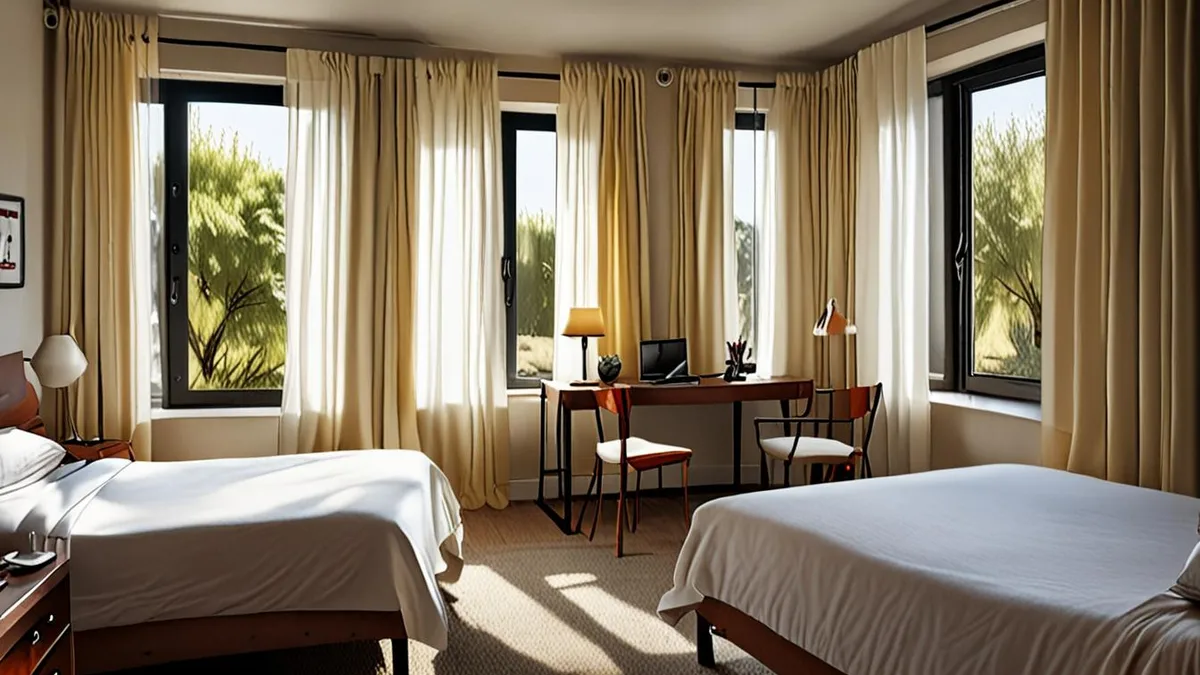
Views, Floors and Location Within the Hotel
Where a room sits in the building changes both the experience and the price. Rooms on higher floors usually add 5 to 15 percent to the nightly rate, and in exchange you typically get better views and less street noise. Whether that premium is worth it depends on your trip: in a city with a skyline worth looking at, a high floor can be a highlight of the stay, while in a destination where you barely open the curtains, it may be money better spent elsewhere.
Higher floors also tend to be quieter because they sit above traffic and street-level activity, which matters if you are a light sleeper. That said, a high floor does not fix everything, since a room can be high up and still face a noisy courtyard or a rooftop with equipment.
The corner room advantage
Corner rooms are often the best value in a hotel. They can offer 20 to 30 percent more windows than mid-row rooms, which brings in more natural light and makes the space feel larger even when the floor area is similar. Many travelers find that a corner room one category down feels better than a standard mid-row room, so it is worth asking about them or looking for them in the layout.
Rooms to avoid when the layout is shown
If the booking page shows a property map or floor plan, use it. Rooms next to elevators hear the ding and the foot traffic all day, rooms near service areas and housekeeping closets get early-morning trolley noise, and rooms facing rooftops can look straight at air conditioning units and vents. None of these details appear in the room name, so the layout is often the only place you will spot them.
When no map is available, a short message to the hotel after booking asking for a quiet room away from the elevator usually costs nothing and improves your odds considerably.
Suites, Connecting Rooms and Family Layouts
The word “suite” covers a lot of ground. In most hotels, a suite is simply a room with a separate living area, and that extra space usually comes at a price: suites often cost 50 to 150 percent more than a standard room in the same property. Whether that premium makes sense depends on how you travel. If you plan to work, host friends or spend evenings in the room, a separate living area changes the experience. If you only sleep and shower there, it may be money spent on square meters you never use.
Families face a different challenge. Connecting rooms, where two rooms share an internal door, are limited in almost every hotel and often make up fewer than 5 percent of total inventory. Hotels cannot promise them, but early requests have a far better chance of being honored. Before you assume a suite is the only option, check the details of mid-range categories, because many can comfortably fit a family.
- Sofa beds and day beds: Many standard and superior rooms list a sofa bed or day bed in the room details, which can sleep one or two children and save the cost of moving up a category.
- Occupancy limits: Check the maximum guest count for each room type, since some hotels charge per extra person even when a bed is already in the room.
- Bed configurations: Some hotels offer a family setup with a double bed plus single beds on request, which is often listed in the room description rather than the category name.
- Reviews from other families: Reading how recent guests describe the actual layout and noise levels helps, and knowing how to read hotel reviews and spot red flags early makes those comments far more useful.
How Price Differences Between Room Types Add Up
Room type upgrades look small per night but grow quickly over a stay. A 20 dollar nightly upgrade sounds minor until you multiply it by 7 nights, which comes to 140 dollars total. Before booking a higher category, do this simple math: take the price gap per night, multiply it by your number of nights, and ask whether that total would buy something you value more, like an extra night elsewhere on your trip.
Percentage premiums work the same way. A higher-floor room or a better view typically comes with a percentage bump on the base rate, and the longer you stay, the more that bump compounds. On a two-night city break, the difference may be a rounding error. On a two-week beach stay, it can rival the cost of a full extra night, so long stays deserve a closer look at whether the premium room will genuinely be used.
Check what the upgrade actually includes
Higher categories sometimes bundle extras that you would otherwise pay for separately, such as breakfast, lounge access or afternoon drinks. If you would buy breakfast anyway, a room that includes it can effectively shrink the price gap. Compare the total cost of a standard room plus paid extras against the higher category, and check the fine print on what is genuinely included rather than advertised. Timing also matters, because the gap between categories can widen as availability tightens, which is why it helps to understand when to book hotels for lower prices in peak season before you commit to an upgrade.
When to Book to Get the Room Type You Want
Getting the exact room type you want is mostly a matter of timing and follow-through. The category you see available today may not be there next week, especially for bed setups and layouts that exist in small numbers. Hotels hold limited inventory in each category, and the most appealing configurations, whether that is a king bed, a corner position or a connecting pair, tend to disappear first once other travelers start booking for the same dates. A simple sequence keeps you in control of the process from the first search to the final confirmation.
- Search 2 to 3 months before your trip. Booking room types this far ahead gives you the widest choice of categories and bed setups, so you can compare options instead of settling for what is left.
- Shortlist two or three room types. Note the size, bed setup and price gap for each, so you can decide quickly if your first choice sells out.
- Book the category that fits, not the cheapest one. A lower rate on a room you will not enjoy is rarely a bargain once you are there.
- Send special requests right after booking. High floors, connecting rooms or specific views should be requested in writing, ideally through the booking platform and directly with the hotel, so there is a record.
- Reconfirm close to arrival. A short message a few days before check-in reminds the hotel of your request and gives them time to allocate rooms.
Keep in mind that availability of specific room types can drop 30 to 50 percent within two weeks of arrival, so the earlier you lock in your category and confirm requests, the better your odds. This is especially true for family layouts and connecting rooms, which hotels keep in very small numbers and cannot conjure up at the front desk on the day you check in. Even with careful planning, treat requests as requests rather than promises, since allocation often depends on what the housekeeping and front office teams can physically prepare that day. Have a fallback category in mind before you travel, and know which compromise you would accept, such as a lower floor instead of a view, so a change at check-in does not derail your stay.
Choosing the Right Room Type With Confidence
Most check-in surprises come from booking a room by name alone. Deluxe, superior and executive mean different things at every hotel, so the labels reveal little until you compare what actually matters: square meters, bed setup, view and the price gap between categories. A few minutes with the room details usually shows whether a higher category genuinely fits your stay or whether the standard room covers everything you need.
Timing plays a role too. If you reserve your room type early, roughly 2 to 3 months before your trip, you will have the widest range of categories and bed setups to pick from, while peak season availability can shrink quickly in the final weeks before arrival. Once you have booked, confirm any special requests in writing. A short check of the details before paying prevents most surprises at check-in. If this helped you compare room types on your next trip, leave a comment or share the article with a fellow traveler.