Booking a beach resort should be simple, but the water sports at beach resorts often come with a catch: some activities are included in your rate, while others quietly add up on your final bill. Many travelers only discover this at check-in, when the kayak is free but the jet ski quote makes them wince.
This guide walks through what resorts typically include at no charge, which activities almost always cost extra, and how your meal plan changes what you can use for free. We also cover the fine print worth checking before you book, destinations where conditions suit water sports year-round, and a realistic budget for paid extras so an active week by the sea doesn’t surprise you at checkout.
Water Sports at Beach Resorts: What’s Usually Included
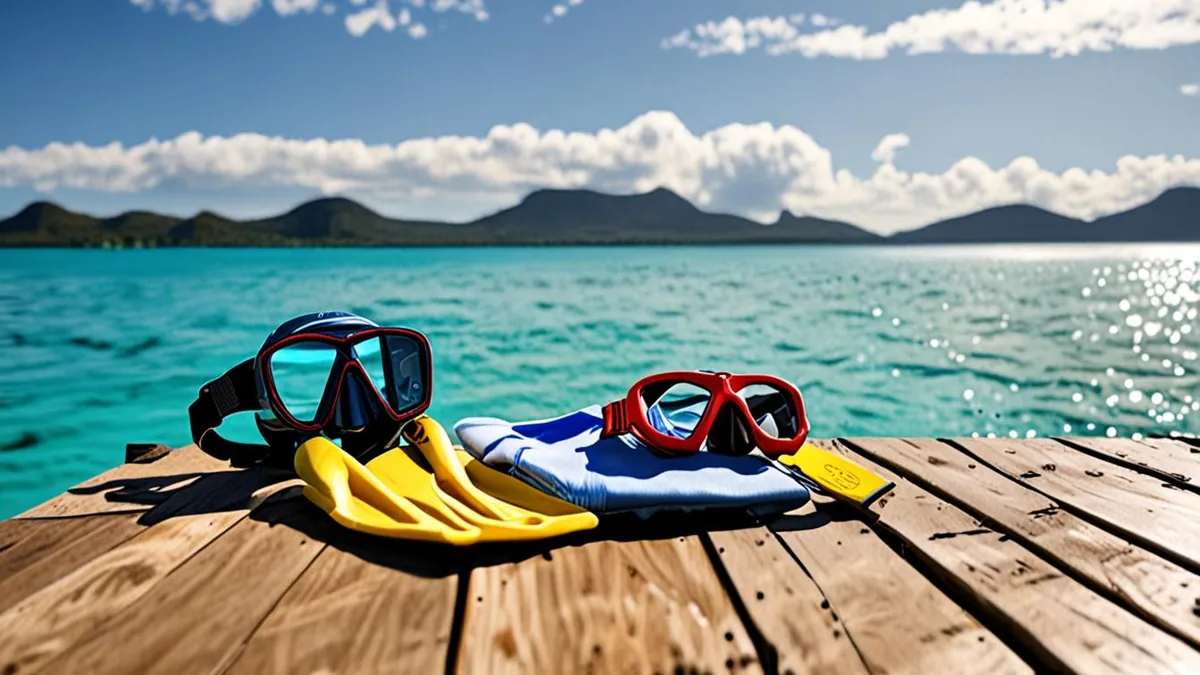
The good news for anyone booking a beach holiday is that the most popular non-motorised activities are typically free at all-inclusive resorts and at many full-service properties. That usually means kayaks, paddleboards, snorkelling gear and pedal boats are yours to use without opening your wallet, at least during the day.
Larger resorts often go further and add Hobie Cat sailing, windsurfing and boogie boards to the complimentary lineup. These properties usually have a dedicated water sports center with staff on hand to help you rig a sail or pick the right paddleboard for your size and experience.
How your rate affects what’s free
All-inclusive packages cover the widest range of activities, since the equipment is bundled into your nightly rate. Half-board and room-only guests usually face a different picture: everything beyond the pool often carries a rental fee, even for a basic kayak or mask and fins.
How the free equipment works in practice
Complimentary equipment is generally first-come, first-served, with daytime time slots running roughly 9am to 5pm. Popular items like paddleboards can be claimed quickly on busy mornings, so heading down early or signing up at the activities desk pays off. Many resorts also require a short safety briefing or swim test before handing over gear, which takes a few minutes but keeps everyone safer on the water.
Activities That Almost Always Cost Extra
Some activities sit outside the complimentary lineup at nearly every resort, no matter how much you paid for your room. Motorised sports are the clearest example: jet skiing, parasailing and water skiing typically run $40-$120 per session, and your board basis makes no difference to the price.
Scuba diving follows a similar pattern. An introductory dive, sometimes called a resort course or discovery dive, usually costs $80-$150, while a full open-water certification course ranges from $400-$600. Even guests on all-inclusive plans pay these rates in most cases, though a few resorts bundle one taster dive into the package.
Boat-based outings are another common surprise. Guided snorkel trips and sunset cruises typically cost $30-$70 per person, even at all-inclusive resorts where the snorkel gear itself was free. Private instruction is the last big add-on, often $50-$100 per hour for windsurfing or sailing, even when group use of the same equipment costs nothing.
- Jet ski sessions are usually time-limited: the quoted price typically covers 15-30 minutes on the machine, not an open-ended rental, so ask how long you get before you commit.
- Parasailing is priced per flight, not per hour: most operators charge for a single flight of roughly 10-15 minutes in the air, sometimes with a discount if a second person rides along.
- Certification courses take several days: the $400-$600 open-water course usually involves classroom time, pool sessions and multiple sea dives, so plan it around the rest of your itinerary.
- Boat trips often include extras: guided snorkel excursions and sunset cruises frequently bundle drinks, snacks or a second stop, which is why prices vary within that $30-$70 range.
How All-Inclusive vs Half-Board Changes Your Water Sports Access
Your meal plan does more than decide where you eat; it often decides what you can do on the water without reaching for your wallet. All-inclusive resorts typically bundle non-motorised equipment into the nightly rate, so kayaks, paddleboards and snorkel gear sit ready at the beach hut with no extra paperwork. Keep in mind that most properties limit complimentary use to daytime hours, roughly 9am-5pm, and many ask guests to complete a short safety briefing or swim test before handing over equipment.
What half-board guests should expect
Half-board guests usually pay per activity, and those charges can stack up faster than most people expect. Daily kayaking sessions, a snorkel boat trip and one motorised sport can quietly rival the cost of an extra night’s stay by the end of the week. That doesn’t make half-board the wrong choice, but it does mean the sticker price on the room understates what an active week will really cost.
Compare the activity list, not just the price
The smartest move is to compare the activity list, not just the meal plan, when weighing the two board bases for an active holiday. A cheaper half-board rate can look less attractive once you add up equipment rentals, while a higher all-inclusive rate may already cover everything you planned to do. If you’re torn between the two, our guide to all-inclusive vs half-board resorts breaks down how the plans compare beyond the dining table. Whichever way you lean, ask the resort for its exact list of included activities before you book, since definitions of “non-motorised sports included” vary widely between properties.
Checking the Fine Print Before You Book
A resort’s water sports list can look generous on paper, but the details behind it make a real difference to your holiday. Two properties can advertise the same activities and deliver very different experiences once you arrive, simply because one includes tuition and supervision while the other hands you a paddleboard and wishes you luck. Before you commit to a booking, it pays to ask a few specific questions and get the answers in writing. Here’s how to work through the fine print.
- Clarify what “free non-motorised sports” actually covers. Some resorts include the kayak or paddleboard itself but charge for instruction, so a beginner who wants a quick lesson may face an hourly fee. Ask whether the rate covers equipment only, equipment plus a group briefing, or proper tuition.
- Check the rules for teenagers. Many properties ask younger guests to complete a safety induction or demonstrate basic swimming ability before they can take out kayaks, sailboats or snorkel gear, and minimum age limits vary widely between resorts. If you’re traveling with teens, confirm these requirements in advance so nobody arrives expecting to sail on day one and ends up waiting. It’s worth reading up on how to pick a resort that keeps teenagers happy before you book.
- Find out who runs the scuba operation. Some resorts have their own on-site dive center with pricing integrated into the activities desk, while others bring in a third-party operator with a separate price list and booking system. This affects both cost and convenience, so ask upfront.
- Ask about booking lead times. Dive slots and boat trips often fill days ahead in high season, so a walk-up approach may leave you disappointed. Find out how far in advance you need to sign up and whether you can reserve before arrival.
Ten minutes of emails or a phone call before booking can save you a week of frustration. Ask specifically about supervision levels, whether equipment use is limited to certain hours of the day, and what happens if weather cancels a session you’ve paid for. Get the answers in writing where possible, especially on age limits and what’s genuinely included, so there are no surprises at the activities desk.
Where Conditions Suit Water Sports Year-Round
Not every beach resort can offer the same water sports program, and a big part of that comes down to water temperature and season. A resort’s brochure will happily list kayaks, windsurfers and dive centers, but whether you can actually use them depends heavily on when you travel and where.
Warm-water destinations like the Maldives and Seychelles offer the widest year-round water sports programs. The lagoons stay swimmable month after month, so complimentary paddleboards, snorkel gear and sailing boats stay in rotation nearly all year. If water sports are the main reason for your trip, these destinations give you the most predictable conditions.
Seasonal destinations need more planning
Mediterranean resorts work differently. On Greek islands such as Rhodes, the complimentary water sports programs generally run between May and October, when the sea is warm enough and the weather cooperates. Outside that window, expect a much reduced lineup, sometimes little more than the indoor pool. Before booking an out-of-season trip, it helps to read up on Rhodes resorts near historic coastlines to see what each property offers at different times of year.
Cooler-climate destinations play a different game entirely. Resorts around Loch Lomond, for example, focus on kayaking and sailing rather than anything reef-based, since there’s no coral to snorkel over. That’s not a downside if flat-water paddling is what you enjoy, but it’s worth knowing before you pack a mask and fins.
The practical takeaway is simple: match the destination’s season to the sports you actually want. Off-season programs shrink dramatically, so if windsurfing or diving is your priority, travel when the water is warm and the full program is running.
Budgeting for Water Sports on Top of Your Room Rate
Even at an all-inclusive resort, the water sports budget doesn’t necessarily end with your room rate. Complimentary kayaks and snorkel gear cover a lot, but the activities most guests get excited about tend to sit outside the package. Planning for that in advance keeps the final bill from being an unpleasant surprise.
How much to set aside
The easiest way to build a realistic cushion is to list the paid extras you actually want before you travel. A guided snorkel boat trip or two, an introductory scuba dive, and one motorised sport such as jet skiing is a typical mix for an active week. If you’re planning a full open-water certification course instead of a taster session, you’ll need a bigger budget, so price that separately with the dive center before you book anything else. Families should multiply accordingly, which is another reason to agree on priorities before departure rather than at the activities desk.
Timing your bookings
Book dive courses and boat excursions early in your stay rather than leaving them until the end. Weather cancellations happen, and booking on day one or two leaves time to reschedule if a trip gets called off. Leave everything until your final day and one windy afternoon can wipe out your plans entirely.
It’s equally important to ask at check-in which complimentary sessions need daily sign-up. Limited slots for paddleboards, sailing boats or group lessons often fill quickly, and guests who assume everything is walk-up frequently miss out. A five-minute conversation at the front desk on arrival day tells you exactly what needs reserving and when the sign-up sheet opens.
With a realistic budget and early bookings, the paid extras become highlights rather than financial shocks. You’ll spend your week on the water instead of doing mental arithmetic at the activities desk.
The Bottom Line on Resort Water Sports
So which water sports come free at a beach resort, and which will quietly inflate your bill? The short answer: kayaks, paddleboards and snorkel gear are usually included, while motorised sports, scuba and boat trips cost extra. Jet skiing and parasailing, for example, often run $40-$120 per session, and guided snorkel boat trips typically add $30-$70 per person, whatever board basis you have booked.
How much of the program you actually get depends on your board basis, the destination’s season and the fine print around equipment access and sign-ups. If you plan to pay for extras, budgeting $150-$400 per person for the week covers most active holidays at a beach resort. Have a question or a resort tip of your own? Leave a comment or share this article with a fellow traveler.