Greece vs Portugal resorts is a comparison most beach travelers eventually face, and the mistake almost everyone makes is judging it on price alone. Two similar-looking nightly rates can hide completely different holidays: one may include all your meals on a warm Aegean island, while the other leaves you free to explore seafood tavernas along golden Algarve cliffs. The right choice depends on when you travel, what kind of coastline you want and how you prefer to eat and stay.
This guide works through the decisions that actually matter. We compare the seasons and sea temperatures, the character of the Greek islands against the Algarve, what your budget really buys in each country, and which board options suit which travelers. We also look at matching resorts to families, couples and culture seekers, plus practical booking tactics for the best rate. By the end, you should know exactly which country fits your dates and your style.
Greece vs Portugal Resorts: Which Season Suits Your Dates
Timing is the single biggest factor in the Greece vs Portugal resorts decision, because the two coastlines warm up at different speeds. The Greek islands deliver reliable swimming from late May to October, with the sea at its warmest in August and September at around 24-26°C. That late-season warmth is the Aegean’s ace: while most of the Mediterranean starts cooling, Greek water stays genuinely inviting well into autumn.
The Algarve plays a different game. Thanks to over 300 sunny days a year, usable beach weather starts earlier, from April, which makes southern Portugal a strong pick for spring breaks and early-summer trips when the Greek season hasn’t fully kicked in. The trade-off is water temperature: the Atlantic never matches the Aegean, even at the height of summer.
When the calendar decides for you
Both destinations peak in July and August, when resort rates hit their highest. If you can shift your trip to May, June, September or early October, you can typically save 20-30% on rates for the same rooms, with fewer crowds as a bonus. If your trip is fixed to school summer holidays, both countries work well and you should choose on setting and stay style instead. But if your dates are flexible, Greece’s September sea warmth edges out the Atlantic, giving you peak sunshine with near-peak swimming.
Coastline Character: Greek Islands vs Algarve Cliffs
Coastline character is where the two countries genuinely diverge, and it’s often the tiebreaker in the Greece vs Portugal resorts debate. Greece offers hundreds of islands, so you’re really choosing between several different holidays: Cycladic whitewash villages above pale sand, the greener, lusher Ionian coast, or the historic Dodecanese islands where beaches sit alongside layers of ancient history. Each island group has its own feel, which is part of the appeal and part of the planning work.
Greece: variety island by island
Rhodes is the standout example of how much an island can pack in. Beach resorts sit within short drives of a medieval walled old town and major ancient sites, so you can swim in the morning and wander crusader-era streets after lunch. If that blend of sand and history sounds like your kind of trip, this guide to Rhodes resorts near historic coastlines breaks down where to base yourself.
The Algarve: one coast, easy to compare
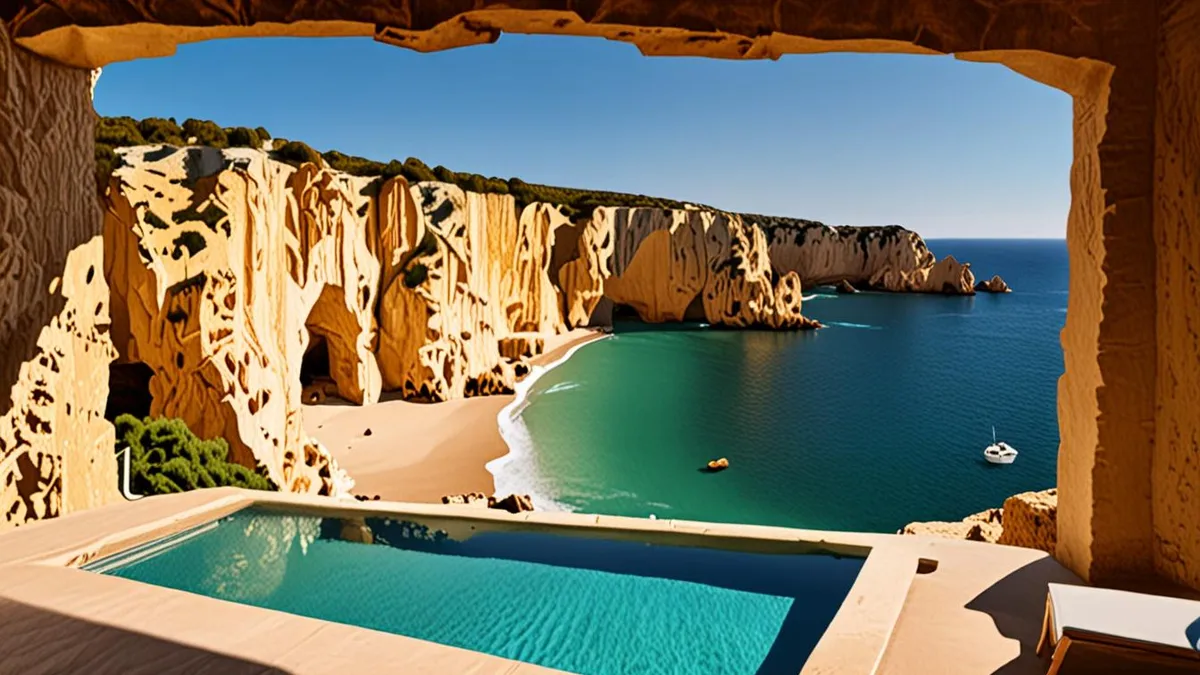
Portugal’s Algarve is the opposite approach: a single compact coastline of golden limestone cliffs, sea caves and sheltered coves, all reachable within a modest drive. That makes resort-hopping and comparing options far simpler than weighing up island ferries or domestic flights. The one caveat for swimmers: Portugal’s Atlantic water runs cooler than the Aegean even in summer, which matters if long swims and warm-water lounging are your priority rather than dramatic scenery.
What Your Budget Gets in Each Country
Budget comparisons between Greece and Portugal are closer than most travelers expect. Mid-range resort rooms in both countries typically cost €120-250 per night, with luxury suites from €300-500, so the headline rates rarely decide the winner. What differs is how predictable your total spend is once you’re on the ground, and that comes down to the board structure each market favors.
Greece’s all-inclusive market is deeper, which means food and drink costs are much easier to cap on a Greek island holiday. Once you’ve paid, your daily spending drops to excursions and extras. Algarve resorts lean toward half-board and self-catering, which suits travelers who want to eat out in town, sample Portuguese seafood and keep evenings flexible, but it does mean restaurant bills sit outside your accommodation budget.
- Board type changes the real price: an all-inclusive Greek rate that looks higher upfront may cost less overall than a cheaper Algarve room plus a week of dinners and drinks.
- Self-catering shifts spending off-resort: Algarve apartments and villas let families cook breakfast and lunch, then splurge on one good restaurant meal a day.
- Compare like for like: when weighing options, check whether the quoted rate includes meals, resort facilities and transfers before judging which country is cheaper.
One useful trick is to price the same trip style in both countries before comparing. If you know you want everything included, shortlist Greek all-inclusive resorts; if you want evenings out, price Algarve half-board plus a realistic restaurant budget for the week. Writing down that estimated extra spend next to each nightly rate makes the true cost of each option obvious at a glance.
If you’re also weighing long-haul island destinations, it helps to see how the same comparison logic works at a higher price point — Maldives vs Seychelles Resorts: How to Pick Your Island breaks that choice down in the same way.
Board Options: All-Inclusive Greece or Flexible Algarve
Greek resorts have built much of their appeal around the all-inclusive model, and it shows in how widely it is offered across the islands. For families, this is hard to beat: meals, snacks, soft drinks and often local wine are covered, so nobody has to make a decision about where or what to eat for a week. On smaller islands where tavernas may be a drive away, having everything on site is genuinely convenient.
How Portugal structures its deals
Portuguese resorts, including the large properties along the Algarve, more often price rooms as half-board or room-only, with self-catering apartments a common option too. This suits travelers who want to head into town for grilled sardines or a long seafood dinner and treat the resort as a base rather than a bubble. The trade-off is that your food budget is less predictable than with a Greek all-inclusive package.
If your plans involve day trips, boat excursions or evenings in tavernas, half-board in either country keeps you free at lunch without locking you into every meal. Before you compare nightly rates, match the board plan to your trip style, because the all-inclusive premium changes the maths entirely. Our guide to choosing between all-inclusive and half-board resorts breaks this down in more detail.
Matching the Resort to Your Travel Group
The right resort depends less on the country and more on who is coming with you. Families with teenagers often get more out of the Algarve, where compact resorts sit close to surf schools, boat trips and coves you can walk to without a car. Teens who have outgrown kids’ clubs can wander between the beach and town, which keeps the whole family happier. Parents of younger children, meanwhile, tend to appreciate the shorter transfer from Faro airport, since a long second leg after a flight is the fastest way to test everyone’s patience.
Couples and culture-focused travelers usually find more variety in Greece. Beach mornings can pair with island-hopping, archaeological sites and whitewashed villages, so no two days look the same. The Algarve is beautiful but a single coastline, while Greece lets you build an itinerary rather than repeat one. If you are traveling as a group of friends, Greece also gives you more choice of vibe, from lively party islands to quiet harbors where the biggest evening decision is which taverna to pick.
- Single-estate convenience: Larger Algarve resorts near Porches pack extensive spas, multiple pools and leisure facilities onto one gated estate, so you rarely need to leave the property.
- Transfer logistics: UK flights reach the Algarve in roughly 3 hours, versus 3.5-4.5 hours to major Greek islands, which matters when you are traveling with young children.
- Island-hopping potential: In Greece, a ferry or short flight can add a second island to the same trip, something a single-coastline destination simply cannot offer.
When and How to Book for the Best Rate
Getting a good rate at a Greek or Portuguese resort is less about luck and more about timing your booking correctly. The two countries reward different strategies depending on when you want to travel, so it pays to plan your approach before you start comparing prices. A traveler who books a July week in Crete on instinct will usually pay more than one who simply marked a calendar reminder months earlier. The same logic applies on the Algarve, where demand for the same room category can swing sharply between weeks. Here is a simple sequence that works for both destinations.
- Book early for peak summer. For July and August stays in either country, aim to book 4-6 months ahead. That locks in both the price and your pick of room categories, since the best-value rooms and sea-view suites sell out first.
- Target the shoulder months for flexibility. Rooms in May, June, September and early October can often be booked closer to travel at a meaningful discount to peak rates, so you can afford to wait a little before committing.
- Compare total cost, not headline rates. Resort fees, local tourist taxes, parking and extras differ between Greek and Portuguese properties, so a cheap nightly rate can quietly become an expensive stay once meals and transfers are added.
- Set rate alerts for your shortlist. Track two or three properties and recheck prices before the free-cancellation window closes, so you can rebook if the rate drops.
Whichever route you take, keep your shortlist narrow and act decisively when a fair price appears. Resorts in both countries rarely drop rates dramatically at the last minute in peak season, so the biggest savings come from choosing the right booking window rather than waiting for a bargain that may never arrive. Decide your dates first, then let the timing do the work.
The Bottom Line: Choosing Between Greece and Portugal
So which one wins? If your heart is set on swimming in genuinely warm water outside the peak crowds, Greece takes it: the Aegean reaches around 24-26°C in late summer, all-inclusive deals are easier to find, and the sheer variety of islands means no two trips need look the same. Portugal answers with a longer season starting around April, shorter flights of roughly 3 hours from the UK, and a compact Algarve coastline that makes comparing resorts refreshingly simple.
The honest answer is that your dates, your board preference and who you travel with decide the winner, not any ranking. Book 4-6 months ahead for July and August, or aim for the shoulder months of May, June, September and early October to save 20-30% on the same rooms. Wherever you land, you are choosing between two of Europe’s finest beach destinations. Let us know in the comments which one you would pick, or share this article with a travel companion who is still deciding.