There are few travel disappointments worse than arriving at your villa, opening the gate, and realizing the private pool in the photos is a plunge pond, or that the air conditioning everyone counted on was never included in the price. Listing photos can hide what really matters, and by the time you spot the gap, you are standing in the driveway with your luggage and no easy way back.
The good news is that most of these problems can be spotted before you pay. This guide shows you how to check villa amenities properly: how to read past the glossy photos, what to look for in the listing itself, which questions to ask the host or agency, and how to use reviews and written confirmations to protect your booking. Whether you are traveling with family, a group of friends, or working remotely, a little checking upfront saves a lot of frustration later.
Why Listing Photos Don’t Always Match the Villa You Get
Every villa photo has a best moment, and that is usually when it was taken. Listings are often photographed right after a renovation or at the start of a season, and many images date from 1 to 3 years before the current season. Furniture gets replaced, paint fades, plants grow or die, and a pool that looked sparkling in the photo may look tired in person.
Wide-angle lenses make things worse. A terrace that fills the frame can be barely big enough for two chairs, and a pool that seems to stretch across the garden may be a compact plunge pool. Rooms photographed with a wide lens can look twice their actual size, which matters a lot when you are fitting six people and their luggage into three bedrooms.
Available versus included
Amenity lists add another layer of confusion. A villa may list a pool heater, air conditioning, or a BBQ as available, which can simply mean the equipment exists on site and costs extra to use. Included means it is part of the price you pay. The difference between those two words can add a meaningful amount to your final bill, so it pays to read the fine print before booking rather than discovering it on arrival.
How to Check Villa Amenities in the Listing Itself
The icons at the top of a listing are marketing, not information. Platforms highlight the amenities that get the most clicks, and the full amenity list further down the page is where the honest details live. Read all of it, including the sections written in small text, because that is where you find out what actually comes with the villa. It also helps to understand what the price covers before you commit, so it is worth reading up on what villa rental costs really include before you book.
The pool deserves special attention. If the listing says heated, check whether heating is included or an optional extra, and look for the listed depth, which is typically between 1 and 2.5 meters. That depth matters if children will be swimming or if anyone in your group wants to dive or swim laps properly.
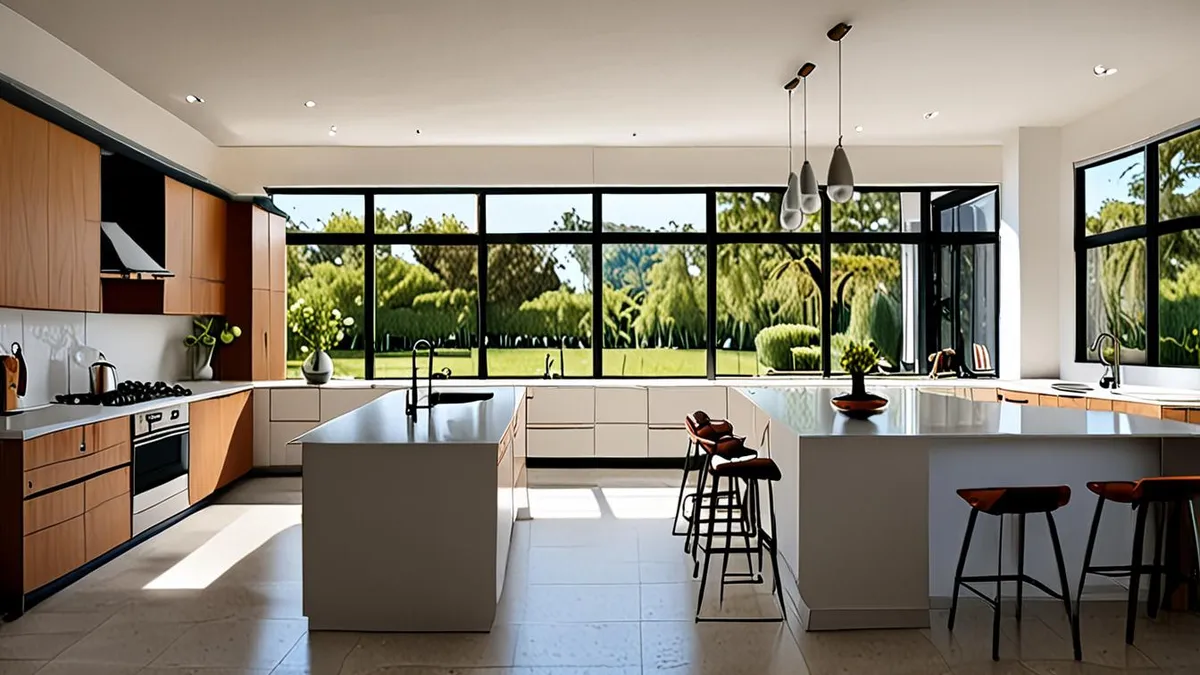
Kitchens are the other common trap. A villa that looks perfect for self-catering may only offer a hob and fridge, with no full oven, which changes what you can realistically cook for a week.
- Bed configurations: Ask whether the bedrooms have one large bed or two singles pushed together, since the two are not always equivalent for couples.
- Sofa beds: Check whether the stated guest capacity includes sofa beds in the living room, because a villa that sleeps eight may only have proper beds for six.
- Bathroom count: Confirm how many bathrooms exist and whether any are en suite, since one bathroom for eight guests gets old fast.
Questions to Ask the Host or Agency Before Paying
Once the listing has answered what it can, the host or agency fills in the rest. A simple, polite message before you pay is one of the most effective tools you have, because written answers become something you can point to later if anything does not match.
Start by asking for recent photos of the pool, kitchen and bedrooms taken within the last season. Most hosts can do this easily, and a reluctance to send anything current is itself useful information. While you are at it, ask directly whether air conditioning is included in the price or charged separately, because in Mediterranean villas it is often an extra at 10 to 25 euros per day, which adds up quickly over a two-week stay.
Wi-Fi is the other question worth pressing on. Villa connections range widely, from around 10 to 100 Mbps depending on the property, and a listing that simply says Wi-Fi tells you nothing about whether you can stream or work. If you are planning a stay in a popular region, timing also affects your budget, so check when to book a villa in the Algarve for lower rates before locking anything in.
- Maintenance visits: Ask who maintains the pool and garden during your stay and how often they come, so you know whether to expect a cleaner twice a week or a gardener arriving unannounced.
- Pool heating costs: If heating is optional, ask what it costs to switch on and how long it takes to warm up, since some systems need a day or more.
- Check-in logistics: Confirm whether someone meets you at the villa or you collect a key from a lockbox, which matters if you arrive late at night.
Amenities That Matter Most for Families and Groups
Traveling with young children changes which villa amenities really matter. A listing that looks perfect for a couple may fall short for a family, so it pays to check a few specifics before you pay. Start by confirming that a cot and highchair are actually available, and ask whether they are provided free or rented locally. Some hosts keep only one of each, which is a problem if you are traveling with two toddlers.
Pool safety is the next priority. If the listing mentions a private pool, ask whether it can be fenced or secured, especially if your children are not strong swimmers. Also look for shaded outdoor space: a terrace with a pergola, umbrellas or covered dining area makes a big difference when the midday sun is intense and naps need to happen outside.
What groups and remote workers should check
For groups, the math is simple: count bathrooms, sun loungers and dining seats against your party size. A villa that sleeps ten with two bathrooms creates morning queues, and six loungers around the pool means someone always misses out. Ask the host directly whether the dining table seats everyone at once or whether you will eat in shifts.
Remote workers have a different checklist. A stable connection matters more than a pretty view, so prioritize villas advertising Wi-Fi over 50 Mbps and a dedicated desk area rather than a corner of the sofa. If the listing only shows a laptop balanced on a garden chair, ask for a photo of the actual workspace before you commit.
Reading Reviews to Verify What the Listing Promises
Reviews are your best defense against a listing that overpromises. Instead of skimming the overall score, search the review text for the specific amenities you care about. Type “pool,” “air conditioning” or “Wi-Fi” into the review search box on booking platforms and read what past guests actually experienced, not just what the host claims.
Pay attention to when each review was written. A villa can be lovely in May and uncomfortable in August, so give more weight to reviews from the same season you plan to travel. A guest who visited in peak summer will tell you whether the air conditioning copes and whether the pool area gets crowded, while an off-season review may say very little about those things.
Spotting patterns in complaints
One mention of a weak shower or a noisy neighbor is an anecdote. Three reviews raising the same issue is a pattern, and patterns are usually accurate. If several guests mention that the Wi-Fi drops every evening or that the “heated” pool was cold, take those reports seriously and raise them with the host before booking.
Also read how the host responds to negative reviews. A thoughtful, specific reply suggests problems get fixed; a defensive or copied-and-pasted answer suggests they do not. Reviews from repeat guests are another good sign, since people rarely return to a villa that did not match its listing.
Getting Amenity Confirmations in Writing Before Arrival
Once you have asked the right questions, the final step is locking the answers down in writing. Verbal assurances on a messaging app are helpful in the moment, but they are easy to lose track of as your travel date approaches and conversations pile up. A clear written record, on the other hand, is what protects you if something is missing when you arrive at the villa. The good news is that the process takes only a few minutes. It is best done in the final stretch before your trip, when there is still enough time to fix a problem or change plans if an answer is not what you expected.
- Request written confirmation 2 to 4 weeks before arrival. Email the host or agency and ask them to confirm your key amenities by message: pool heating, air conditioning terms, bed configurations and anything else that shaped your booking. This timing gives you room to act if the answer changes, rather than discovering a surprise after you have already paid in full.
- Keep screenshots of everything. Save the full listing page, the amenity list and any promises made in chat. If a dispute arises at check-in, screenshots with visible dates are far more persuasive than your memory of the booking page. Store them somewhere you can reach offline, since remote villas sometimes have weak connections exactly when you need them.
- Read the cancellation terms now, not later. Before the final payment date, check whether a missing amenity gives you a route to renegotiate a partial refund or cancel without losing the full amount. Knowing your options in advance makes the conversation much easier if something goes wrong, because you can point to specific terms rather than arguing from frustration.
Hosts and agencies are far more careful with promises once they know you have them in writing, and most respond quickly to a polite summary email. Most villas deliver exactly what was advertised, and a short paper trail simply ensures that yours is one of them. If a host hesitates to confirm details that were clearly listed when you booked, treat that as useful information before your final payment, not after it.
Booking a Villa With Confidence
Arriving at a villa to find the promised pool unheated, the air conditioning mysteriously absent or the space nothing like the photos is one of the most frustrating ways to start a holiday. The good news is that this disappointment is largely avoidable with a little groundwork before you pay.
Checking villa amenities comes down to three habits: reading the full listing rather than the highlighted icons, questioning the host directly, and verifying promises through reviews from travelers like you. Written confirmations 2 to 4 weeks before arrival give you real protection if anything differs on check-in, and a short checklist before paying saves disappointment and wasted money later. Do that, and you can book your next villa with far more confidence. If this guide helped you plan a trip, feel free to leave a comment or share it with a fellow traveler.