If you have ever compared two lodges and seen prices that differ by three or four times, you know how confusing planning a lodge trip can be. The same region, the same star rating, yet completely different numbers. The truth is that lodge stay cost swings wildly with season, location and room type, which leaves many travelers guessing how much money to actually set aside.
This guide breaks the guesswork down. We will look at what drives lodge pricing, the typical price ranges at each tier, and how season and timing shift the numbers. You will also find the hidden costs that often catch people off guard, practical budget planning tips before you book, and advice on choosing destinations that match what you want to spend. By the end, you will be able to put together a realistic total for your stay instead of discovering surprise fees at check-in.
What Determines Lodge Stay Cost?
Location is the single biggest factor behind what a lodge charges. A lodge sitting at the gateway to a famous national park or on the slopes of an alpine resort can charge several times what a similar property in quiet rural countryside asks. You are paying for convenience and scenery, and lodges know it. If your itinerary allows, staying a short drive outside the park boundary or resort village often brings rates down noticeably while keeping the views.
Room type and what is bundled in
Room type matters just as much as the address. A standard double room typically costs 40–60% less than a cabin or suite with a kitchenette, even within the same lodge. Families and groups should weigh this carefully: sometimes one larger unit is cheaper per person than booking two standard rooms, and a kitchenette lets you cut food costs too.
Seasonality then moves the whole scale up or down. Winter ski lodges hit their peak when the snow arrives, and lakeside lodges do the same during the summer season, so the same room can carry very different price tags depending on the month you visit.
Finally, look at what is baked into the nightly rate. Amenities like a hot tub, half-board meals or an airport shuttle all cost the lodge money, and that cost appears in the room price. A higher rate with meals and transfers included can represent better real value than a cheaper room where everything is billed separately.
Typical Lodge Price Ranges by Tier
Lodge pricing falls into fairly predictable tiers once you know what to look for. At the bottom end, budget lodges typically cost $80–150 per night for a basic room. These are usually self-catering properties with shared or minimal facilities, and they work well for travelers who spend their days outdoors and only need a clean bed at night. Hiking groups, road-trippers and backpackers get the most out of this tier, especially when the lodge sits close to trails or scenic drives rather than town centers.
Mid-range lodges usually run $150–300 per night, and this is where most travelers land. At this level you typically get breakfast included, a better location closer to the main sights, and more comfortable rooms with en-suite bathrooms. Premium resort-style lodges often exceed $400 per night, adding spas, fine dining and prime scenery right outside your window. Some also include airport transfers or guided outings, which is why the sticker price deserves a closer look before you rule it out.
- Check what the budget rate excludes: at the lowest tier, towels, daily housekeeping or on-site dining may be limited or unavailable, so factor in small extras like buying supplies for breakfast.
- Look at mid-range inclusions as money saved: a daily breakfast for a family can easily replace a paid café stop, which narrows the gap with cheaper properties that include nothing.
- Compare per-person costs at the top tier: premium lodges often bundle activities or spa access into the rate, which can offset part of the higher nightly price.
- Price family cabins as a group: a multi-room unit or cabin with a kitchen frequently costs less per person than two separate standard rooms, and gives you shared living space in the bargain.
The tier system is a starting point, not a rule. The same lodge may offer several room categories at very different prices, so compare within a property as well as between them. A modest room in a premium lodge can sometimes deliver the best view for a mid-range budget, while a poorly located budget property may cost you more in transport than you saved on the room. Read recent guest reviews to confirm what each tier actually delivers before you book.
How Season and Timing Affect Lodge Rates
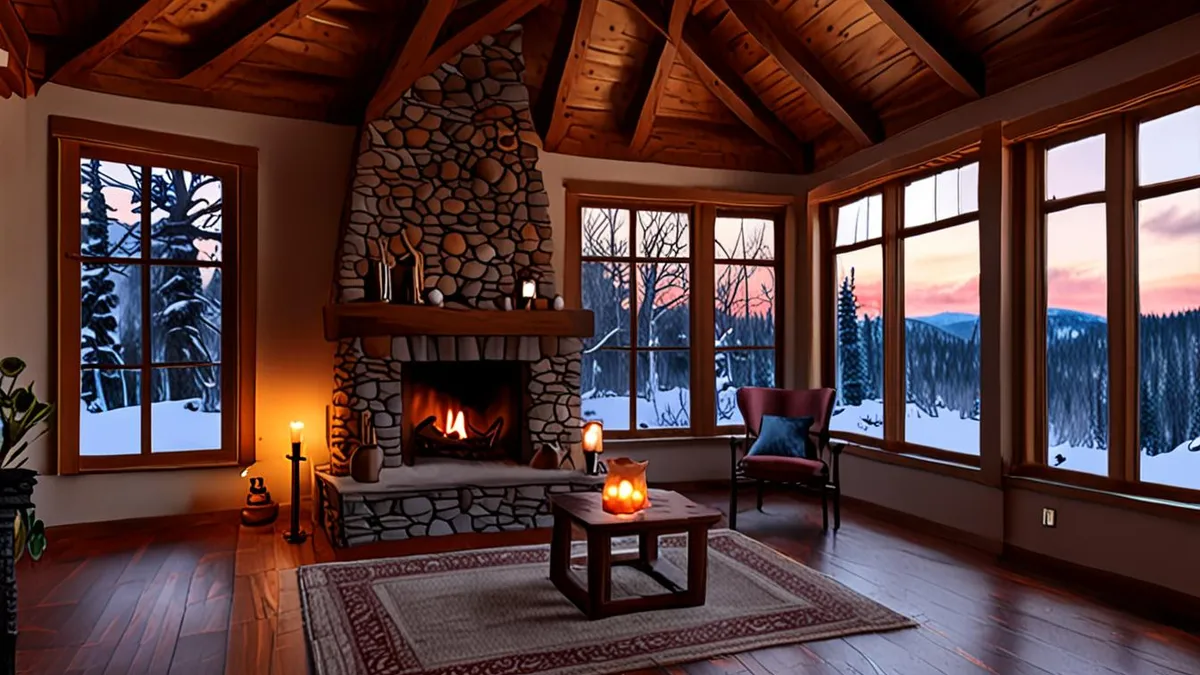
Timing can change your lodge bill more than almost any other decision. At winter and ski lodges, December–February is peak season, and rates can run 30–50% above shoulder months for the very same room. If a snowy escape is the whole point of your trip, a guide to winter lodges for snowy escapes can help you pick a destination before you fix your dates. If you just want mountain scenery, shifting your stay to late April–May or October often gets you near-peak views at the lowest prices of the year.
Midweek stays and booking windows
The day of the week matters too. Midweek nights from Monday to Thursday are commonly 15–25% cheaper than Friday and Saturday stays, when weekend travelers push demand up. Shifting a two-night weekend break to start on a Sunday or Monday can trim a meaningful amount off the total without changing your plans much.
Booking lead time is the other lever. Reserving 3–6 months ahead typically locks in better rates than leaving it until the last minute, especially at popular lodges where rooms genuinely do sell out in high season. Last-minute deals exist, but they are unreliable at the properties everyone wants. Check current rates for your exact dates before you commit, since pricing patterns vary by destination and year.
Hidden Costs to Add to Your Lodge Budget
The nightly rate on a booking page is rarely the full story. Lodge stays come with extra charges that often catch travelers off guard, and some of them can add a meaningful chunk to your total. The most common culprit is the resort or facility fee, which many larger properties charge on top of the quoted room rate and can add $20–60 per night. That means a lodge advertising a mid-range rate may effectively cost closer to a premium one once the extras are counted.
Food is the other big one, especially at lodges in remote areas. If the nearest town is an hour away and the lodge has a single dining room, you have little choice but to eat there for most meals. A reasonable planning figure is $40–80 per person per day for food, more if you plan to enjoy a few dinners with wine. Self-catering rooms with a kitchenette can cut this significantly if you stop at a grocery store on the way in.
Before you commit, go through the fine print and build these extras into your budget. The list below covers the add-ons that show up most often.
- Resort or facility fees: Ask whether the fee covers anything you would actually use, such as a pool or hot tub, since paying for amenities you skip is pure waste.
- Parking charges: Some larger lodges charge a daily rate for on-site parking, which stings most if you are on a road trip with a rental car.
- Pet fees: Traveling with a dog can add a one-time or per-night charge, and some properties restrict pets to specific room types only.
- Wi-Fi upgrades: Basic internet is often free, but faster premium connections in work-friendly rooms sometimes carry a daily surcharge.
- Lodge-booked activities: Guided hikes, kayak rentals and equipment hire arranged at the front desk usually cost more than what independent local operators charge, so price both before you book.
It is also worth being honest with yourself about affordability before the extras pile up. If the true total starts to feel like a stretch, it may be smarter to trim a night or downgrade the room type rather than finance the difference. This guide on how to avoid borrowing more than you can comfortably repay offers useful perspective on keeping travel spending within your means.
Budget Planning Tips Before You Book
A lodge stay fits into a trip, not the other way around. The travelers who regret their booking are usually the ones who fell in love with a room first and figured out the rest of the budget later. Working through a few simple steps before you pay keeps the lodge in its proper place as one part of a plan.
- Set your total trip budget first. Decide what the whole trip can realistically cost, including transport, food and activities, then cap the lodge portion at roughly 40–50% of that total. This leaves room for everything else without squeezing your daily spending once you arrive.
- Compare rates against what is included. A $250 nightly rate with breakfast and parking included can easily beat a $200 rate with neither, especially at remote lodges where alternatives are scarce. List what each rate covers before judging on price alone.
- Read the cancellation terms carefully. Flexible rates often cost 10–20% more than non-refundable ones, but that difference buys you an exit if weather, illness or a schedule change derails the trip. Check the deadline for free cancellation before you pay, not after.
- Price the same lodge across several dates. Shift your stay by two or three nights in a calendar view and see what happens. Midweek dates often cost noticeably less than Friday and Saturday nights, and the savings from moving your dates can sometimes fund an extra night entirely.
One more habit worth building: check whether the lodge charges any extras on top of the quoted rate. Facility fees, parking charges and breakfast add-ons are common, and they can quietly change which option is actually the better deal. A quick email or a look at the booking summary usually reveals them before you commit.
These steps work best when your finances are in decent shape to begin with. If you want a broader framework for stress-testing your money situation before a big commitment, this walkthrough on reviewing your financial health before buying a home translates surprisingly well to travel planning. Once the numbers hold up on paper, you can book with confidence instead of second-guessing yourself at checkout.
Choosing Destinations That Match Your Budget
Where you go shapes what you pay just as much as when you book. The same budget that barely covers a basic room at a famous alpine resort can secure a spacious cabin with a view somewhere less hyped. Choosing your destination with pricing in mind is one of the simplest ways to get more lodge for your money.
Lake and national park destinations are the most forgiving on this front. Places like Loch Lomond in Scotland or Plitvice in Croatia draw enough visitors to support a full spread of lodging, from simple budget rooms to premium lakeside properties. That variety means you can pick a tier that matches your wallet rather than settling for whatever exists, and you still wake up to the scenery you came for.
Alpine hotspots and their winter premium
Alpine destinations such as Bled in Slovenia and Innsbruck in Austria carry a well-earned reputation, but that reputation comes with a winter price tag. During the ski and holiday season, demand pushes rates well beyond what the same lodges charge in quieter months. Visiting in late spring or early autumn gets you similar mountain scenery, open hiking trails and far more comfortable rates, which stretches the same budget across better rooms or extra nights.
Flexible travelers win at scenic-road destinations
Iceland is the classic example of a destination that rewards flexibility. Its ring road and dramatic landscapes draw a huge summer crowd, and lodge rates outside the June–August rush drop noticeably. If your schedule allows a shoulder-season road trip, you get emptier roads, cheaper rooms and often better odds of catching the northern lights. Whatever destination you settle on, spend some time reading recent lodge reviews before booking. Guests who stayed last month will tell you whether the room matched the photos and whether the service justified the rate, which is information no pricing page will give you.
Wrapping Up Your Lodge Budget Plan
So how much should you budget for a lodge stay? The honest answer is that it depends on three things: location, room type and season. Most travelers will find typical rates somewhere between $80 and $400+ per night, with a basic room at a rural lodge sitting at the low end and a premium resort-style property at the top. Knowing which tier you are aiming for turns a vague guess into a real number.
Timing is where the biggest savings hide. A midweek stay often costs 15–25% less than the same nights on a weekend, and booking 3–6 months ahead usually secures the best rates at popular lodges. Just remember that the nightly rate is rarely the whole story: resort fees, meals and activities can add $20–60 per night or more, so build those into your total before you commit. If this helped you plan your trip, leave a comment or share the article with a fellow traveler.