Planning a nature escape should be exciting, yet many travelers stumble at the very first step: choosing where to stay. The lodge vs cabin question trips up more bookings than you might expect. Someone books a cozy cabin expecting restaurant meals, or reserves a lodge hoping for a private hot tub, only to discover the reality is nothing like the trip they imagined.
This guide clears up the confusion. We start by defining what actually makes a lodge a lodge and a cabin a cabin, then walk through which travelers each option suits best. You will find sections on winter lodge trips, summer cabin stays, cost and booking differences, matching your stay to the destination, and the practical questions worth asking before you pay a deposit. A short summary at the end distills everything into a quick decision. By the last paragraph, you should know exactly which stay type fits your next trip.
What Defines a Lodge vs Cabin
The two stay types sound similar on booking sites, but they serve different purposes. A lodge is a larger, staffed property built around shared spaces. Think a main building with a restaurant, a lounge with a fireplace, and a reception desk where you can ask about trail conditions. Lodges often run from 20 to more than 100 rooms, so you get the atmosphere of a small hotel in a scenic setting rather than the feeling of having the woods to yourself.
A cabin works the opposite way. It is a standalone unit, usually sleeping 2 to 8 guests, with its own entrance and private kitchen facilities. Nobody shares your living room, and nobody knocks on your door at checkout time unless you arrange it.
Services: included versus self-catered
Service is the biggest practical difference. Lodges usually include daily housekeeping and on-site dining, so you can spend a day hiking and return to a made bed and a cooked dinner. Cabins often require self-catering: you buy groceries, cook your own meals, and handle basic upkeep yourself. Some cabin rentals add optional cleaning services for a fee, but you should never assume they are included. Before booking, check exactly what the rate covers, because the same nightly price can mean very different levels of comfort.
When a Lodge Suits Your Trip Better
Winter is when lodges earn their keep. Between December and March, when snow stacks up in most alpine regions, the lodge setup solves problems cabins can create. Ski access is usually direct or a short shuttle away, gear storage is handled by staff, and heated lounges give you somewhere warm to thaw out that is not your own bedroom.
Lodges also work best for travelers who want structure. Guided activities, on-site dining and a lively common room make them a social base after long days outside. If you love comparing trail notes with strangers over dinner, a lodge beats a quiet cabin every time. For a deeper look at the colder months, this guide to winter lodges for snowy escapes covers what to expect from a snow-season stay.
One thing to weigh: remote lodges can sit 30 to 60 minutes from the nearest town. That isolation is part of the charm, but only if you plan to stay on-site most evenings.
- Ski-in, ski-out convenience: many lodges sit at or near the base of slopes, saving you the morning ritual of driving, parking and hauling equipment.
- Guided programs on site: lodges commonly offer organized snowshoe walks, ski lessons or excursions booked straight from the front desk.
- Staff backup when weather turns: if a storm closes roads or trails, reception can rebook activities or adjust plans on the spot.
When a Cabin Suits Your Trip Better
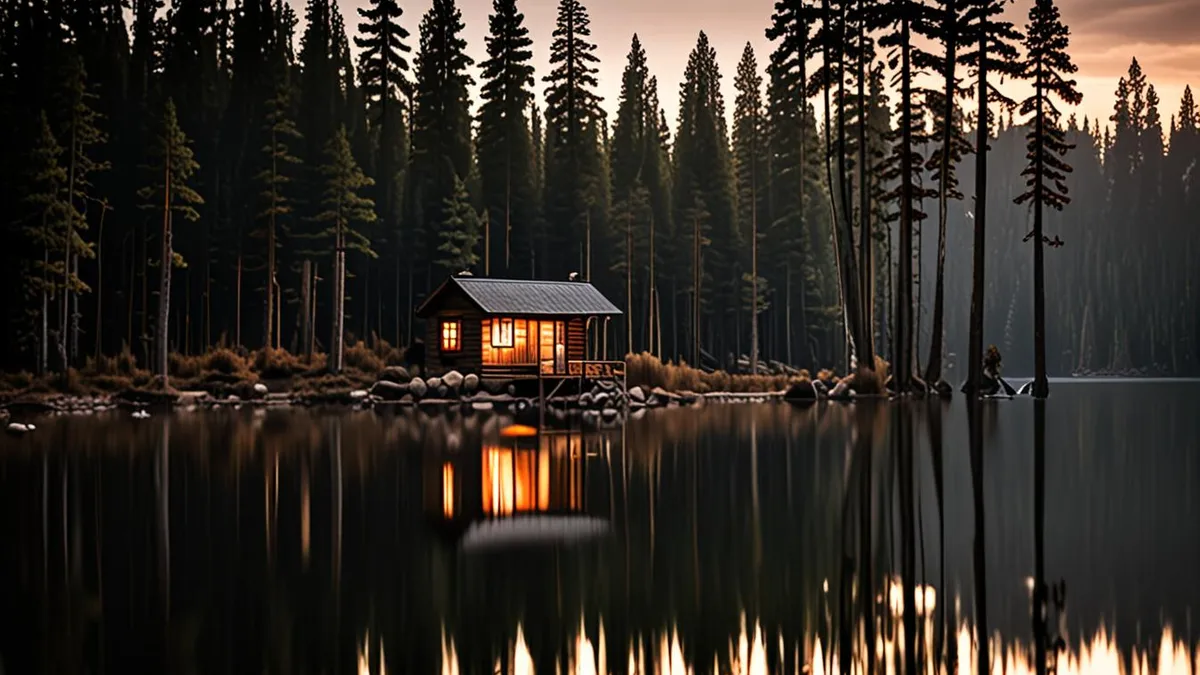
Cabins shine when privacy is the priority. Couples and small families of 2 to 8 get the whole place to themselves: a private kitchen, a living room where kids can spread out, and quiet evenings without restaurant noise or other guests. If your idea of a good night is a home-cooked meal and a board game, a cabin fits far better than a busy lodge.
Summer is prime cabin season. From roughly June to September in northern lake regions, a cabin near the water lets you set your own pace: swim when you feel like it, launch the kayak before breakfast, or picnic on the shore without schedules. If a lake break is on your list, these lodges at Loch Lomond for lake breaks show how the water-and-cabin combination works in practice.
Cabins also make longer trips more affordable. Cooking your own meals keeps nightly rates closer to $100 to $300, which adds up over a week or more.
- Private outdoor space: most cabins come with a deck, fire pit or yard, giving you your own patch of outdoors rather than shared grounds.
- Fridge and pantry storage: a full kitchen lets you shop once, stock up, and avoid repeated trips to town for meals.
- Flexible sleeping arrangements: lofts, bunk rooms and sofa beds make it easier to fit a mixed group or family in one unit instead of booking several hotel rooms.
Cost and Booking Differences
Price is often the deciding factor between a lodge and a cabin, and the gap is wider than most travelers expect. A lodge stay typically runs $150 to $500 per night, with staff services and shared facilities built into that rate. A self-catered cabin looks cheaper at first glance, but the sticker rate leaves out the work and extras you take on yourself, from meals to mid-stay cleaning.
Timing shapes the price as much as the property type does. Peak winter season fills lodge rooms early in most alpine regions, so the best rates and room choices tend to go to travelers who reserve well ahead. Cabins, with their smaller units and more numerous inventory, often have more last-minute availability, which makes them a workable fallback if your dates are flexible.
Meals are the hidden variable in this comparison. Restaurant dinners add up quickly over a week, while cooking your own food can trim a week’s food budget enough to offset a higher nightly rate somewhere else. Just remember that grocery runs carry their own costs in fuel and time.
Before you compare sticker prices, work through the details that shape the real cost of each option:
- What the rate includes: a lodge price usually bundles services, towels and meal options, while a cabin rate often adds cleaning fees, linen rental or a security deposit on top.
- Minimum stay rules: many cabin owners set two- or three-night minimums during busy periods, which can matter if you only want a one-night stopover.
- Equipment rental savings: staying at a lodge near ski lifts or boat docks can save on shuttle costs, while a cabin may require a rental car and daily fuel for every outing.
- Grocery logistics: cabin cooking only saves money if a full supermarket is within easy reach; if the nearest shop is small and pricey, your food budget shrinks less than planned.
The cheapest option on paper is rarely the cheapest in practice. Add up the extras, the minimum stays and the meal math, and the real price gap between a lodge and a cabin is often narrower than the nightly rates suggest.
Matching Your Stay to the Destination
The right stay type often depends less on your budget and more on where you are going. In national parks, lodges usually win. They sit close to main trailheads, so you can start hiking early before parking lots fill, and most have activity desks staffed by people who know the trails, weather and ranger programs. After a full day on foot, having a restaurant and lounge on-site is hard to beat.
Alpine lake destinations are more of a toss-up. If you want resort comfort, a spa, and organized excursions, a lodge delivers all of that in one package. If you would rather wake up steps from the water with your coffee on a private deck, a cabin is the better match. For a closer look at how this plays out in practice, see our guide to lodges around Lake Bled for alpine lake trips.
Whichever way you lean, always check drive times to shops and restaurants before booking a cabin. Remote units can be 30 minutes or more from the nearest supermarket, which changes how you plan meals and evening outings. A few destination-specific checks worth making:
- Trailhead distance: in national parks, ask whether the lodge offers a shuttle to popular trailheads, since some in-park roads close to private vehicles during busy periods.
- Waterfront access: at lake destinations, confirm whether a cabin’s shoreline is private or shared with other units, and whether boat or paddleboard rentals are nearby.
- Seasonal services: some lakeside lodges and cabin communities run at reduced capacity outside summer, so restaurants or equipment rentals you counted on may be closed.
- Village walkability: in alpine towns, a cabin within walking distance of a bakery and small grocery removes the need to drive for bread, coffee or a dinner out.
Questions to Ask Before You Book
A few pointed questions before you pay a deposit can save you from a cold, inconvenient or expensive surprise. Winter cabin stays deserve the most scrutiny. Ask exactly what is included: is heating metered or flat-rate, is firewood delivered or do you split it yourself, and does the hot tub cost extra or need 24 hours to heat before you arrive?
Road access is the second big one. A cabin that is easy to reach in July can be a different story in January. Confirm whether the road is plowed regularly, whether the final stretch is steep or unpaved, and whether the owner expects you to have 4WD or chains in winter months. Lodges usually handle this with shuttles or plowed lots, but it never hurts to ask how they manage heavy snowfall.
Finally, read the cancellation terms carefully, especially for lodge bookings made well ahead of the December to March peak. Long-lead bookings often come with stricter policies, including partial or full forfeiture if you cancel within a set window. Cabins booked through individual owners can be just as rigid, so get the terms in writing. These follow-up questions are worth adding to your list:
- Backup power and water: in remote areas, ask whether storms ever cut electricity or water, and whether the property has a generator or stored supply.
- Housekeeping expectations: some cabin rentals expect you to strip beds, run the dishwasher and take out trash before checkout, with a fee deducted from your deposit if you skip it.
- Check-in logistics: many cabins use lockboxes or self check-in after hours, while lodges have a staffed front desk, which matters if your flight or drive arrives late.
- Travel insurance fit: for nonrefundable peak-season lodge rates, check whether your travel insurance covers cancellation for illness or road closures, and get the policy terms before booking.
Choosing Between Lodge and Cabin: The Short Version
If you want a social base with on-site dining, services and someone else handling the details, a lodge is the better fit — especially for winter trips. If you prefer privacy, your own kitchen and quiet evenings with a small group, a cabin wins, particularly for summer lake stays.
Three factors settle it: your budget, your group size and the season you’re traveling. Match those against what each stay type offers, and the right choice becomes clear. If this helped you decide, leave a comment or share the article with a travel partner who’s still torn.