Many first-time safari travelers book a beautiful safari lodge months in advance, then arrive with no real idea of how the days actually unfold. What time do you wake up? Is the food included? Do you need special luggage? That uncertainty can turn an exciting trip into a stressful guessing game, especially when rates are high and the stay is short.
This guide walks you through the essentials before you commit to a booking. We explain what a safari lodge actually is and what a standard rate covers, when to go and how far ahead to reserve, and what a typical day looks like from the pre-dawn wake-up call to dinner. You will also find practical advice on game drives and guided activities, a realistic packing list, and tips for budgeting and choosing the right property. By the end, you will know exactly what to expect and how to prepare, so your first safari feels like an adventure rather than a mystery.
What a Safari Lodge Actually Is
A safari lodge is a permanent building with proper rooms or suites, which sets it apart from a tented camp where you sleep in canvas. Lodges range from simple, comfortable properties to ultra-luxury retreats with private plunge pools and butler service. Whatever the level, most are designed to be all-inclusive: your nightly rate typically covers accommodation, all three meals and two guided game drives per day. That structure makes budgeting easier, because once you have paid, there is little left to spend on site beyond tips, premium drinks or extras like spa treatments.
Pricing reflects this package. Mid-range lodges commonly run $250-$600 per person per night, while luxury properties typically start around $800 and can climb past $2,000 per person per night in prime season. Always confirm with the lodge or your operator what the current rate includes, as inclusions vary between properties.
Where lodges are located
Most lodges sit inside private concessions or beside national reserves, which means wildlife moves freely through the property. Do not be surprised to see elephants near the waterhole from the dining terrace or hear lions calling at night from your bed. Fences are rare, and staff will brief you on safety rules when you arrive, so wildlife viewing often starts before your first game drive does.
When to Go and How Far Ahead to Book
Timing shapes everything about a safari, from what you will see to what you will pay. The dry season from June to October delivers the best wildlife viewing, because vegetation thins out and animals gather at rivers and water sources, making them far easier to find. It is no coincidence that this is also the busiest and most expensive period.
The green season from November to March trades some of that predictability for other rewards. Rates drop, you share sightings with fewer vehicles, and dramatic skies make for striking photography. The trade-off is thicker vegetation, which can hide animals and sometimes makes game viewing slower going. Neither season is wrong; it depends on whether you prioritize maximum sightings or better value and quieter drives.
How far ahead to book
For peak-season dates at popular lodges, reserve 6-12 months in advance, as the best rooms and guides book out early. If you are flexible and traveling in shoulder season, booking 3-6 months ahead is usually enough, though you should still confirm availability rather than assume.
Finally, plan on 3-4 nights per lodge. That gives you at least six game drives and a realistic chance at the key sightings you came for, rather than feeling pressured by a single rushed night.
A Typical Day at a Safari Lodge
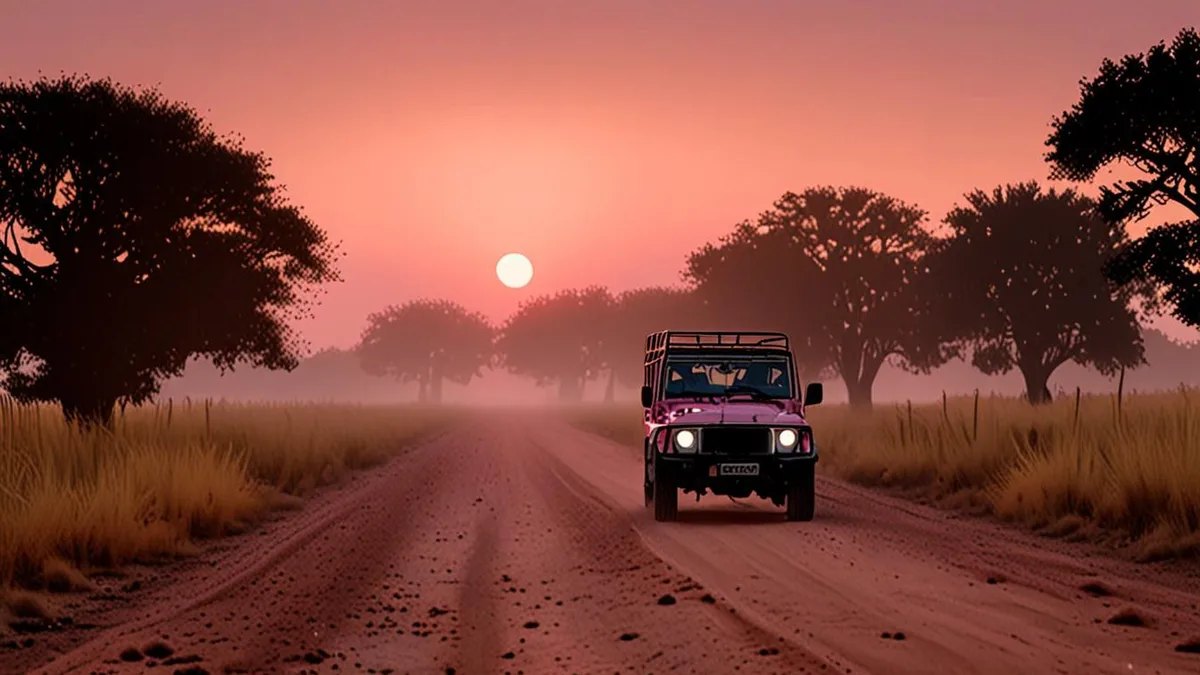
The rhythm of a lodge stay is one of its great pleasures: early starts, long midday breaks and a second outing in the late afternoon. Days follow a predictable structure, and once you understand it, you can plan sleep, meals and energy levels around it rather than fighting it. Guides time their drives to the hours when animals are most active, so the schedule is built around wildlife behavior, not convenience. Here is how a typical day unfolds.
- Wake-up call around 5:00-5:30 am. A staff member knocks or calls at your room, often with coffee or tea, so you can get dressed and ready while it is still dark. Layers help here, as the morning air can be surprisingly cold in an open vehicle.
- Light breakfast before departure. Expect something quick such as rusks, fruit, toast or porridge, since a full meal usually waits until you return.
- Morning game drive at 5:30-6:00 am. You head out at first light, when predators are most active, typically returning mid to late morning. This is often the best drive of the day for big cats on the move.
- Midday downtime. Animals rest
Game Drives and Guided Activities
The game drive is the heart of any safari lodge stay, and the vehicles are designed with photography in mind. Most open-sided 4x4s carry just 4-6 guests on tiered seats, so nobody has to shoot over someone else’s shoulder. If you’re a serious photographer, ask your lodge whether they offer a private vehicle or a guaranteed window seat; a few properties will arrange this for an extra fee.
Your guide is a trained professional, and many lodges in Big Five country pair them with a tracker who sits up front and reads spoor, broken branches and fresh dung. This two-person team dramatically improves your odds of finding leopard, lion and other shy species. Guides are also fountains of knowledge on birds, plants and animal behavior, so ask questions; the drives between sightings can be just as rewarding as the sightings themselves.
Sightings travel fast. Vehicles relay locations by radio, which is how you end up watching a leopard in a marula tree ten minutes after it was found. It also means popular finds can attract several vehicles, so your guide will usually wait your turn and keep visits short when it’s crowded.
- Walking safaris: Offered by many lodges in qualified reserves, these slow-paced outings focus on tracks, plants and smaller creatures you’d never notice from a vehicle, always led by an armed guide.
- Night drives: Common in private concessions but usually prohibited inside national parks, these reveal genets, bushbabies, hyenas and the chance of predators on a hunt after dark.
- Boat or mokoro safaris: In water-rich areas, these give you hippos, crocodiles and elephants at close range, plus a completely different angle on birdlife.
- M.checkedChild activities: Some lodges also offer hide visits or photographic hides, where you wait quietly at a waterhole and let the animals come to you.
What to Pack for a Safari Lodge Stay
Packing for a safari is about two extremes in one day: freezing dawn drives and hot, dry middays. Dress in neutral layers like khaki, olive and beige, which blend into the bush and don’t attract insects the way dark blue or black can. For the open vehicle at 6:00 am, a fleece, beanie and buff make a huge difference, even in the middle of the African winter.
If your itinerary involves light aircraft transfers between lodges, leave the hard-shell suitcase at home. These small planes require soft duffel bags, and weight limits are strict, usually around 15-20 kg per person including carry-on, because the aircraft genuinely can’t carry more. Check your operator’s exact limit before you fly, and pack accordingly.
Cameras and optics matter more than clothes here. A pair of binoculars per person is essential, since sharing them on a distant cheetah gets old fast. Evenings at camp are dark, so a headlamp keeps your hands free for the walk back from dinner.
- Sun protection: High-SPF sunscreen, a wide-brimmed hat and lip balm, since you’ll sit in an open vehicle for hours under thin morning light that still burns.
- Insect repellent: Apply it at dawn and dusk, and consider treating socks and trouser cuffs if you’re traveling in wetter months.
- Evening clothing: Long sleeves and trousers for after-dark dinners keep mosquitoes off and take the edge off the chill.
- Practical extras: A zoom or telephoto lens, spare batteries, dust bags for electronics, and a small daypack for the vehicle all earn their place.
Budgeting and Choosing the Right Lodge
Safari pricing confuses first-timers more than anything else, mostly because inclusions vary widely between properties. Before you book, confirm exactly what the nightly rate covers: some lodges include all drinks, laundry and conservation or park fees, while others charge separately for everything beyond meals and game drives. A higher headline rate with everything included can beat a cheaper one that adds park fees, drinks and transfers on top, so do the math rather than comparing sticker prices. Park and conservation fees are set by the reserves and change regularly, so ask the lodge or check the reserve’s official site for the current rate before you budget.
Concession versus national park
Where a lodge sits shapes both the price and the experience. Lodges in private concessions typically cost more, but they can drive off-road to follow a leopard into the thickets and run night drives, both of which are off-limits in national parks. Lodges inside national reserves generally cost less, but vehicles must stay on designated routes and return by gate hours, which can mean more distance from a sighting. Neither option is better across the board; it depends on your priorities and budget.
Getting there and matching the lodge to you
Don’t forget the logistics in your budget. Light aircraft hops between lodges or camps are often necessary and typically add a few hundred dollars per leg, which adds up quickly on a multi-stop itinerary. Road transfers are sometimes possible and cheaper, but check travel times before committing.
Finally, match the lodge to what you actually want. Families should look for properties with dedicated family rooms and child-friendly programs; photographers might prioritize big-cat density or hides; birders and honeymooners often love water-based lodges where you view wildlife by boat. If walking safaris are your dream, confirm the lodge offers them in its concession. Being honest about your priorities is the single best way to feel you spent your money well.
Final Thoughts on Your First Safari Lodge Stay
A safari lodge stay follows a simple rhythm: dawn drives, midday rest and afternoon outings. Once you know that pattern, the whole experience stops feeling mysterious and starts feeling effortless. June to October is prime season, and the best lodges fill early, so plan on 6-12 months of lead time for peak dates. Book 3-4 nights per lodge, pack neutral layers, and check exactly what your rate covers before you pay.
With those expectations in place, your first safari becomes less about logistics and more about the moments that matter: a leopard in a tree, a sundowner at dusk, coffee before sunrise. If this guide helped you plan your first lodge stay, leave a comment or share it with a fellow traveler.