Choosing the right time for a lodge stay in the Alps is harder than it sounds. Winter promises deep snow but brings peak prices and crowded slopes, while summer offers hiking trails and swimming lakes at a gentler pace. Then there are the shoulder months, which tempt with lower rates but can leave you facing closed lifts and shuttered lodges. Many travelers end up guessing, and some pay far more than they needed to.
This guide breaks the decision down season by season. We cover the winter snow season, the summer hiking months and alpine lakes, and the cheaper shoulder windows with their trade-offs. You will also find practical advice on how far ahead to book each season, how to match the season to your trip style, and what to check before confirming a seasonal booking. By the end, you should be able to pick your dates with confidence and know exactly when to reserve.
Winter: Snow Season for a Classic Lodge Stay in the Alps
Winter is the season most people picture when they imagine the Alps: snow-covered peaks, wood-paneled lodges and fires crackling in the lobby. In most Alpine resorts, the ski season runs from early December to mid-April, though conditions vary from resort to resort and from year to year. If reliable snow is your priority, aim for the heart of the season, when the slopes are at their best and most lifts run at full capacity.
The sweet spots at the edges of the season
Early December and late March are the clever traveler’s windows. Slopes are noticeably quieter than during peak weeks, and rates sit well below the high-season level. Snow cover is generally less dependable at these edges of the season, but many higher-altitude resorts still offer good skiing, and the atmosphere in the villages is relaxed and local.
When to expect peak prices
The period from Christmas to early January is the most expensive window of the entire winter, often costing 50-100% more than shoulder weeks. New Year week combines holiday demand with limited availability, so lodges fill up early and rates climb accordingly. If your dates are flexible, shifting your trip by even a week or two can make a significant difference to both your budget and your experience on the slopes.
Summer: Hiking Season and Alpine Lakes
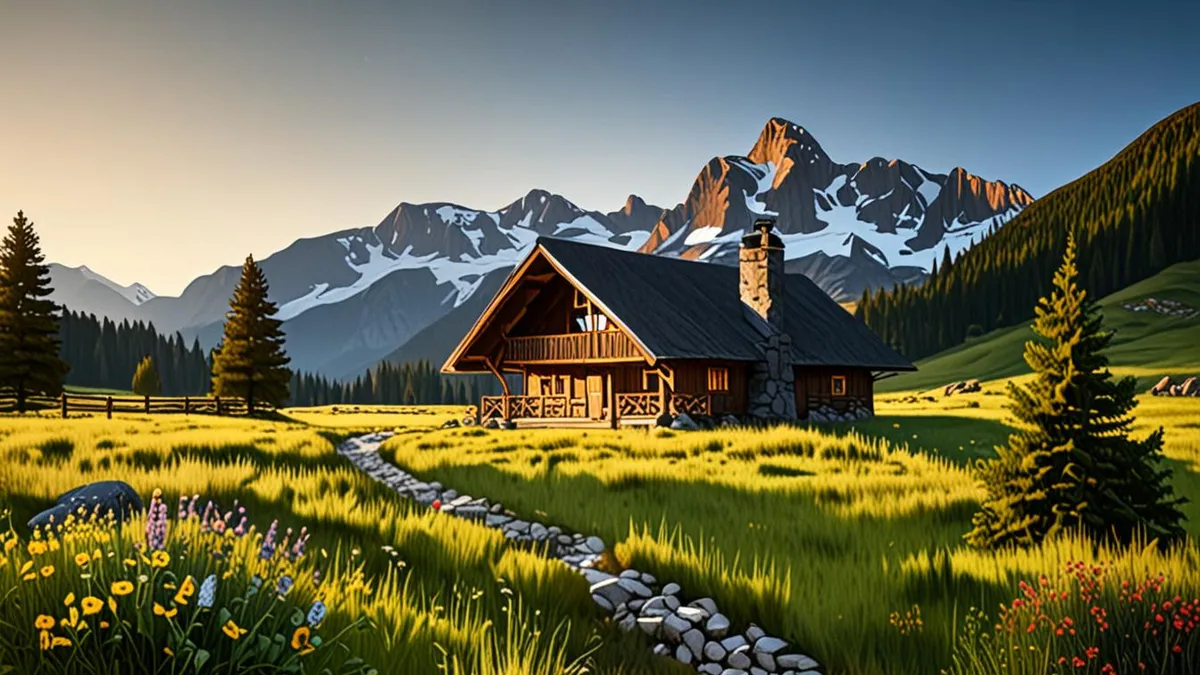
When the snow melts, the Alps change character completely. The hiking season runs from June to early October, and July and August bring the warmest weather of the year. High trails open up, mountain huts welcome walkers, and the valleys turn green with wildflower meadows. For many travelers, this is when the region shows its friendliest side.
Warm days and swimmable lakes
Daytime temperatures in the valleys typically range from 18-25°C during summer, which is ideal for two things: long days on high trails and a refreshing swim in an alpine lake. Lakes such as Bled in Slovenia have become popular bases for exactly this combination, and you can find plenty of practical advice in our guide to lodges near Lake Bled for alpine lake trips. After a day of hiking, a dip in cool, clear water is hard to beat.
The smarter shoulder of summer
July and August are beautiful but busy, especially around the most famous lakes and trailheads. June and September offer a compelling alternative: trails are open, the weather is still generally good, crowds are thinner and prices are softer. September in particular often brings stable, clear days that photographers love. If your schedule allows, these two months deliver most of what high summer offers with a fraction of the congestion, making them the choice for travelers who value both scenery and calm.
Shoulder Months: Lower Prices With Trade-Offs
If your priority is price rather than lift access or summit views, the shoulder months deserve a serious look. May, late October and November can be 30-40% cheaper than peak season, which makes a big difference on a week-long lodge stay. These gaps between the winter and summer seasons are when the Alps feel most like the quiet, local places residents know.
The trade-off: closures
The reason for those lower rates is simple: many lodges and cable cars close for maintenance during these months. Some lodges shut entirely between the end of the ski season and the start of the hiking season, and others take a break in late autumn before winter preparations begin. This means you should always check opening dates for both your accommodation and the lifts or restaurants you plan to use, because your preferred lodge may simply not be operating in the week you have in mind.
Who these months suit
Shoulder months work best for travelers seeking quiet villages rather than skiing or full hiking access. Think long lunches in empty squares, valley walks on marked low-level paths, and spa time at the lodge. If you are planning a trip on a tight budget and want to keep borrowing to a minimum, it helps to plan costs carefully; our guide on how to avoid borrowing more than you can comfortably repay covers sensible budgeting before you book. Just confirm what is open before you commit.
How Far Ahead to Book Each Season
Timing matters in the Alps, and the right booking window depends heavily on which season you are targeting. Winter lodge stays sell out first, especially in well-known ski regions, so the general rule is to book 4-6 months ahead for the best choice of rooms and rates. Summer is more forgiving: booking 2-3 months ahead is usually enough, since availability is generally easier and many lodges keep rooms free until closer to the season. Families and larger groups should lean toward the earlier end of both windows, because lodges with connecting rooms or big family suites have the least inventory and tend to fill first.
That said, not all weeks are equal. Peak holiday periods compress demand into a short window, and lodges in popular valleys can be fully booked many months in advance. If your dates are fixed and they fall in a high-demand week, treat the booking deadlines above as a minimum rather than a target. Flexible travelers have more room to maneuver: shifting a stay by even a few days can open up both availability and better rates, particularly outside the main school holiday weeks.
- Christmas to early January: the most expensive and crowded stretch of the winter calendar, when family-friendly lodges with larger rooms tend to go first, so contact lodges as soon as they open their winter calendar.
- February half-term: school holidays across several European countries overlap, so mid-February weeks combine high demand with limited flight and transfer availability.
- January outside holidays: a quieter window where booking 4-6 months ahead still helps, but you may find good rooms closer to your dates.
- June and September: the easiest summer weeks to book late, though lodges near famous trailheads still fill up on weekends.
Matching the Season to Your Trip Style
The best season for a lodge stay depends less on the calendar and more on what you actually want to do once you arrive. Skiers and snowboarders should aim for January or February, when snow cover is typically deepest and the full winter sports infrastructure is running: ski schools, rental shops, groomed trails and mountain restaurants all operate at full capacity. If a winter city-and-slopes combination appeals to you, lodges around Innsbruck are a natural fit, and you can browse Innsbruck lodge options for winter travelers to see what that region offers.
Hikers and photographers have a clear favorite in September. Skies are often at their clearest of the year, larch forests turn golden toward the end of the month, and trails that were crowded in August become noticeably quieter. You still get long daylight hours and open high routes, without the peak-season prices.
If budget leads your planning, May or October are the months to target. The savings compared to peak weeks are substantial, especially on longer stays, but the trade-off is real: lifts and high routes may be closed, so your days center on valley walks, villages and lower-elevation trails rather than summits.
A few quick pointers by travel style:
- Deep-snow travelers: January typically brings the most reliable conditions, and midweek stays can be quieter than weekends even in busy resorts.
- Autumn color seekers: late September into early October is when larch valleys glow, especially in higher-altitude areas where the color change arrives later.
- Budget-focused trips: shoulder months offer the lowest rates of the year, which matters most on stays of a week or more.
What to Check Before Confirming a Seasonal Booking
Before you pay a deposit for any Alpine lodge stay, a few quick checks can save you from an expensive mismatch between your dates and what is actually open. The most important one applies to shoulder-season trips: confirm whether the lodge operates year-round or closes during the quiet months. Many Alpine lodges shut for several weeks in November and again in spring for maintenance and staff breaks, and a lodge that appears bookable online may simply not respond during those gaps.
The same logic applies to everything around the lodge. A comfortable room is of little use if the cable car you planned to ride, the mountain restaurant you wanted for dinner, or the lift serving your favorite ski area is closed for your chosen weeks. Opening dates vary by resort and by operator, so check the current schedules directly rather than relying on last year’s dates.
Read the cancellation terms carefully
Mountain weather can disrupt travel plans in any season, from blocked roads after heavy snowfall to storms that delay transfers. Before confirming, review the lodge’s cancellation and rebooking policy, note any deadlines for free changes, and consider whether flexible rates or travel insurance make sense for your trip. A slightly higher rate with generous cancellation terms is often the better deal than the cheapest non-refundable option in a region where conditions can change quickly.
Choosing Your Season With Confidence
Deciding when to visit comes down to what you want from the trip. Snow lovers should target the heart of the ski season, when most Alpine resorts have their slopes and lifts in full operation. If your priority is hiking and swimming in alpine lakes, the summer months bring warm valley days, typically between 18-25°C, along with open trails and full lodge service. For travelers watching their budget, the shoulder months of May, late October and November can cut rates by 30-40%, though many lodges and lifts shut during these quieter gaps, so plan around limited access.
Once you have picked your season, timing your booking matters just as much. Reserving a winter lodge stay 4-6 months ahead secures the best rates and widest choice of rooms, while 2-3 months ahead is usually enough for summer trips. Match the season to your travel style, lock in your dates early, and an Alpine lodge stay becomes far easier to plan. If this helped you decide, leave a comment or share the article with a fellow traveler.