Glamping photos all promise the same dream: a beautiful bed, big views and a touch of wilderness. But the yurt vs safari tent vs dome question matters more than most travelers expect. Choosing the wrong structure for your season, group size or budget can turn a dreamy escape into a damp, cramped or overpriced disappointment.
This guide breaks down how the three structures actually differ, which layouts suit couples, families and small groups, and when each one performs best in the year. We also compare typical prices, explain booking timing and location match, and look at real-world examples of each stay type. By the end, you will know exactly which glamping structure fits your next trip.
Yurt vs Safari Tent vs Dome: How the Three Structures Differ
At first glance all three look like fancy tents, but they are built in completely different ways, and that shapes everything from comfort to price.
Yurts: round, insulated and open inside
A yurt is a circular tent with lattice walls under tension and a central dome skylight at the top of the roof. The walls and roof are typically lined with felt or canvas insulation, which keeps the space warmer than a plain tent. Inside there are no dividing walls: you get one open living-sleeping space, so beds, seating and storage all share the same room. Yurts typically sleep 2-5 guests.
Safari tents: canvas houses on a frame
A safari tent is essentially a rectangular canvas house built on a rigid frame. Most have a veranda for sitting outside, real furniture, a kitchenette and often an en-suite bathroom. That makes them the most home-like option, and they usually sleep 2-6 guests. Because of the solid frame and full facilities, a safari tent feels closer to a small cabin than a tent.
Domes: geometric and weatherproof
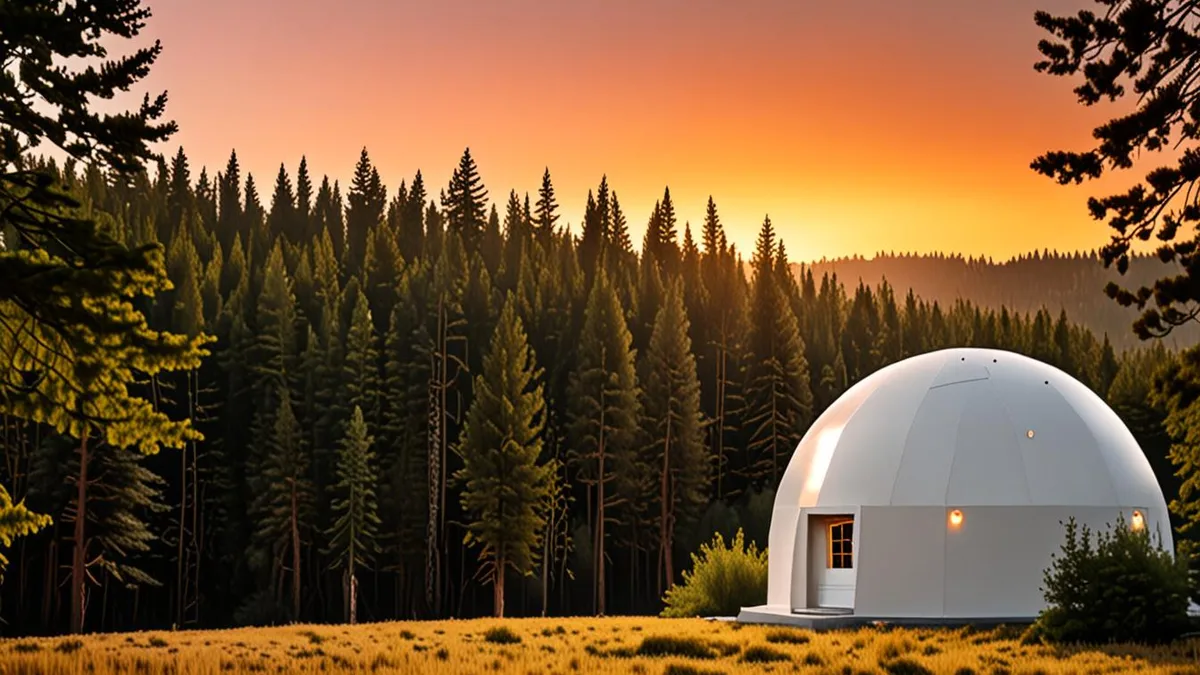
A geodesic dome is a sphere made of triangular panels. Many have a panoramic window or a transparent roof window, which is why they photograph so well. The floor area is compact, usually sleeping 2-4 guests, but the curved, panel-based structure gives strong weather resistance against wind and cold. If you want the structure itself to be part of the experience, the dome is the one that delivers.
Space and Comfort: Which Layout Fits Your Group
How many people you travel with will narrow down your choice faster than almost anything else. Each structure has a natural group size where it simply works better.
Couples often prefer domes. The cozy footprint feels romantic rather than cramped, and the view from a transparent roof panel is hard to beat in bed. A yurt also works well for two, and it feels roomier for two plus a child, since the open circular space gives everyone a bit more breathing room without feeling empty.
Families of 4-6 get the most practical layout in safari tents. Separate sleeping zones mean parents get a real bedroom area while kids have their own beds, and the kitchenette saves you from eating out every meal. If you are planning a longer stay with children, it is worth reading how to pick the right glamping site when traveling with kids before you commit, because the site around the tent matters as much as the tent itself.
Check what is actually included
One detail catches travelers out every season: bedding, heating and cooking equipment vary more between structures than between sites. A safari tent nearly always includes a full setup, while some yurts and domes expect you to bring or rent linen, or provide only a basic heater. Always read the accommodation description carefully and message the operator if anything is unclear. Knowing whether towels, firewood and a stove are included can change which option is genuinely better value for your group.
Glamping structures are not equally comfortable in every month, and this is where most bad trips go wrong. The canvas that feels breezy in July can feel clammy in May.
Domes handle wind and cold best of the three. The insulated triangular panels and rounded shape shed gusts well, so domes are the most likely to stay open in shoulder months like April, May and October. If your trip dates are fixed outside high summer, a dome gives you the widest choice of open sites.
Yurts insulate well against cool nights thanks to their felt or canvas lining and the dome skylight, which also vents warm air. That makes them a good pick for late spring and early autumn mountain stays, when evenings drop cold but days stay pleasant. Check regional conditions with your operator before fixing dates.
Safari tents are best in warm, dry midsummer. Outside June to September, canvas can feel damp and cool, especially in the morning, and there is little insulation to fix it.
Season-by-season quick guide
- April and May: prioritize domes, since their insulated panels keep them usable before canvas structures have fully warmed up.
- June to September: safari tents come into their own, with the veranda and kitchenette earning their keep in long, dry evenings.
- Shoulder-season mountain trips: a yurt’s insulation against cool nights matters more than floor space, especially above the valley fog line.
- Rainy forecasts: a dome’s curved panels and a yurt’s tensioned roof cope better with wind-driven rain than flat canvas walls.
Weather and Season: When Each Structure Performs Best
Weather is where these three structures really separate. Geodesic domes handle wind and cold better than either of the other two, thanks to their rigid triangular panels and low, aerodynamic shape. That is why they are the most likely option to stay open in shoulder months like April, May and October, when many canvas sites have already closed or not yet opened.
Yurts sit in the middle. The felt or canvas insulation that lines the walls does a genuinely good job against cool nights, which is why a yurt is often the smartest pick for a late spring or early autumn stay in the mountains. Days can still be mild, but temperatures drop quickly after dark at altitude, and a yurt holds warmth far better than a thin safari tent.
Safari tents are warm-weather structures. They shine in warm, dry midsummer, when you can live half the day on the veranda with the canvas rolled open. Outside June to September, canvas can feel damp and cool, especially in the morning, and some sites simply close them for the season.
A few season-specific points to weigh up before you choose:
- Shoulder-season availability: if you want an April or October break, email the site first and confirm the structure is heated and open – domes are your best bet, but not every dome site runs a full shoulder season.
- Mountain nights: in alpine or forest settings, ask whether the yurt has a stove or heater included, since late spring nights can still dip close to freezing.
- Morning damp: in a safari tent outside peak summer, pack an extra layer for mornings and expect bedding to feel cool to the touch, even when the day warms up nicely.
- Rain behavior: heavy rain sounds dramatic on dome panels and yurt roofs but is usually louder than it is leaky; safari tent canvas is treated, but prolonged wet weather is when they feel their worst.
For a month-by-month breakdown of where each structure works across the continent, check out this guide to the best seasons for glamping in Europe.
Price: What Each Stay Type Really Costs
Glamping prices vary more by structure than most travelers expect. In high season, a yurt typically runs around €90-180 per night, a safari tent around €120-250, and a dome around €150-300. Those ranges are broad because location, season and site quality all push rates up or down, but the ordering is fairly consistent: domes sit at the top, safari tents in the middle, yurts at the entry level.
The reasons behind those numbers matter more than the numbers themselves. Safari tents cost more than yurts because you are paying for real infrastructure: a kitchenette, proper beds and often an en-suite bathroom, which means the operator has invested in plumbing and fittings. Domes price highest because you are partly buying the view and the novelty of sleeping under a panoramic or transparent roof window. Yurts keep costs down with a simpler, single open space and fewer built-in facilities.
Before you decide which structure offers better value, look closely at what the rate actually covers. Heating, linen, cleaning fees, cooking equipment and amenities like firewood or hot tub access are bundled in at some sites and charged as extras at others. A €120 safari tent with everything included can beat a €100 yurt that charges separately for bedding and a final clean. It pays to read the fine print on what glamping costs really include before you book, so you can compare stays on true total price rather than the headline nightly rate.
Booking Timing and Location Match
Timing matters as much as structure when it comes to glamping. For July-August stays in popular regions, book 3-6 months ahead regardless of whether you want a yurt, tent or dome. The best-positioned units at any site go first, and by late spring you are often choosing between leftover dates rather than preferred ones. If you are flexible, a midweek arrival or a stay in June can open up availability that weekend travelers never see, and some sites offer quieter surroundings outside the peak weeks anyway.
Location also narrows your options in ways that are easy to miss. Domes and yurts suit mountain and forest settings, where their curved shapes handle uneven ground and exposed weather well. Safari tents need flat, stable ground for their frames and verandas, so they cluster at lakeside and coastal campsites where the terrain allows it. Before booking, ask how far the unit sits from shared facilities like showers and the campsite restaurant, since a long walk matters more with small children or in the rain.
The smartest move is matching the structure to the kind of trip you are planning:
- Stargazing trips: domes with transparent roof panels let you watch the sky from bed, so pick sites far from town lighting and check whether the roof window opens or simply lets light through.
- Long family stays: safari tents make week-long holidays easier, since a kitchenette cuts restaurant costs and separate sleeping zones keep early risers from waking everyone else.
- Quiet nature retreats: yurts suit short, low-key breaks where you spend the day hiking or reading and value a warm, round, simple room over facilities and views.
If your dates are fixed and your region is popular, structure choice may come down to availability. Booking early keeps every option open, so confirm your preferred unit type before it sells out for the season.
Real-World Examples of Each Stay Type
Abstract comparisons only go so far, so it helps to see how these structures perform in real settings. A lakeside campsite in France offers a good case study: yurt-style accommodations and tent lodges sit side by side, and both are pitched squarely at active family holidays. Days revolve around swimming, cycling and watersports, and the round, open-plan layouts work well because families spend most waking hours outdoors and use the tent mainly for sleeping and rainy-afternoon board games.
When elevation changes the equation
A treetop cabin site in Catalonia shows a different angle. Elevated, compact structures share many traits with ground-level domes: small floor area, big views and a strong sense of escape. Staying there makes the trade-offs obvious. You gain perspective and privacy that ground-level domes cannot always match, but you give up floor space and easy access, which matters more with young children or heavy luggage.
One canvas style, two climates
Safari-style canvas proves remarkably adaptable. A tented camp in Thailand shows the format in a tropical setting, where wide verandas and mesh panels handle heat and humidity, and the focus is on shade and airflow. Meanwhile, a site in East Hampton demonstrates the same structure in a coastal American setting, where the veranda becomes a breezy porch for salty afternoons and the canvas holds up against sea air. Same basic design, completely different feel, which is exactly why safari tents remain the most flexible of the three.
The Short Answer: Picking Your Glamping Structure
All three structures look glamorous in photos, but the wrong pick can quietly ruin a trip. The short version: domes win on weather resilience and views, safari tents on space and facilities, and yurts on cosiness and value. If you want the safest all-rounder for a family, the safari tent is hard to beat; if you are chasing a night under the stars, the dome is the obvious choice.
In practice, your season and group size narrow the choice faster than price does. A couple traveling in April has very different needs from a family of five in August, and that matters more than saving twenty euros a night. Whichever structure you settle on, book early for summer and check exactly what the rate includes before you pay. If this helped you decide, leave a comment or share the article with a fellow traveler.