Glamping in Europe sounds dreamy until you try to pick a month. A canvas tent that feels magical on a warm June evening can turn damp and miserable after a cold April rain, and the same site can cost dramatically more in August than it does in September. Weather, prices and crowd levels shift sharply from region to region, which is exactly why so many travelers freeze up when booking.
This guide breaks the year into four glamping seasons so you can match your trip to your priorities. We’ll look at why timing matters in the first place, then walk through spring, summer, autumn and winter options across the continent. You’ll also find practical booking advice for stretching your budget, plus a simple summary to help you choose the season that fits your style. By the end, you’ll know whether your perfect night under canvas belongs in a May meadow or a heated Alpine dome.
Why Timing Matters for Glamping in Europe
With a hotel, a wrong guess about the season means an extra sweater. With glamping, it can mean a soggy sleeping bag and a night spent listening to rain hammering canvas. The season you choose determines whether your tent feels cozy or cold and damp, and that matters far more than it would in a brick-and-mortar room.
Money is the second big factor. Summer nightly rates are often 30-50% higher than in shoulder months like May or September. Traveling just a few weeks earlier or later can free up a meaningful chunk of your budget for a longer stay or a more special unit, such as a treehouse instead of a standard bell tent.
Availability is seasonal too
The third factor is simple supply. Alpine and northern sites typically operate May to September, so a dreamy Nordic safari tent may simply not exist as an option in November. Mediterranean glamping is comfortable from April to October, which stretches the calendar considerably in the south.
Before falling in love with a specific site, check its opening dates. Many operators publish a seasonal calendar, and some close entirely outside the summer months, especially in the mountains and the far north.
Spring Glamping: April and May
Spring is when southern Europe wakes up first. Mediterranean regions like southern Spain and coastal France are already warm in April, making them a smart pick if you’re eager to get your glamping season started early. Days are long enough for lazy evenings outside, and the sea breeze keeps things pleasant rather than scorching.
If you’re considering Spain, a treehouse stay is a memorable way to experience the season. You can read what that’s like in this review of a treehouse glamping stay in Sant Hilari Sacalm, Spain, set in the forested hills of Catalonia.
Why May is a sweet spot
May might be the single best month for countryside sites across the continent. Wildflower meadows are at their most photogenic, birdsong replaces summer crowds, and site owners still have time to chat and share local tips. Shoulder-season rates also tend to be gentler than peak summer prices.
One caveat: nights can still be chilly in central and northern Europe, even when afternoons feel mild. Pack warm layers, thick socks and check whether your tent includes proper bedding or a heater. A beautiful spring day can turn into a cold evening fast, and you’ll want to be ready for it.
Summer Glamping: June to August
Summer is peak glamping season for a reason. You get the longest days of the year, the fullest site calendars and the widest choice of locations, from Portuguese coastlines to Baltic lakeshores. The trade-off is straightforward: peak rates and busy campgrounds, so expect neighbors close by and book early.
August deserves special caution. It’s the busiest and most expensive month in southern Europe, when local holidaymakers join international travelers and popular sites fill up weeks in advance. If your dates are flexible, June or early July often deliver similar weather with noticeably more breathing room.
Where summer really shines: the Alps
Summer is best for high-altitude Alpine sites, where temperatures stay comfortable even at the height of the season. While lowland tents swelter, mountain glamping offers crisp mornings, warm afternoons and cool nights ideal for sleeping. A lakeside spot like the one described in this review of Huttopia Lac de Serre-Ponçon in the French Alps shows how pleasant mountain summer glamping can be.
Keep in mind that mountain and northern locations keep their shortest calendars, closing down once the September season ends. That makes summer the stretch when these spots are at their most dependable. If long hiking days and mountain views are your priority, this is your season.
Autumn Glamping: September and October
Early September is arguably the sweet spot of the entire glamping year. Across much of Europe, the land and sea still hold onto summer warmth, so nights in a canvas tent stay comfortable without extra heating. Yet the school-holiday crowds have gone home, campgrounds feel noticeably calmer, and nightly rates typically drop from their August peaks.
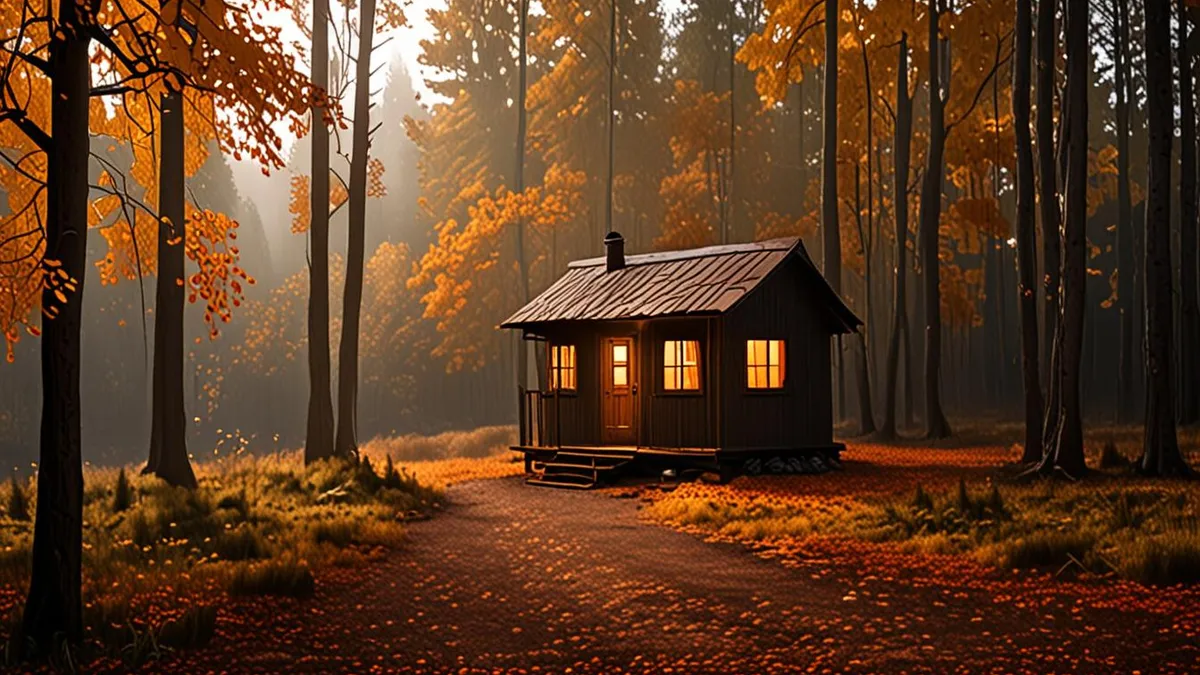
If you can push your trip into October, the scenery changes dramatically. Deciduous forests turn gold and rust, which makes forest cabins and treehouse stays especially photogenic. Waking up among colorful canopy views is one of the most memorable glamping experiences of the year, and you will rarely have to share the viewpoint with anyone.
Where stays stay open longest
Region matters a lot in autumn. Mediterranean destinations generally keep their sites running through October, since daytime temperatures there remain pleasant well into the month. Further north and in the Alps, the picture is different: many sites wind down by late September, and some close entirely once temperatures dip. Always confirm your chosen site’s season before you plan around an October date.
Pack layers no matter where you go. A warm afternoon can quickly turn into a crisp evening, and a good fleece plus thick socks will keep an autumn trip comfortable from first light to last.
Winter Glamping: Heated Domes and Cabins
Winter glamping is a different sport from its summer cousin. Standard canvas tents and safari-style lodges simply are not built for freezing nights, so the sites that stay open in the cold months rely on insulated, heated units. Think geodesic domes with wood-burning stoves and solid cabins with proper insulation. If a site does not clearly advertise heating, assume it closes in winter.
Where to go for snow-side stays
The Alps and the Nordic countries lead the winter scene by a wide margin. In the Alps, heated domes and cabins often sit within easy reach of ski slopes, snowshoe trails and cozy village après-ski. In Scandinavia and Finland, winter stays are frequently paired with snow activities such as husky sledding, cross-country skiing or simply watching snowy landscapes from a warm, glass-fronted cabin. Falling asleep in a heated dome while snow falls outside is an experience summer glamping cannot match.
The catch is availability. Winter-ready units are far fewer in number than summer tents, and demand spikes around the festive season, when families and couples compete for the same handful of domes. Book well ahead for dates around Christmas and New Year, sometimes several months out, and expect minimum-stay requirements at popular sites. If your dates are flexible, January and early February typically offer more openings and a quieter atmosphere once the holiday rush fades.
How to Book the Best Season for Your Budget
Good timing is only half the equation; booking at the right moment is what actually locks in the savings. Glamping rates swing noticeably between peak summer and the shoulder months, so when you reserve matters almost as much as when you travel. The good news is that you do not need insider knowledge to come out ahead. You just need a simple timeline and the discipline to stick to it. Travelers who plan around these windows usually pay less, get first pick of the best units and avoid the scramble of last-minute searching.
- Book summer stays 3-6 months ahead. Peak-season sites, especially popular domes, safari tents and treehouses, fill their calendars early. Reserving in this window gives you the widest choice of units and dates before the most sought-after ones disappear. If you have your heart set on a specific site, this is the window that protects you.
- Leave 4-8 weeks for shoulder-season trips. May and September to early October trips are far less contested, so a shorter lead time is usually enough to find availability at a good rate. This flexibility also lets you watch the forecast before committing, which is handy for camping trips in general.
- Aim for May or late September to cut costs. Traveling in these shoulder windows can bring nightly rates down meaningfully compared with August, while the weather in many regions is still pleasant. You also share the site with fewer neighbors, which changes the whole feel of the stay.
- Check each site’s opening calendar before committing. Seasonal closures vary by region, and a tempting low-season rate is worthless if the site is shut. Confirm the dates a site actually operates before you book anything else, and note whether your preferred unit type runs the full season.
One final habit worth building: once you have picked your dates, set a reminder to recheck your booking a week before arrival. Sites occasionally adjust availability, and a quick confirmation saves surprises at the gate. It also gives you time to sort out any changes without paying rush fees or settling for a worse unit.
Choosing Your Perfect Glamping Season
Picking the right month makes the difference between a cozy canvas escape and a damp, overpriced disappointment. If you want the best overall balance, aim for the shoulder seasons: May and September to early October bring mild weather, lower prices and noticeably quieter sites than midsummer.
Summer from June to August works best for high-altitude Alpine sites and long-day itineraries, even though rates peak and campgrounds fill up. Winter glamping is a different beast entirely, limited to heated domes and solid cabins, mostly in the Alps and Nordic countries. Match the season to your style, and the trip practically plans itself. If this helped you narrow down your dates, leave a comment or share the article with a fellow traveler.