Many first-timers book a fishing lodge without knowing what a typical day looks like, what to pack, or whether they need to bring their own gear. That uncertainty can turn an exciting trip into a stressful one, especially when the lodge is remote and there’s no store down the road to fix a packing mistake.
This guide walks you through the basics before you commit to a booking. We’ll cover what a fishing lodge actually is and how it differs from a resort, how far ahead to reserve and what packages usually include, what a typical day on the water looks like, and what lodges provide in terms of guides, gear and boats. You’ll also find practical packing advice, a look at meals and lodge etiquette, and a short wrap-up to help you set realistic expectations. By the end, you’ll know exactly what questions to ask when booking and what to expect from the moment you arrive at the dock.
What a Fishing Lodge Actually Is
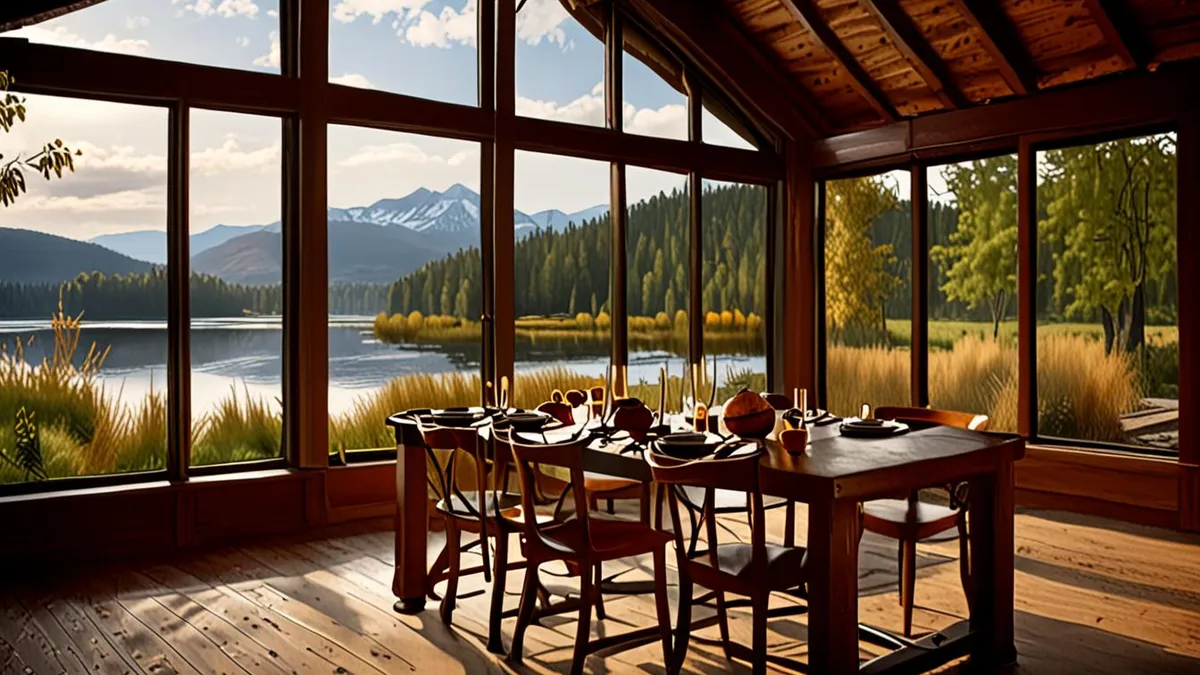
A fishing lodge is a remote waterfront property built around one thing: getting guests onto the water. Instead of a lobby and elevators, you’ll find guest rooms or private cabins, a dock, and boat access to the lake or river right outside your door. The water isn’t a view or an amenity here; it’s the whole reason the place exists.
Most lodges are much smaller and more casual than a resort or hotel. Many are family-run, with owners who greet you at the dock, cook your meals and know every bay and reef on the lake. Don’t expect bellhops, room service or a concierge desk. Expect a handshake, a short orientation and someone who genuinely wants you to catch fish.
Getting there is part of the experience
One thing that surprises many first-timers is the arrival itself. Many lodges are accessible only by boat or floatplane, with no road connection at all. That shapes your logistics in real ways: you’ll need to plan flights into a regional airport or a floatplane base, pack light, and coordinate your arrival time with the lodge. Some operators include the final leg in their package, while others arrange it separately, so it’s one of the first things to confirm when you book.
This remoteness is also the appeal. You’re trading convenience for quiet water, unpressured fish and a level of solitude that’s hard to find anywhere else.
Booking Your First Fishing Lodge Stay
Popular fishing lodges fill up fast, especially for summer weeks. The peak season in most northern regions runs from May to September, and the best weeks, often those with the most reliable weather or the strongest fishing, can be spoken for a year in advance. For a first trip, plan to reserve 6-12 months ahead if you want a specific date at a well-known lodge. If your schedule is flexible, ask about shoulder-season openings, which can be easier to book.
How long should you stay?
In high season, most lodges require a minimum stay, typically 3-4 nights. Full-week packages are the most common format, and many returning guests swear by them: a longer stay gives you time to learn the lake, recover from one slow day and settle into the rhythm. For a first visit, a shorter stay within the minimum is a reasonable way to test the waters before committing to a full week.
Compare packages, not just prices
Sticker prices between lodges can be misleading because inclusions vary widely. Before comparing rates, ask exactly what each package covers: Is a boat assigned to your group? Is fuel included or billed separately? Are guides part of the package or an add-on? Is the meal plan included? Two lodges with very different prices can end up costing about the same once you add the extras, so get the full list in writing before you decide.
A Typical Day at a Fishing Lodge
The rhythm of a fishing lodge day takes some getting used to, especially if you’re not a morning person. Fish are most active early, so most guests head out on the water around 6-7 am. That often means an alarm before sunrise, a quick coffee and breakfast, and a walk down to the dock while the lake is still calm. If you’ve booked a guide, they’ll usually meet you at the boat with the day’s plan already sorted.
Midday break and the main meal
By midday, most guests return to the lodge for the main meal, often the biggest and best of the day. This break isn’t just about food; it’s when the lake gets windy, the sun gets high and the fishing slows down anyway. After lunch you have a choice: head back out for an afternoon session, or take some downtime. Napping, reading on the dock and swapping stories with other guests are all perfectly acceptable afternoon activities.
Quiet evenings
Evenings at a lodge are deliberately low-key. Expect gear prep for the next morning, a campfire, an early dinner and early nights. There’s no nightlife, and after a full day on the water most guests are asleep not long after dark. Embrace it: that early bedtime is exactly what makes the 6 am start possible, and it’s part of the reset many people come to these lodges looking for.
Guides, Gear and Boats: What’s Provided
One of the biggest reliefs for first-timers is how little gear you actually need to buy. Most lodges supply the core equipment: rods, tackle and life vests are standard at the majority of properties. That said, the exact list varies, so confirm what’s included when you book rather than assuming. Some lodges throw in everything down to bait, while others expect you to bring your own lures for certain species.
If you’re new to fishing, a guided trip is usually money well spent. Guides know the lake, understand seasonal fish behavior and can fix your technique before bad habits form. Costs vary by region and lodge, but guided fishing typically adds around $150-$400 per day per group, which can be split among the people sharing the boat. Ask how many anglers the guide takes at once so you know what you’re getting.
Boats are usually part of the package, but the details matter. Before you finalize your booking, ask these questions:
- Fuel: many lodges meter fuel separately and bill you by the liter or by the tank at the end of your stay, so ask how it’s charged.
- Motors: some lodges include a small outboard per boat but rent larger motors for guests who want to cover more water.
- Boat type: confirm whether you get a dedicated boat for your group or share one with other guests.
- Guide tipping: tips usually aren’t included in the trip price, so ask the lodge what’s customary in their region.
What to Pack for a Fishing Lodge Trip
Packing for a fishing lodge is less about fashion and more about staying dry, warm and comfortable from an early morning start until the last cast of the day. Weather on the water changes fast: a sunny morning can turn into wind, spray and a chilly ride back to the dock by afternoon. The solution is layers. Bring a moisture-wicking base layer, a warm mid-layer like a fleece, and a waterproof outer shell you can pull on or off as conditions shift.
Rain gear deserves special attention. A quality rain jacket and waterproof pants will do more for your trip than almost anything else in your bag, especially if you plan to fish through a drizzle instead of sitting in the cabin. Footwear matters too: waterproof boots or shoes with good grip handle wet docks and slippery boat decks far better than sneakers.
Beyond clothing, a few small items make a noticeable difference day to day. Add these to your list:
- Polarized sunglasses: they cut glare on the water so you can actually see fish, weeds and structure below the surface.
- Sunscreen and a wide-brimmed hat: sun reflects off the water all day, and you’ll burn faster than you expect even on cloudy days.
- A valid fishing license: most regions require one, and rules differ by province, state or country, so buy it online before you travel and carry a copy.
- Bug spray: depending on the season and region, insects on shore can be relentless, especially at dawn and dusk.
Finally, think about your luggage itself. If the lodge is reached by floatplane, you’ll almost certainly be asked to bring soft duffel bags instead of hard-sided suitcases. Floatplanes have limited cargo space and weight limits, and soft bags are far easier to load. Check your lodge’s weight allowance before you pack, and leave the extras at home.
Meals, Amenities and Lodge Etiquette
Food at a fishing lodge is part of the experience, and it’s usually hearty rather than fancy. Meals are typically included in your package or sold as a meal plan option, so you’ll rarely need to think about where your next plate is coming from. The one thing you should do is mention any dietary needs when you book, not when you arrive. Remote kitchens plan supplies around their guest list, and a chef who knows about your allergy or vegetarian diet a month ahead can accommodate it far more easily than one who finds out at dinner.
Expect a communal atmosphere. Most lodges serve meals in a shared dining room where guests swap stories about the day’s catches, and lounges or fire pits double as evening gathering spots. There’s no room service and no late-night kitchen, so if you want snacks or drinks between meals, ask what’s available and plan ahead. The shared setup is part of the charm: it’s how strangers end up trading lure tips by the second night.
Fish handling and lodge customs
Every lodge handles fish a little differently. Some practice strict catch-and-release, others let you keep fish for shore lunches or take-home fillets, and many have size or species limits based on local regulations. Cleaning stations, freezer space and packaging for transport also vary widely. Rather than guessing, ask the staff on your first day how they prefer guests to handle fish. A quick conversation will save you an awkward moment at the dock and help you follow the local rules, which protect the fishery everyone is there to enjoy.
Ready for Your First Fishing Lodge Trip
A fishing lodge is a casual, water-centered stay built around early mornings, time on the water and gear that is usually included. Most lodges provide rods, tackle and life vests, meals come as part of the package or a plan, and the daily rhythm follows the fish rather than a resort schedule. That answers the three questions that trip up most first-timers: what a day looks like, what to pack, and whether you need to bring your own equipment.
Booking early, confirming exactly what your package covers and packing layers for changing weather will prevent nearly every common surprise. Once those basics are handled, the focus shifts to where it belongs: the water, the fish and the quiet. If this guide helped you plan your first lodge trip, leave a comment or share it with a fishing partner.