Picture this: you arrive at a beautiful lodge with a stunning view, only to discover that the animals you traveled to see live two hours away across rough roads. It is one of the most common and most expensive mistakes in wildlife travel. The right lodge location for wildlife watching matters far more than thread counts or cocktail menus, because where you sleep decides what you can actually see.
This guide walks you through the decisions that shape a great wildlife stay. We start with why location beats amenities, then help you match habitats to the species on your wishlist and time your trip with the wildlife calendar. You will also learn how to evaluate on-site viewing facilities, compare guided options and group sizes, and balance remoteness with the comforts you genuinely need. By the end, you will know exactly which questions to ask before you book.
Why the Lodge Location for Wildlife Watching Matters More Than Amenities
A infinity pool and a spa menu are lovely, but neither one helps if the nearest reserve gate is a two-hour drive from your front door. Every hour spent transferring is an hour of animal activity you miss, and wildlife does not wait for late arrivals. When you compare lodges, treat drive time to the wildlife as a hard requirement, not a nice-to-have.
Dawn and dusk are when the action happens
Most animals are most active in the early morning and late evening. If your lodge sits inside or borders a protected area, you can roll out of bed and be watching wildlife within minutes of the day’s first light, and be back in position for the evening window without a marathon transfer in between. Lodges far from the action often force you to skip one of these windows entirely, or to leave so early that the outing feels like a commute.
Location decides your species list
Habitat is destiny in wildlife watching. Wetlands support herons, waterfowl and aquatic mammals, forests hold deer, bears and small mammals, and open savanna favors large grazing herds and the predators that follow them. No lodge can conjure species its habitat cannot support, so choose the setting that matches the animals you actually want to see, then judge the amenities second.
Match the Habitat to the Species You Want to See
The single best predictor of what you will see is the habitat surrounding your lodge. River and lakefront properties are a natural fit for birdwatchers, since water attracts herons, kingfishers, waders and passing migrants, and they give you a realistic chance of spotting beavers and other aquatic species at dawn or dusk. Forest-edge lodges work differently: the boundary between open ground and woodland is a travel corridor for deer, bears and small mammals, which often feed in clearings and slip back into cover.
Access matters just as much as habitat. A lodge within roughly 30 minutes of a national park or reserve entrance lets you react quickly when sightings are reported and makes early entries painless. If you are weighing options near a famous park, it helps to see how established properties position themselves, as in this guide to lodges near Plitvice Lakes National Park.
Before booking, research how animal movements change through the year. Migration, rutting and calving periods concentrate wildlife in specific areas, sometimes dramatically, and the same lodge can perform very differently depending on when you visit. A few things to check:
- Migration routes: in some regions, bird and land migrations pass through narrow corridors or stopover wetlands for only a few weeks, so ask which months the local hotspots peak.
- Rutting season: deer, elk and moose are far more vocal and visible during the rut, and males gather in predictable display areas you can ask guides about.
- Calving grounds: newborn animals draw both photographers and predators, and parks sometimes restrict access to these zones, so confirm where and when viewing is allowed.
- Water levels: in dry months, animals crowd around remaining rivers and waterholes, which can concentrate sightings near specific lodges.
Time Your Stay With the Wildlife Calendar
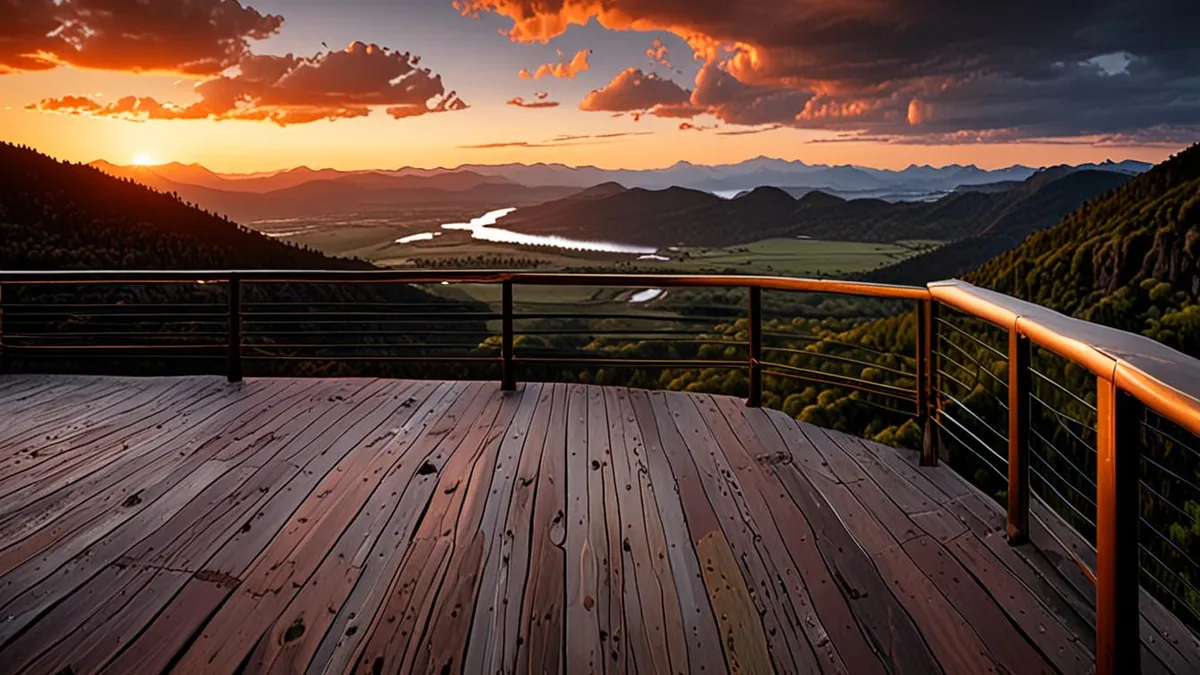
Timing shapes your wildlife experience as much as location does. In the Northern Hemisphere, peak wildlife viewing seasons generally run from May through September, when animals are most active and visible, vegetation is manageable and daylight hours are longest. This is when most lodges run their fullest schedules of guided outings, and when your chances of ticking off multiple species in one stay are highest.
Consider the shoulder months
April and October can be smart alternatives. Crowds are thinner, rates are typically lower, and some landscapes are at their most atmospheric. The trade-off is straightforward: certain species may be harder to find, some animals have moved on to seasonal grounds, and a few lodges reduce their activity schedules. If your target species is active in the shoulder months, you can get excellent value; if it is not, the savings ring hollow.
Book early for peak season
Wildlife-focused lodges are usually small, and the best-positioned properties fill first. For a peak season stay, aim to book 6–12 months ahead, especially for lodges with limited rooms or a reputation among serious wildlife travelers. Leaving it late often means choosing between poorer locations or compromised dates, which undermines everything else you planned. Once you have your dates, confirm directly which guided activities are running during your stay, since schedules can vary outside the busiest months.
Evaluate On-Site Wildlife Access and Viewing Facilities
Once you have narrowed down the habitat and timing, look closely at what a lodge actually offers on its own property. The best wildlife lodges are designed around viewing, not just sleeping. That means hides or blinds positioned near water sources, decks that face a waterhole where animals come to drink, and guided dawn walks included in the room rate rather than sold as an expensive extra.
Before you book, ask the lodge directly what viewing facilities exist and where they are located. A hide a short walk from your room is far more usable than one at the edge of the property, especially in cold or rainy conditions. Also check whether the lodge actively manages its grounds for wildlife, for example by leaving natural vegetation along riverbanks or keeping lights low at night, since light pollution can push nocturnal animals away from viewing areas.
One of the biggest questions to ask is when guided outings actually run. Some lodges offer a single midday drive because it fits staff schedules, but the most animal activity happens in the early morning and late afternoon. If your guide only takes you out at 11:00, you will spend most of your time watching animals rest in the shade.
- Ask for a sample daily schedule. A serious wildlife lodge will typically plan at least one outing that starts at or before dawn and another in the late afternoon, timed around the prime activity windows rather than around meal times.
- Check if hides are staffed or self-access. Some properties lock hides outside guided hours, while others let you sit in them whenever you like — the second option lets you catch unexpected visits from animals between scheduled activities.
- Find out what happens in bad weather. Covered hides and viewing decks with shelter mean rain does not cancel your wildlife time, which matters in climates where showers are frequent.
- Weigh the room upgrade carefully. Waterfront or waterhole-facing rooms can add 20–40% to the nightly rate, so compare that cost against simply spending your days in shared viewing areas or on guided outings.
Compare Guided Options, Group Sizes and Costs
Guiding can make or break a wildlife stay, and it is often the part of the bill that surprises people. Guided game drives or walks typically cost $50–$150 per person per outing, and at some lodges these are included in the room rate while at others they are charged separately. Always ask for a clear breakdown before booking, because a lodge that looks cheaper online can end up costing more once you add two outings a day for a week. Before you compare properties, it helps to work through how much a lodge stay really costs and what to budget for.
Group size matters just as much as price. Lodges under 20 rooms often cap groups at 6–8 guests per guide, which means a better seat in the vehicle, more time to ask questions, and photos without heads and shoulders in the frame. Larger properties may run bigger vehicles, which keeps costs down but puts you further from the action and gives you less say in the route.
If you have a specific passion, ask whether the lodge employs specialist guides. A generalist guide can show you the big, obvious animals, but a dedicated birder, tracker or photography guide will find species and behavior most guests never notice.
- Ask about a birding specialist. Birders should check whether guides carry spotting scopes and field libraries, since many species are small, fast and hard to identify from a moving vehicle without proper optics.
- Ask about a tracking guide. Trackers read footprints, scat and broken vegetation to locate animals that would otherwise stay out of sight, and this skill is especially valuable for elusive predators.
- Ask about a photography guide. Some lodges provide guides who understand light angles, camera settings and vehicle positioning, and a few offer private vehicles for photographers at an additional charge.
- Confirm private outing options. If you prefer not to share a guide, ask what a private vehicle or exclusive guide costs, and whether children are allowed on standard drives or need a family-specific arrangement.
Balance Remoteness With Practical Comforts
The lodges with the richest wildlife are usually the ones furthest from convenience. Excellent habitats tend to sit hours from the nearest supermarket, pharmacy or hospital, so before you commit, ask the lodge for realistic drive times to the closest town with a fuel station, a basic shop and medical care. If anyone in your group has a medical condition, this is not a detail to skip — find out how the lodge handles emergencies and whether it has radio or satellite communication.
Remoteness also affects the basics. Power at remote lodges may come from generators or solar systems with limited hours, and heating can be minimal in the shoulder months when nights turn cold. Food is another practical point: some remote lodges include all meals because there is nowhere else to eat, while others expect self-catering, so check exactly what is provided and whether you need to bring supplies with you.
If you are traveling with children
Families need to ask a few extra questions. Many of the best wildlife properties are unfenced, which means animals can and do move through the grounds, especially at night. Ask how the lodge manages this: whether escorts walk guests to their rooms after dark, what the rules are for children around open decks and waterholes, and how close wildlife typically comes to the guest areas.
Also confirm the room setup itself. Family rooms or connecting rooms make a big difference compared with separate units spread across a property, and a lodge that works well for a couple on a honeymoon may not suit two tired kids at bedtime. If you are traveling outside the peak May–September months, double-check that the lodge stays fully operational, since some remote properties reduce services or close entirely in quieter periods.
Wrapping Up Your Lodge Location Choice
If you take away one thing, let it be this: a great wildlife stay starts with habitat and proximity, not amenities. Many travelers book a scenic lodge only to find the animals they came for live hours away. Choose a property that sits in or near the right habitat and within easy reach of a park or reserve entrance, and the sightings largely take care of themselves.
Timing matters too. Target May–September in the Northern Hemisphere for peak activity, and book 6–12 months out, since small wildlife-focused lodges fill first. Then weigh guided options, group sizes and remoteness against your budget and comfort needs. Get those choices right and the pool or spa becomes a bonus, not a substitute. If this helped you plan your trip, leave a comment or share the article with a fellow traveler.