Booking your first glamping trip usually comes with one nagging question: what will the bathroom actually be like? Glamping bathrooms and showers vary more than almost any other part of the experience, from a full en-suite with a hot shower steps from your bed to a composting toilet and a solar bag hanging in a field. Photos rarely tell the whole story, and listings often bury the details.
This guide breaks down the realistic options. We cover the four main bathroom setups you’ll encounter, when an en-suite justifies the higher price, what shared shower blocks are like day to day, and how off-grid facilities work in practice. You’ll also find tips for confirming the setup before you book, how comfort shifts with the seasons and your budget, and a simple way to match the right bathroom arrangement to your trip.
What Bathroom Setups Glamping Sites Actually Offer
Glamping covers a wide spectrum, and the bathroom is where that spectrum shows most clearly. On the high end, some units are built like small hotel rooms: a flush toilet, a sink with running water and often a proper enclosed shower, all inside the tent, cabin or dome itself. On the other end, eco-focused sites may offer little more than a waterless toilet and a bucket of sun-warmed water. Most sites sit somewhere in between, and knowing the categories helps you read listings accurately rather than guessing from glossy photos.
The four setups you’ll most commonly come across are:
- Private en-suite bathrooms inside the unit: the closest thing to a hotel room, with a flush toilet, sink and often a proper shower just a few steps from the bed.
- Shared shower and toilet blocks: a central facility serving several tents, pods or cabins at once, similar to a well-run campsite amenity building.
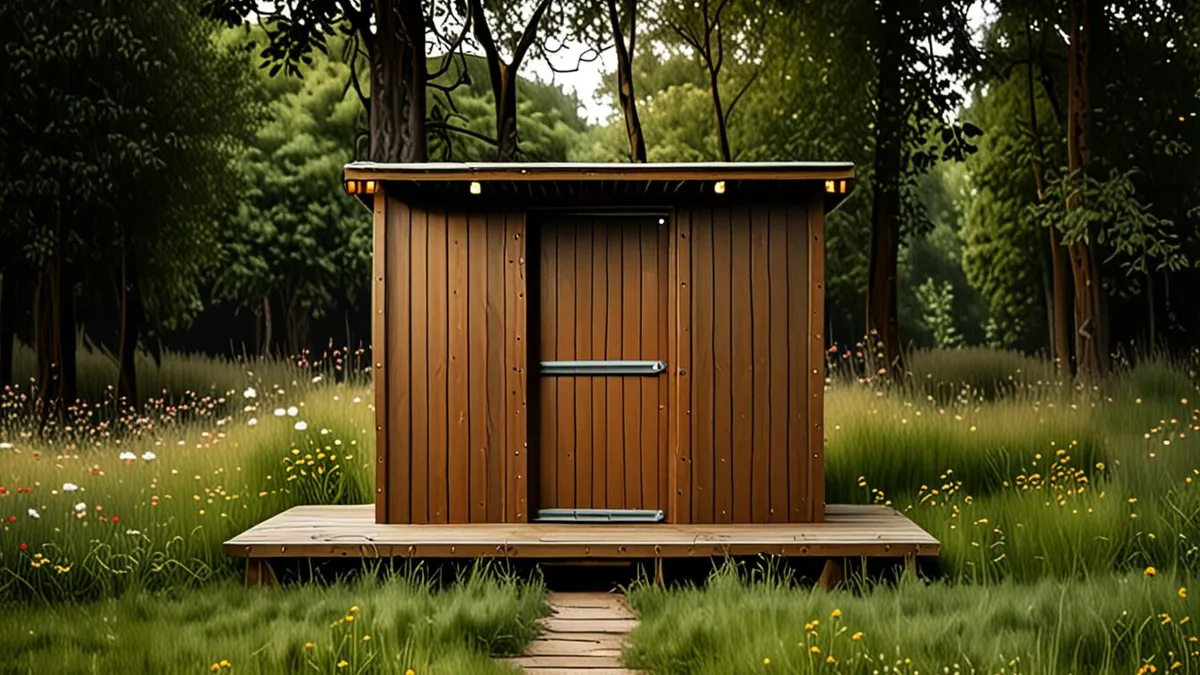
- Semi-private bathroom huts or pods: a small dedicated structure assigned to one tent, close enough for convenience but still requiring a short walk outside, often across grass or gravel.
- Basic eco or off-grid setups: composting toilets paired with solar showers or bucket showers, where hot water depends on sunshine or a wood-fired boiler rather than a switch on the wall.
Neither end of this range is inherently better. A composting toilet can suit a remote eco stay perfectly, while a family with young children may find the walk to a shared block at midnight a dealbreaker. Semi-private pods offer a middle path: more privacy than a communal block without the cost of a full en-suite. The key is knowing which setup you’re booking before you pay, not discovering it on arrival after dark.
En-Suite Glamping: When a Private Bathroom Is Worth It
An en-suite bathroom is the single biggest comfort upgrade in glamping, and it shows in the price. Expect to pay roughly 20-40% more per night than you would for a similar unit with shared facilities. Whether that premium makes sense depends on your trip, your travel companions and the season you’re visiting.
En-suite units shine in a few specific situations. Couples’ trips benefit from the privacy and the unhurried mornings. Stays in colder months or at the edges of the season are far more pleasant when you don’t cross a dark, wet field at night. And if comfort at night is a priority for you at all, having a flush toilet and hot shower inside the unit removes the most common complaint about glamping altogether.
Which unit types include en-suites
Safari tents, luxury cabins and domes are the unit types most likely to come with a private bathroom built in. These are typically the larger, more expensive structures on a site, often positioned with a bit more space between neighbors. If a listing’s photos show a proper bathroom with tiling and a full-size shower, you’re almost certainly looking at one of these unit types.
One detail worth checking
Not every en-suite shower delivers the same experience. Ask whether the unit has hot water on demand or a limited tank supply. A tank system can run cold partway through a shower, which matters if two of you want to wash one after the other. It’s also worth understanding what the nightly rate covers beyond the bathroom, since extras can shift the real cost of your stay; what glamping costs really include before you book explains this in more detail.
Shared Shower Blocks: What to Expect Day to Day
Shared shower blocks are the workhorse of glamping sites, and for many travelers they work perfectly well. The main adjustment is the walk: blocks are typically 20-100 meters from the sleeping units, so you’ll be stepping outside, possibly in the dark or the rain, every time you go. A robe or warm layer and a pair of sandals turn that walk from a chore into a non-issue.
Timing matters more than most first-timers expect. Peak-time queues are common at 8-9 am and again after dinner, when everyone on site is washing at once. Shower an hour earlier or later and you’ll usually have the place to yourself. Quality also varies widely between sites, so it pays to ask specific questions before booking rather than assuming.
- Facility standards range considerably: some sites offer heated floors, private cubicles with locking doors and good ventilation, while others provide simple stalls with minimal privacy.
- Towels and toiletries are not universal: ask the host whether they’re provided or must be brought, since this affects both your luggage and your arrival day.
- Family logistics deserve thought: if you’re traveling with young children, a shared block means supervising them through the walk and the wash, so check whether family rooms or baby-changing facilities exist.
- Footwear is genuinely necessary: wet floors and outdoor paths make sandals one of the few items that should never be left at home, as our practical glamping packing checklist covers in full.
Used strategically, a shared block costs you little. Shower off-peak, keep a robe by the door and treat the walk as part of the outdoor experience rather than an inconvenience.
Composting Toilets and Off-Grid Facilities
Composting toilets are the signature facility at eco-focused and off-grid glamping sites. They work without water or chemicals, which is great for the environment but does require a brief orientation from your host. Expect simple rules: add a scoop of covering material after use, keep the seat area clean and let staff know if anything seems off. It takes about two minutes to learn and most guests adjust quickly.
Hot water on nature’s schedule
Where there is a composting toilet, the shower setup is usually just as low-tech. Solar showers warm water using the sun, and wood-fired systems heat water in batches rather than on demand. The practical result: hot water can be limited to certain hours of the day, typically evening when the fire has been burning or mid-afternoon after hours of sunshine. Ask your host exactly when hot water is available and plan your showers around it.
Keep in mind that off-grid sites with these facilities usually operate May to September, when solar heating and dry ground make the setup workable. If you are flexible on timing, it helps to understand when to go glamping in Europe for the best conditions before committing to a rustic site.
Be honest with yourself about your comfort level. These setups suit travelers who enjoy rustic conditions and see the composting toilet as part of the adventure. They are less suitable for young children, who may find the process fiddly, and for anyone with mobility needs, since facilities are often basic and a short walk from the tent. If either applies to your group, choose a site with conventional plumbing instead.
How to Check Bathroom Facilities Before You Book
Glamping listings can be surprisingly vague about bathrooms. A beautiful photo of a canvas tent tells you nothing about whether the toilet is ten steps or a hundred meters away. Before you book, work through a few simple checks so there are no surprises when you arrive at night with a full bladder and a headlamp.
- Read the unit description, not just the site listing. Look specifically for the words en-suite, private bathroom or shared facilities. A site can advertise hot showers while the individual tent you are booking only has access to a shared block. The unit-level description is where the truth lives, so read it carefully before comparing prices between units.
- Message the host directly. Confirm three things: the exact distance to the showers, whether hot water is reliable or tank-based, and whether towels are provided or must be brought. Hosts answer these questions daily and a good one will reply within a day. If a host dodges these questions or gives a vague answer, treat that as useful information about the site in general.
- Ask about family units if traveling with children. Shared blocks can be a real hassle with kids, especially for nighttime toilet trips in the dark. Many sites offer family units with attached or adjacent bathrooms, but you usually need to request them specifically, and availability can be limited during the busiest weeks.
- Scan recent reviews for bathroom mentions. Photos often hide the real setup, so search reviews for words like shower, toilet and bathroom. Guests are candid about cold water, long walks and cleanliness, and a pattern of comments tells you more than any listing photo ever will.
Ten minutes of checking saves you from the most common glamping complaint: a bathroom setup that did not match expectations. Do it before you pay, not after, and keep the host’s written reply in case anything differs on arrival.
Bathroom Comfort Across Seasons and Price Levels
Your bathroom experience at a glamping site depends heavily on when you go and what you pay. These two factors shape not just comfort but which options are even available to you.
Season shapes your options
Luxury glamping units with private bathrooms are most widely available from May to September in Europe. In high summer, operators roll out their best inventory, including en-suite safari tents and cabins, because that is when demand peaks. If a private bathroom is a priority, booking within this window gives you the widest choice of sites and unit types.
Shoulder-season stays work differently. Some sites reduce facilities outside peak months, opening fewer shower blocks or closing certain units entirely. A site that offers full services in July may run a scaled-back operation in May or late September, so confirm exactly what will be open during your dates.
What your budget buys
As a rough rule of thumb, units priced under about 100 euros per night in Europe usually come with shared or basic facilities. That is not a bad deal, but set expectations accordingly: you are paying for the location and the canvas, not the plumbing.
Upscale sites go well beyond a standard en-suite. Roughly half of upscale European glamping sites add extras like outdoor showers, wood-fired hot tubs or bathtubs, turning the bathroom into part of the experience rather than just a necessity. If a soak under the stars sounds appealing, filter for these features specifically, since they are far from universal even at premium prices.
Choosing the Right Bathroom Setup for Your Glamping Trip
Glamping bathrooms range from en-suite luxury to composting toilets, with shared shower blocks somewhere in between. A private bathroom inside your tent or cabin usually comes at a premium over a similar setup with shared facilities, but it buys you real advantages: no night-time walks across the site and no waiting in line with your towel in the morning.
The safest approach is to confirm the details with the host before booking: how far the showers are, how reliable the hot water is, and whether towels are provided. Then match the setup to your trip. Private en-suite bathrooms suit comfort-focused stays and couples, while shared blocks work well for budget travelers. Keep the season in mind too, since facilities can be reduced outside peak months. If this guide helped you sort out your options, feel free to leave a comment or share it with a friend planning their first glamping trip.