Many travelers dream of a resort vacation without poolside cannonballs or a kids’ club soundtrack, but they hesitate because they are not sure what adults-only resorts actually include, or whether the style suits their kind of trip. Is it a quiet couples’ retreat, a party scene, or something in between? The answer varies more than most booking pages suggest.
This guide walks through what these properties really offer, from child-free pools and spas to swim-up bars and evening entertainment, and explains who benefits most: honeymooners, friend groups, and solo travelers who want full resort services without family-oriented programming. We also compare them directly with family resorts, look at the growing trend of adults-only sections inside larger properties, and share practical advice on verifying age rules, booking at the right time, and using shoulder season pricing to your advantage. By the end, you will know whether a child-free stay fits your next trip, and how to pick the right property.
What Adults-Only Resorts Actually Offer
The core promise of adults-only resorts is simple: pools, spas, and restaurants without children. Most properties enforce this with a minimum guest age of 16 or 18, and many go further by restricting the quietest zones, such as the main pool or spa area, to guests aged 16 and over. That means no swimming lessons at the family pool, no juice boxes on your lounger, and a spa where the silence is actually silent.
Amenities are geared accordingly. Expect swim-up bars where conversation replaces splash fights, wellness programs like sunrise yoga and guided meditation, and fine dining restaurants that take reservations rather than walk-ins. Evening entertainment leans toward live music, wine tastings, and beach dinners instead of early family shows.
Quiet, but not always silent
One common surprise: quieter atmosphere overall does not mean quiet everywhere. Party-focused adults-only properties exist, particularly in popular beach destinations, and they are noticeably louder, with DJ sets by the pool and themed nights that run late. Check the property’s tone before booking if calm is your priority.
Who Adults-Only Resorts Suit Best
Couples celebrating honeymoons or anniversaries are the classic fit, and it is easy to see why. Adults-only resorts build privacy into the layout: couples-only cabanas, candlelit dinner reservations, and pools where nobody is running past your chair. Since most properties set a minimum guest age of 16 or 18, and many restrict the quietest zones, such as pools and spas, to guests aged 16 and over, the calm is deliberate rather than accidental. If your goal is time together without interruptions, this format delivers it more reliably than a family property ever will.
Groups of friends and solo travelers are the second natural audience. Without family-oriented programming filling the schedule, the days stay open for reading, spa sessions, or long lunches, and there is no pressure to join organized activities designed around children. The trade-off is that some couples-focused properties can feel too intimate for a larger group, so it pays to match the property style to your party.
The third group is broader: anyone who dislikes early-morning pool games and kids’ clubs but still wants full resort services. You get the same pools, bars, gyms, and restaurants as any large resort, just without the youngest guests. Before booking, consider which of these profiles matches your trip:
- Honeymooners: look for properties with dedicated romance perks, such as private beach dinners or in-room champagne, often included in couples’ packages.
- Friend groups: seek out resorts with social pool scenes and group dining options, since some couples-focused properties feel too quiet for a group of six.
- Solo travelers: check whether the resort has single-occupancy rooms or waives single supplements, as some adults-only properties price primarily for two.
- Quiet seekers: scan recent reviews for mentions of pool volume and entertainment schedules to avoid accidentally booking a party resort.
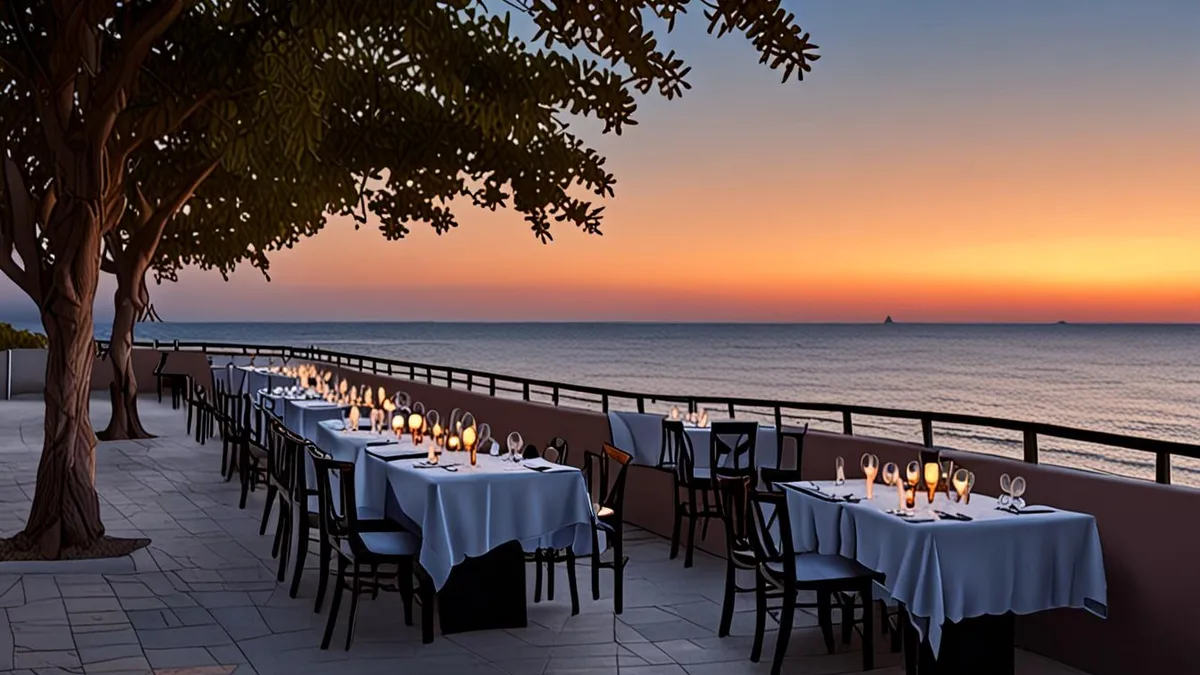
Adults-Only Resorts vs Family Resorts: Key Differences
The biggest difference between the two resort types comes down to where the money goes. Family resorts invest heavily in kids’ clubs, water parks, and supervised activities, because that is what draws families. Adults-only properties redirect that same budget into spas, dining, and design, which is why you often find more refined restaurants, better-kept gardens, and a more considered look throughout the property.
Noise and pool etiquette
On the ground, the difference is obvious within minutes. Adults-only resorts enforce quiet zones, especially around pools and spas, and loungers stay where you left them. Family resorts accept a certain level of noise by design, with splash zones and games running through the day. Neither approach is wrong; they simply serve different trips.
Price is the trade-off. Adults-only all-inclusive rates typically run 10-30% above comparable family properties, partly because the dining and spa investment has to be covered by fewer guest categories. If you are weighing meal plans as well, it helps to understand how all-inclusive compares with other options before choosing: all-inclusive versus half-board can change your total cost significantly. For travelers who want the adults-only atmosphere without the full premium, adults-only sections within larger family resorts offer a middle option at a lower price premium, which we cover separately below.
Adults-Only Sections Within Larger Resorts
Not every quiet escape requires booking a fully adults-only property. Many large family resorts now fence off dedicated adult-only wings, pools or stretches of beach, giving travelers a compromise option: full resort facilities on one side, a child-free zone on the other. For couples who travel with extended family, or friends with mixed groups, this setup can be the best of both worlds.
The main draw is price. These sections typically cost less than a stay at a fully adults-only property, since you are technically booking a standard family resort room with access to a restricted area. In practice, a well-designed adults-only pool or beach section cuts out most child-related noise during the day, which is when it matters most for anyone lounging by the water.
Before you book, dig into exactly what the adult-only designation covers. Some properties restrict only the quietest zones, such as pools and spas, to guests aged 16 and over, while the rest of the resort operates as usual. Ask these questions:
- Are restaurants and lobbies shared? If the main dining venues and reception areas remain open to all ages, the quiet benefit largely disappears at breakfast and dinner.
- Is the adult section physically separated? A gated wing or fenced pool delivers far more tranquility than a roped-off corner of a shared pool deck.
- Do section guests get exclusive amenities? Some resorts add private lounges, upgraded bars or dedicated concierge service to justify the upgrade.
- Is evening entertainment held nearby? A family show stage next to the adult pool can undo the calm after sunset.
How to Choose and Book the Right Adults-Only Resort
Choosing an adults-only resort takes a little more homework than picking a standard family property, because the label does not always mean what you expect. Some properties market themselves to grown-ups while still welcoming younger guests, and others have quietly shifted their atmosphere in recent years. A short planning process saves you from surprises at check-in and helps you lock in a better rate before the rooms you actually want are gone.
- Verify the minimum age policy in writing. Most adults-only resorts set a minimum guest age of 16 or 18, but some “adults-oriented” properties still admit younger teens. Email the resort directly and ask them to confirm the rule before you pay a deposit. If an age restriction matters to your stay, get the answer in an email rather than relying on a booking site listing.
- Book early for peak dates. For high season travel, booking 3-6 months ahead secures better rates on popular couples’ properties, which often sell out their best room categories first. Ocean-view and swim-up rooms tend to disappear fastest, so if a specific room type is part of the appeal, reserve it as soon as your dates are fixed.
- Read recent guest reviews carefully. Look for comments on noise levels, party atmosphere and dress codes from the past few months. A resort that has shifted toward a younger party crowd will show up in reviews long before it shows up in the brochure. Pay attention to how the property responds to complaints, too, since that tells you how problems are handled on site.
- Budget beyond the room rate. Resort fees sit on top of the advertised price and can add meaningfully to the final bill. It helps to understand what resort fees actually cover and how to budget for them before comparing quotes. Ask whether taxes, transfers and gratuities are included in any package quote so you can compare offers on equal terms.
A few extra emails and an hour of review reading are usually all it takes to separate a genuinely calm, couples-focused property from one that simply markets itself that way. Doing this before booking also gives you written confirmation to fall back on if the age policy is ever questioned at the front desk, which happens more often than most travelers expect.
When to Go: Timing and Price Seasons
Timing has an outsized effect on both price and atmosphere at adults-only resorts. The same property can feel like a serene couples’ retreat one month and a lively social hub the next, so it pays to know what each season delivers before you commit to dates.
Shoulder season weeks often cut adults-only package prices by 20-40% versus peak dates, making them the sweet spot for value seekers. You get the same pools, spas and restaurants at a noticeably lower rate, with fewer guests competing for loungers and dinner reservations.
High season vs low season
High season brings full occupancy and the liveliest pool scene, with swim-up bars at their most social and evening entertainment running at full energy. Low season offers maximum quiet and plenty of space, but expect shorter service hours, as some restaurants and facilities may close on a rotating schedule.
Demand also spikes around Valentine’s period and summer, when honeymoon and anniversary travel peaks. If your trip is not tied to a romantic occasion, planning around those windows can mean better rates and a calmer resort. For a fuller breakdown of booking windows and how far ahead to reserve, it is worth reading about the best time to book resort stays for lower prices.
Wrapping Up Your Adults-Only Resort Choice
Adults-only resorts answer a simple wish: a resort stay where the pool, spa and restaurants are reserved for grown-ups, typically with a minimum age of 16 or 18. In practice, that means trading kids’ clubs and water slides for calm pools, wellness programs and elevated dining, all at a modest price premium over comparable family properties.
They suit couples on honeymoons or anniversaries, groups of friends and quiet-seeking solo travelers, but not families with children. To get the best value, match the property style to your mood, whether that’s a serene wellness retreat or a livelier party resort, and ask the hotel directly to confirm its age requirement before you pay a deposit. Timing matters too: shoulder season weeks can cut package prices noticeably compared to peak dates, so a flexible calendar pays off. If an adults-only escape sounds like your kind of trip, leave a comment or share this article with a fellow traveler.