Booking an airport hotel sounds like the easiest decision of your trip: you land late, sleep close to the terminal, and walk to your morning flight. In practice, many travelers discover the problems only after check-in. The shuttle stopped running at 11 PM. The room vibrates every time a plane takes off. Parking costs extra on top of the room rate, and nobody mentioned it at booking.
The fix is simple: ask a few specific questions before you pay. This article walks through the questions that matter, starting with how to check the real distance to your terminal, then covering shuttle schedules, noise and room location, parking and early breakfast, rates and cancellation terms, and when an airport hotel genuinely beats staying downtown. A final checklist pulls everything together so your overnight stop works exactly the way you planned it.
How Close Is the Airport Hotel to Your Terminal?
The most common mistake with airport hotels is assuming that “near the airport” means “near your terminal.” Large airports can stretch for several kilometers, and hotels typically sit anywhere within 1-5 km of the terminals. That gap matters: a hotel 1 km away might get you from lobby to gate in ten minutes, while one at the far end of that range can eat half an hour of your morning, especially with traffic circling the airport roads.
So ask for the exact distance to your departure terminal, not just to “the airport.” If you fly out of Terminal 4 and the hotel quotes its distance to Terminal 1, your transfer time could double.
Distance on the map is not the same as distance by road
Some hotels advertise proximity to the airport but sit on the wrong side of a highway, a perimeter fence or a rail line. The straight-line distance looks great; the actual drive follows a detour of several kilometers to the nearest access road. Ask whether the hotel is on the airport side of any major road, or check the driving route on a map yourself before booking.
Finally, find out whether you can simply walk. A handful of airport hotels connect directly to terminals via covered walkways or sit close enough for a short, safe walk with luggage. If yours does, you remove all dependence on shuttle schedules, which is the single biggest convenience upgrade an airport hotel can offer.
Shuttle Service Questions to Ask Before You Book
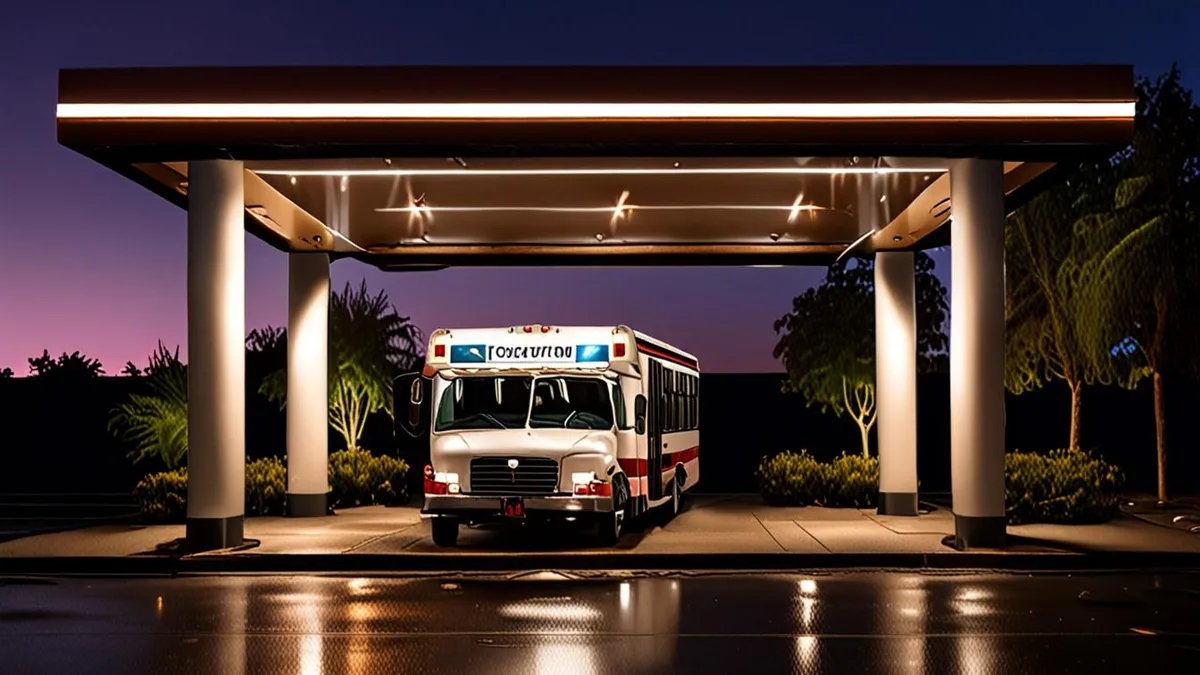
The shuttle is the reason most people pick an airport hotel, and it is also the most common source of disappointment. The first thing to confirm is frequency: free shuttle buses often run every 15-30 minutes rather than on demand. If you land at 10 PM and the bus just left, you could be waiting on the curb longer than your flight lasted. Ask whether the schedule is fixed or whether the hotel dispatches a driver when guests call.
Second, confirm the operating hours. Many airport shuttles stop operating between roughly 11 PM and 6 AM, which is exactly when late arrivals and early departures happen. If your flight leaves at 6:30 AM and the first shuttle runs at 6 AM, you may need a taxi anyway, so factor that into the price comparison.
Before you book, get clear answers on these points:
- Terminal coverage: some shuttles serve only certain terminals or make the far ones a second stop, adding 10-15 minutes to your ride. Ask whether your terminal is on the direct route.
- Cost per ride: “free” sometimes means free for guests only, or free one way but charged on the return. Ask if there is a per-person or per-ride fee and whether it is included in your rate.
- Pickup location: large airports divide shuttles into zones or separate pickup islands. Knowing the exact meeting point in advance saves a frustrated search at midnight.
Get these answers in writing, ideally in the booking confirmation email, so there is no debate at the front desk.
Noise and Room Location: Questions for a Quiet Night
Airport hotels live with airplane noise, but not all rooms suffer equally. Soundproofing matters most for rooms facing runways, where takeoffs continue past midnight and restart before dawn. When you book, request a room on the side away from the runways, ideally facing the parking lot, a courtyard or the access road. Front desk staff can usually honor this if you ask in advance or at check-in, before the hotel fills up.
Window quality is the second variable, and it explains why two rooms in the same hotel can sound completely different. Before accepting a suspiciously low rate, ask whether the windows are double-glazed or soundproofed. Older airport properties sometimes have single-pane windows in the cheaper rooms, which is often exactly why those rooms are cheap.
The third source of sleepless nights has nothing to do with planes. Use the hotel’s floor plan, if published, and guest feedback to spot the rooms to avoid. When you read hotel reviews and spot red flags early, pay attention to comments about noise from inside the building, not just aircraft. Watch for:
- Rooms beside elevators: the mechanical hum and the ding run all night, and guests rarely mention it until after they have stayed.
- Rooms above or next to the bar and restaurant: airport hotel bars often stay open late to serve stranded travelers and crews.
- Rooms near the shuttle pickup point: the front entrance area gets rolling luggage, idling buses and early-morning groups starting around 4-5 AM.
A quiet room on the upper floor, away from all three, is usually just a matter of asking before you arrive.
Parking, Park-and-Fly and Early Breakfast Questions
Parking is one of the biggest reasons travelers pick an airport hotel, and the details matter more than the headline price. If you drive to the airport, ask whether the hotel offers a park-and-fly package and, crucially, how many days of parking it includes. Most packages cover 7-14 days, so a two-week trip may push you into daily overflow charges if you assume parking is unlimited. It also pays to ask whether the package rate is per room or per car, and whether extending your parking mid-trip can be arranged in advance at a fixed rate rather than at the front desk price.
Early departures bring a second set of questions. A typical pre-8 AM flight means you need to leave the hotel around 4-5 AM, and many airport hotels only open their restaurant at standard breakfast hours. Some offer a limited early spread, others just coffee and pastries in the lobby. Ask exactly what “early breakfast” means before you book, and confirm reception is staffed overnight if you will be checking out in the middle of the night.
- Ask whether the parking spot is self-park or valet, since valet service can involve waiting for an attendant at 5 AM.
- Check if the package price covers one car only, which matters if you are traveling as two drivers in separate vehicles.
- Confirm whether luggage storage is available before standard check-in, so you can drop bags and use the shuttle without hauling suitcases around.
- Ask if the parking area is gated or monitored overnight, a fair question when your car will sit for a week or more.
Rates, Cancellation Terms and Booking Timing
Airport hotel rates vary enormously for what looks like the same product. Across most cities you will find rooms somewhere in the $80-250 per night range, and the gap usually comes down to two things: the brand attached to the property and how close it sits to the terminal. A no-frills hotel 5 km out can cost half the price of a full-service property right next to the departures road, so decide how much that final kilometer is worth to you.
Before you pay, read the cancellation terms carefully. Airport hotels commonly require cancellation 24-48 hours before arrival, and some nonrefundable rates offer no flexibility at all. That matters more here than at a leisure hotel, because flight times change, connections get missed and trips get cut short. If your itinerary still has any uncertainty, pick a rate you can cancel without penalty, even if it costs a little more.
Timing your booking
Airport hotels fill up in ways regular city hotels do not, because they absorb stranded passengers after delays and cancellations as well as early-morning flyers. For peak season dates, booking 2-4 weeks ahead gives you real choice in both price and room type. If you want a fuller picture of how far in advance to reserve, this guide on when to book hotels for lower prices in peak season breaks down the timing by destination type.
When an Airport Hotel Beats Staying Downtown
There are moments when an airport hotel is simply the smarter choice, and the clearest one is an early departure. If your flight leaves before 8 AM, sleeping minutes from the terminal beats a 45-minute city commute by a wide margin. You can wake later, skip the pre-dawn taxi gamble and still reach check-in with time to spare. For a one-night stay, the convenience usually outweighs the trade-off in atmosphere and charm.
When downtown makes more sense
Long layovers change the math. If you have more than 12 hours between flights, leaving the airport area can add real value, whether that means a proper meal, some sightseeing or just a different view out the window. In that case, a downtown hotel with reliable airport transport may serve you better than a room with a runway view. Just factor the transfer time both ways before deciding, because a long round trip can quietly eat half your layover.
Late arrivals argue for staying close, too. Landing at midnight means fatigue, unfamiliar streets and the risk of finding city transport scarce, and a long transfer at that hour can turn into an expensive ordeal. An airport hotel with an overnight shuttle, or one close enough to reach by a short taxi ride, lets you collapse into bed quickly and start fresh the next day. If you do choose the airport option, confirm the shuttle still runs at your actual landing time before you book, since overnight service is not guaranteed at every property.
Your Pre-Booking Checklist for Airport Hotels
Most travelers book an airport hotel for one reason: convenience. Then they arrive, discover the shuttle stopped running hours ago, hear every takeoff through a thin window, or get charged extra for parking they assumed was included. The fix is simple — ask the right questions before you pay, not after you check in.
You now know to verify the distance to your terminal, shuttle hours, room soundproofing and parking coverage before handing over your card. Rates, cancellation windows and booking lead times decide whether that convenience is actually worth the price. Ask these questions up front, and an overnight stop becomes a smooth start to your trip instead of a stressful one. If this checklist helped you, leave a comment or share it with a fellow traveler.