Glamping in winter sounds like a dream: snow falling outside a curved window, a wood stove crackling, and a glass roof full of stars above your bed. But many travelers hesitate, wondering whether a tent or dome can really stay warm when the temperature drops well below freezing. The honest answer is that it depends entirely on the structure, the heating and how the site is prepared for the cold season.
This guide explains how cold-season stays actually work, from insulated domes and cabins to winterised water systems. We will look at which accommodation types genuinely hold their warmth, when and where to go, how to time and price your booking, what to pack, and whether these trips suit families. By the end, you will know exactly what to check before reserving a snowy night under canvas or glass.
What Makes Glamping in Winter Different From Summer Stays
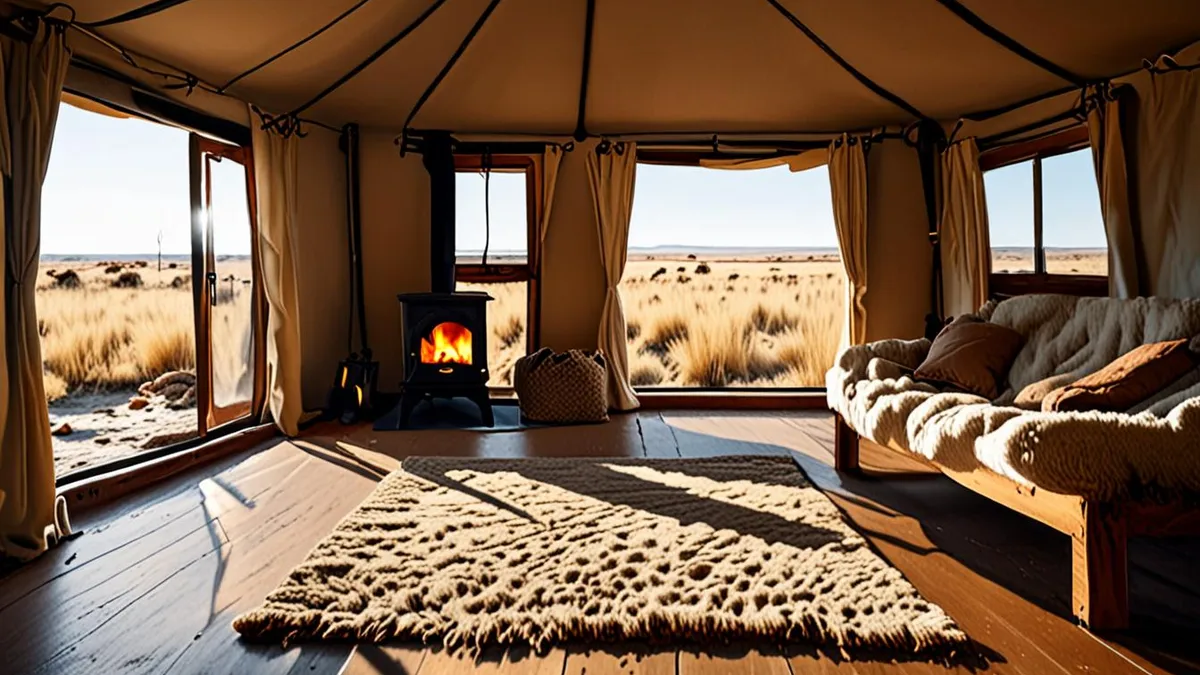
Winter glamping is built around a completely different structure than a summer stay. Instead of open canvas sides and mesh windows, cold-season units rely on enclosed, insulated designs: geodesic domes with lined interiors, safari tents fitted with stoves and solid walls or windows, and proper timber cabins. The fabric alone would never hold heat in frost, so insulation layers and weatherproofing are what make these stays possible at all.
Heating becomes the heart of the unit
Heating is not an optional extra in winter — it is central to the whole experience. Wood-burning stoves are the classic choice and add real atmosphere, but many sites also use underfloor heating or electric radiators to keep a steady base temperature. A good operator will explain how the heating works and whether someone needs to feed the stove overnight.
Two other practical differences matter just as much. Daylight is short — around eight hours in December in mid-latitude Europe — so sites put real effort into lighting and evening atmosphere, since you will spend most of your time inside after mid-afternoon. Water systems are also winterised to prevent pipes freezing, and at some sites that means limited or shared facilities rather than the full en-suite setup you might expect in summer. Ask before booking if that matters to you.
Which Accommodation Types Actually Stay Warm
Not all glamping units cope equally well with frost, and the difference comes down to insulation and structure. The warmest options are essentially small buildings with a glamping twist, while the most photogenic ones often trade heat for views. Knowing which is which before you book will save you from a shivery disappointment, especially in January and February when nights are longest and coldest.
Geodesic domes with insulated liners and a wood stove are the winter workhorses. They are engineered to handle snow loads, and a well-run unit holds an interior temperature around 18-22°C even when it is -10°C outside. A-frame and solid cabins go one step further: they feel closest to a small hotel room, often with private bathrooms and proper plumbing, which matters a lot when the ground is frozen solid and pipes outside are at risk.
- Safari tents with log burners: charming and atmospheric, but the least insulated option since the walls are still canvas. Ask specifically what heater is installed and whether the tent has a winter lining before you commit.
- Glass-roofed igloo-style units: designed to prioritize stargazing over insulation, so they suit milder winter destinations where deep frost is unlikely. If snow and sub-zero nights are your goal, choose a dome or cabin instead.
- Private versus shared bathrooms: in freezing conditions, a short walk to a shared washblock feels very different from summer. Solid cabins are the safest bet for en-suite comfort.
Match the unit to your plans as well as the weather. If you want to be close to slopes and reliable snow, mountain regions between 1,000-2,500 m elevation tend to have the widest choice of properly winterised domes and cabins. If your priority is lying in bed under the stars, a glass-roofed unit in a milder lowland or coastal spot makes more sense. And if you are flexible on timing, our guide to the best seasons for glamping in Europe helps you match your accommodation type to the conditions you actually want, whether that is deep powder or simply a crisp, starry night.
When to Go and Where Winter Glamping Works Best
The European winter glamping season typically runs from November through March, and within that window January and February are usually the snowiest months. That is when mountain sites look their best, but it is also when access roads and heating systems are under the most strain. December offers a festive atmosphere with slightly milder conditions in many regions.
Where the snow is reliable
Mountain regions at 1,000-2,500 m elevation offer the widest winter availability, because they combine dependable snow with established winter infrastructure — cleared roads, nearby ski areas and operators used to cold-season guests. These are the destinations to choose if deep snow, sledging and alpine scenery are the point of your trip.
If snow is not your priority, milder coastal or southern destinations work well with glass-roofed igloo-style units, where stargazing matters more than frost. You still get crisp nights and long dark skies without ice on the paths.
For value, December and February are smart picks. Both deliver full winter conditions while avoiding the peak Christmas premium that applies to the holiday week itself. Check with individual sites for exact dates and pricing, since the premium period varies by operator.
Booking Winter Glamping: Timing, Prices and What to Check
Winter glamping has grown popular enough that the best units sell out long before the first snow falls. Unlike summer trips, where you can often book a few weeks out, cold-season weekends reward early planning. Sites that operate year-round usually keep only a fraction of their units winter-ready, so the insulated domes and solid cabins with stoves are the first to go. That means the choices left in late autumn are often the least comfortable ones. Here is how to approach booking so you end up with a warm, well-prepared unit rather than a disappointing compromise.
- Reserve 3-6 months ahead for December-February weekends. Insulated domes and cabins with stoves are limited in number, and winter weekends fill quickly. For Christmas and New Year dates, book even earlier — these weeks are the busiest of the whole season, and latecomers are usually left with midweek slots or less-insulated tents.
- Expect winter rates 20-40% above low-season autumn prices. Heating costs and the smaller number of winter-ready units push prices up. If you want a sense of what is actually included in that rate — firewood, bedding, cleaning — it helps to understand what glamping costs really cover before you book.
- Ask specific questions before paying. What type of heating does the unit have — wood stove, electric radiators, underfloor heating? Is water available in winter, or are taps shut off? Are bathrooms private or shared? How is firewood supplied, and is there enough for a full weekend? These answers separate a comfortable stay from a cold one.
- Read the cancellation terms carefully. Heavy snow can make mountain access difficult, and some sites have stricter winter policies than summer ones. Make sure you know what happens if the weather turns against you, whether you can rebook, and how much notice the site needs.
A short phone call or email before booking saves most winter disappointments. Hosts who run cold-season sites are usually happy to talk through heating, water and access in detail — and their answers tell you a lot about how well-prepared the site really is. If a host is vague about how the unit is heated or how paths are cleared after snowfall, treat that as a warning sign. Well-run winter sites answer these questions confidently, because they hear them every week. It is also worth asking about arrival logistics: whether you need a car with winter tires, how far you park from the unit, and whether someone is on site overnight in case the stove goes out or a pipe freezes. Ten minutes of questions before you pay is far easier than a freezing night in a unit that was never designed for the season.
What to Pack for Cold-Season Comfort
Packing for a winter glamping trip is closer to packing for a winter hike than for a hotel stay. You will walk between your unit and shared facilities on icy ground, spend evenings in a heated but not tropical interior, and face darkness by late afternoon. Snow, slush and wood smoke all take a toll on clothing and gear, so leave delicate items at home. The right kit makes the difference between cosiness and misery, so start from a solid practical glamping packing checklist and add these cold-season essentials before you zip up your bag.
- Layered clothing rated for -5 to -15°C. Merino base layers wick moisture away from your skin, a mid-layer traps warmth, and an insulated outer shell blocks wind. Layers let you adjust when you step from frosty air into a stove-warmed dome.
- Waterproof insulated boots with good grip. Paths between units are often compacted snow or ice, and smooth-soled boots turn the ten-meter walk to the bathroom into a slip hazard. Look for deep tread and a warm lining.
- A headlamp or torch with spare batteries. Many sites keep paths deliberately unlit to preserve the night sky, and with only around eight hours of December daylight, you will arrive or move around in the dark more often than you expect.
- Moisturiser and lip balm. The combination of cold outdoor air and dry stove or radiator heat chaps skin and lips fast. A small tube in your pocket gets more use than you would think.
Leave room in your bag for a spare pair of socks and a warm hat for sleeping — interiors hold around 18-22°C, but a little extra warmth at night never hurts. Pack everything in soft duffel bags rather than hard suitcases, since storage space in domes and cabins is limited and a duffel tucks under a bench far more easily. Finally, bring a reusable water bottle and a good book or downloaded films: with early sunsets, you will spend more evenings indoors than on a summer trip, and the coziest stays are the ones where you are happy to do very little at all.
Are Winter Glamping Trips Suitable for Families
Winter glamping with children works well — but only in the right unit. In freezing conditions, a cabin-style unit with a private bathroom is by far the easiest option. Getting kids dressed for a midnight walk across an icy site to a shared washblock quickly loses its charm, and young children in particular need quick, warm access to a toilet. A solid cabin gives you that, plus more floor space for gear drying by the door.
What the days actually look like
Summer staples like swimming and long evening walks outside simply do not apply. Instead, the rhythm shifts to snow play and short hikes during the limited daylight, then board games, hot chocolate and stove-watching in the evening. Many children take to this instantly — snow is its own entertainment — but it is a different pace from a summer trip, and worth setting expectations about before you go.
Check the practical details before booking
Two things deserve a direct question to the host. First, maximum occupancy: some family units officially sleep four but feel tight once everyone’s winter clothing is inside. Second, heating capacity — a wood stove sized for a couple may struggle to keep a family unit comfortably warm on the coldest nights, so ask what heating the family units actually have.
If you are unsure whether your kids will enjoy it, book a two-night stay rather than a week. It is a low-risk test: short enough to bail out gracefully if the cold is not their thing, long enough to know if they love it. Families who get the first winter trip right tend to come back for longer stays.
Is Glamping in Winter Worth It
So, is winter glamping worth it? Yes — as long as you pick the right structure. Insulated domes and solid cabins with real heating hold a comfortable 18-22°C even in deep frost, so you get snow-covered views from a warm bed rather than a shivery night in thin canvas. Safari tents with stoves can work too, but they need more careful booking and realistic expectations.
It is a different kind of trip from a summer stay: short days, cozy evenings and quieter sites, usually at a premium of 20-40% over autumn rates. Book 3-6 months ahead to secure the best-insulated units, pack for the cold, and a winter glamping escape can easily become one of your most memorable trips. Have you tried a cold-season stay yet? Leave a comment or share this article with someone who needs a winter getaway idea.