Many travelers book a mountain lodge without really understanding what half board, full board or self-catering actually cover. Then the bill arrives, and drinks at dinner, a missed lunch or an unplanned restaurant visit turn a good deal into an expensive one. Lodge meals and board options vary more between properties than most people expect, and the differences can swing your nightly total by a wide margin.
This guide walks through what each board type typically includes, what a half board dinner actually looks like on your plate, what a self-catering kitchen provides, and how each option affects your budget. We also cover dietary requests and meal timing, how the right plan changes with season and destination, and how to pick the meal plan that fits your trip. By the end, you should be able to compare rates with confidence instead of guessing what you are paying for.
What Lodge Meals and Board Options Actually Mean
Lodge rates are usually built around a board basis, which is simply the level of meals included in your nightly price. Understanding these terms before you book helps you compare offers fairly, because two lodges with similar room rates can end up costing very different amounts once meals are factored in. The base rate is always the cheapest option, and each step up adds more food and drink.
Most lodges, especially in the Alps, offer several of these options side by side, so you can choose based on how much you plan to eat in-house. The differences sound small on a booking page, but they shape your whole daily routine: where you eat, when you eat and how much planning you need to do around trail times or ski days. Here is what each board type typically covers:
- Room-only: covers accommodation and nothing else, making it the cheapest base rate and a good fit for travelers who plan to eat out or cook every meal.
- Bed and breakfast: adds a morning meal, usually served as a buffet with bread, eggs, cheese and fruit, so you start the day fueled without hunting for a café.
- Half board: bundles breakfast with one evening meal, usually dinner, and it is the most common lodge package in the Alps for good reason.
- Full board: adds lunch on top of breakfast and dinner, useful at remote lodges far from any restaurants or shops.
- All-inclusive: extends further to drinks, snacks and sometimes afternoon cake hours, which minimizes almost every extra charge during your stay.
If you are unsure which level a lodge is offering, ask the property to confirm exactly which meals and drinks appear in the rate before you commit. Wording varies between booking platforms and lodge websites, and a package labeled “full board” at one property may include only a light lunch at another. A quick email before booking takes minutes and can save you from surprise restaurant bills later in the week.
What a Typical Half Board Dinner Includes
Half board dinners at alpine lodges usually follow a set menu format rather than an open restaurant menu. Expect two or three courses, sometimes with a choice of main between two or three dishes. The kitchen plans quantities in advance, which is how lodges keep the package price reasonable, so flexibility is limited compared to ordering à la carte.
Seatings and drinks
Dinner is served at fixed seatings, commonly starting between 6:30 pm and 8:00 pm. Arrive too late and you may find the dining room wrapping up, so plan your day around the stated time. Drinks are almost always billed separately, which surprises many first-time half board guests. Even a soft drink or a glass of wine with dinner adds to your final bill, so budget a little extra each evening or ask whether a drinks package exists.
Themed evenings
On weekly stays, lodges often run themed dinner nights to break up the set menu routine. Barbecue evenings and regional specialty nights are common, and some lodges publish the weekly program at check-in. If you are staying several nights, it is worth checking the schedule so you know which evenings offer something different and which are best spent dining out.
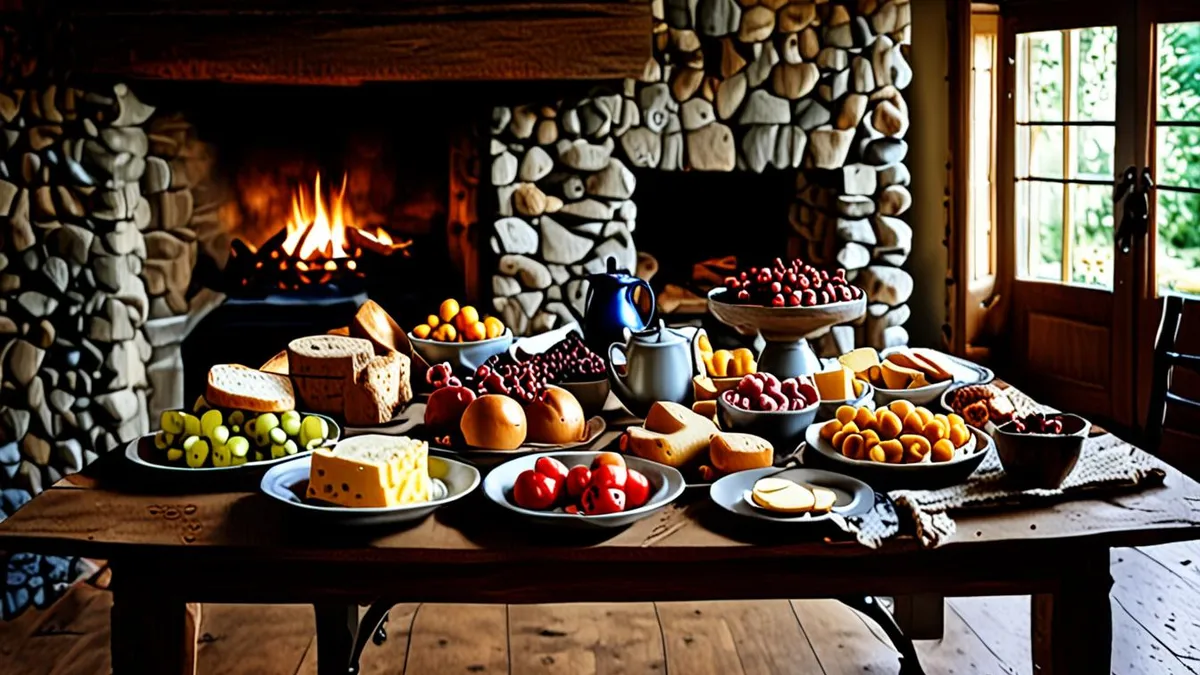
Self-Catering Lodges: What the Kitchen Includes
Self-catering lodges give you a full kitchen or a well-equipped kitchenette with a stove, fridge and cookware, so you can prepare your own meals on your own schedule. This setup suits families with young children, travelers on longer stays and anyone who prefers flexibility over a fixed dinner seating. The trade-off is that you handle the shopping, cooking and cleaning yourself.
Most lodges stock a few basics so you are not buying a full set of condiments for a one-week stay. Typically provided items include:
- Basic staples such as salt, pepper, oil and coffee supplies, including coffee filters at many properties.
- Essential cookware and utensils, though check in advance if you need anything specialized like a fondue pot or a large roasting pan.
- Enough tableware for the stated maximum occupancy, which matters if you invite fellow guests over for a meal.
One practical warning: in mountain areas the nearest grocery store can be 20-30 minutes away by car, and smaller village shops carry limited stock at higher prices. Shop before you arrive, or plan a grocery stop on the way up. The reward for that effort is real, since room-only or self-catering rates typically run 20-40% below half board at the same lodge, which adds up quickly over a week.
How Board Options Affect Your Lodge Budget
The easiest way to judge a board option is to price the meals inside it. A half board dinner often works out to the equivalent of 25-45 euros per person per night within the package. Compare that to eating out: in most resort areas, a restaurant dinner with a main course and a drink can easily exceed that amount for one evening alone. Suddenly the “expensive” package rate looks like decent value.
Why families often come out ahead
Families with children usually save the most on half board. Kids’ meal prices are typically discounted within the package, sometimes substantially, and children tend to be happy with the simpler set menu options. Two or three nights of discounted family dinners can offset a noticeable chunk of the room rate difference.
The key habit is comparing total trip cost rather than the headline room rate. A cheaper room-only price can look tempting, but add up restaurant dinners, lunches and snacks before you decide. If you want a framework for this, our guide to budgeting the true cost of a lodge stay walks through the full calculation. Run the numbers for your own group size and eating habits, and the right plan usually becomes obvious.
Dietary Needs and Meal Timing to Check Before Booking
Dietary requirements are rarely a problem at lodges, but they are a logistics question. Vegetarian, vegan and gluten-free meals are widely available, yet kitchens typically need 48-72 hours advance notice to plan for them. Mention your needs at booking, not at check-in, and get the confirmation in writing if the diet is strict. This is especially important for allergies, where a misunderstanding at a remote mountain kitchen can turn a minor inconvenience into a serious one. If you travel with celiac disease or a severe nut allergy, ask specifically how the kitchen handles cross-contamination and whether they can prepare your food separately.
Meal timing matters just as much, especially if you plan active days. Dinner service in alpine lodges commonly begins in the early evening, so a late arrival by flight, train or car can leave you scrambling. A few questions worth asking before you pay the deposit:
- Is lunch included or an add-on? If you plan full-day hikes, confirm whether midday food is part of your board plan or available as a paid supplement, and roughly what it costs.
- Does the lodge offer packed lunches? Many lodges near trailheads and national parks will prepare a lunch bag the night before, which can save you from buying expensive snacks on the mountain.
- What time is dinner served? Ask for the exact seating window and whether the kitchen can hold a plate if you arrive after it starts, or whether you should plan to eat on the way.
- Can children eat earlier? Families with young kids often appreciate an early seating option, which some lodges offer on request.
None of these details show up reliably on booking pages, so a short email to the lodge before you arrive is the best five minutes you can spend on trip planning. Write down the answers, keep them with your booking confirmation, and you will avoid most meal-related surprises before you even reach the front desk.
Matching Board Plans to Season and Destination
Season shapes which meal plan makes sense. Alpine lodges typically run summer packages from May to October and winter packages from December to April, and the board options attached to each can differ noticeably. The same lodge that pushes all-inclusive in January may happily sell you a simple bed and breakfast rate in July.
Winter: dine in by default
Winter ski lodges lean heavily toward half board or full board, and for good reason. Slopes and lifts close by late afternoon, guests are tired from the day, and nobody wants to shovel snow off a car to drive to a restaurant. Dining in becomes the natural rhythm of a ski week, and the package price usually reflects that convenience.
Summer: more freedom, more flexibility
Summer travelers use lodges differently. Days are spent exploring lakes, hiking trails and national parks, often far from the lodge at lunchtime, so many guests prefer bed and breakfast or a self-catering option that lets them eat where the day takes them. If you are weighing which weeks to travel, our guide to choosing the best season for an alpine lodge stay covers how rates and packages shift through the year.
Destination matters as much as season. Remote safari lodges and national park properties usually include all meals by default, simply because there is no town or restaurant nearby to eat in. In those cases the question is not whether to take the meal plan, but what drinks and extras it covers.
Choosing the Right Meal Plan for Your Lodge Stay
Board options range from room-only to all-inclusive, and each one changes your nightly total in ways that are easy to miss when you book. If you know what a rate covers before you arrive, there are no surprise drinks bills or missed dinners waiting at checkout. That is the whole point of understanding meal plans before you pay.
As a rule of thumb, half board suits most alpine trips, while self-catering suits independent travelers with cars. Budget totals, dietary needs and season all shape which plan gives the best value, so compare the full cost of your stay rather than the room rate alone. If this guide helped you sort out your lodge meal plan, feel free to leave a comment or share the article with a fellow traveler.