One of the most common questions travelers ask before booking a lodge stay in the mountains is simple: which month gives me the best mix of good weather, wildlife sightings, fair prices and actual room availability? It’s a fair question, because Canadian Rockies lodges can feel like two completely different places depending on when you arrive. The same room with the same view can cost twice as much in August as it does in October, and the trails outside your door may be wide open or buried under snow.
This guide walks through what each season really offers, from the busy summer peak to the quiet shoulder months and the snowy winter season. You’ll find practical advice on when trails and lakes are at their best, when crowds and prices peak, and how far ahead you should book. By the end, you should have a clear idea of which window fits your budget, your interests and your tolerance for sharing a viewpoint with a hundred other people.
Why Timing Matters for Canadian Rockies Lodges
Timing shapes almost everything about a lodge stay in the Canadian Rockies. The season you choose determines which trails are open, which animals you’re likely to see, how bright that famous turquoise lake water looks, and how much your room costs. A lodge that feels peaceful and private in late May can be fully booked and buzzing in late July.
Price swings are the most obvious example. Rooms at the same lodge often command a premium in August compared to May or October, and that gap frequently carries over to nearby dining and guided activities as well. If your dates are flexible, shifting your trip by even a few weeks can free up a meaningful chunk of your budget for a longer stay or a nicer room category.
Short weather windows
The other thing to understand is that the comfortable season is short. Full trail access and warm days typically last only from late June through early September, and snow can linger at higher elevations well into spring. Pick the wrong month for your plans, and the hike or lake day you dreamed about may simply not be possible. Choosing your month carefully is the single biggest decision you’ll make for this trip.
Summer: Late June to Early September
Summer is the season most people picture when they imagine the Canadian Rockies, and for good reason. From late June through early September, you get the warmest weather of the year, with daily highs in July and August typically around 20-25°C. More importantly, this is when all hiking trails are open, including the high-elevation routes that stay snowbound for most of the year.
It’s also when the lakes look their best. The famous turquoise color of Lake Louise and Moraine Lake is at its brightest in summer, fed by glacial meltwater. The trade-off is people: July and August bring peak crowds at Banff and Jasper, and the Lake Louise and Moraine Lake areas see their heaviest congestion during these months. Expect busy trailheads, packed parking and lines at popular viewpoints, especially midday.
Booking a summer lodge stay
Because demand is so high, the top lodges sell out for summer weekends, often far in advance. Plan to book 6-12 months ahead if you want a specific lodge or room type in July or August. If your schedule allows, aim for late June or early September, when weather and trail access are still excellent but the crush of peak season has eased slightly. Early morning starts also help you enjoy the lakes and trails before the biggest crowds arrive.
Shoulder Season: May, June, September and October
The shoulder months of May, June, September and October are the smart traveler’s secret in the Canadian Rockies. Rates during these months often run 20-40% below peak prices, and you’ll share trails, roads and lodge common areas with far fewer visitors. That quieter pace changes the whole feel of a stay: you can linger over breakfast, ask staff for route suggestions without competing for their attention, and find parking at popular viewpoints without arriving at dawn. Lodges that are fully booked in August often have space on short notice in the shoulder season, and you’ll typically have more room choices at every price point. If your dates are flexible, shifting a trip by even a few weeks can mean the same room, the same views and noticeably lower rates.
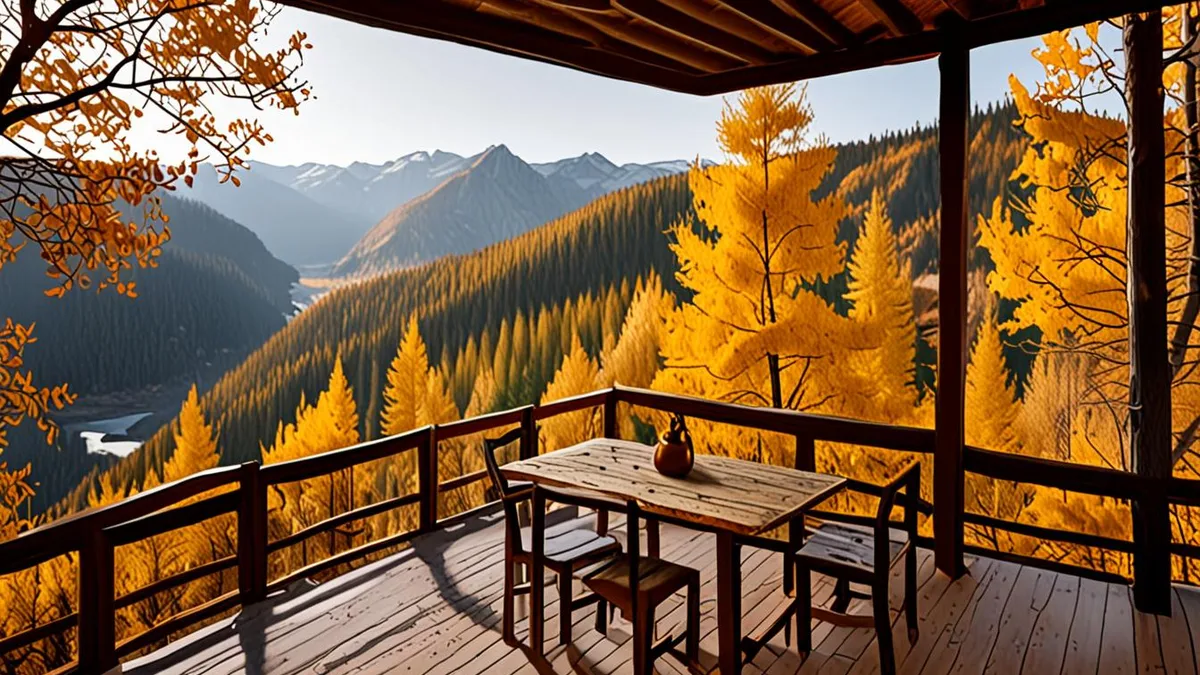
September is arguably the best single month of the year for a lodge stay. The summer crowds thin out, daytime temperatures are still pleasant for hiking, and two seasonal spectacles arrive at once: the golden larches turning on higher slopes and the elk rut, when bulls bugle across the valleys at dawn and dusk. For wildlife watchers and photographers, it’s hard to beat. Mornings are crisp and clear more often than in midsummer, and the light is softer for photography all day long. Just keep in mind that larch season is short and draws its own fans, so popular areas near Lake Louise can still see busy weekends while the color lasts.
What to know before choosing shoulder dates
- Higher elevations hold snow into spring. In May and early June, popular high trails and passes can still be snow-covered, so check trail conditions before committing to specific hikes.
- Lakes wake up slowly. Glacial lakes stay a duller gray-blue in May and early June, and some may still have ice at the edges; the vivid turquoise color typically develops by midsummer.
- Pack for variable weather. Shoulder months can swing from warm, sunny afternoons to cold rain or wet snow in a single day, so layers and waterproof gear matter more than in July.
- Some services run reduced schedules. A few seasonal restaurants, shuttle routes and activity operators operate limited hours in May and October, so confirm what’s open before you book.
Winter Lodge Stays: December to March
When snow settles over the Canadian Rockies, lodge life shifts into a different rhythm. Hiking gives way to snowshoeing, ice skating and skiing as the main activities, and many lodges set out groomed trails or frozen ponds right on their doorstep. It’s a slower, cozier style of trip built around wood stoves, hot drinks and big windows facing the peaks.
The trade-off comes in daylight and temperature. Days are short, with darkness arriving early in the afternoon in December and January, and temperatures regularly drop below freezing. Pack proper layers, insulated boots and traction devices if you plan to walk icy trails. Check road and trail conditions before setting out, as mountain weather can change quickly.
The upside is space. Popular viewpoints and valley trails that feel packed in summer are far quieter, and towns like Banff and Jasper lean into a festive atmosphere with lights, markets and warm seasonal events. If you want a deeper look at what a snowy lodge stay involves, our guide to winter lodges for snowy escapes covers the details.
Timing still matters within the season. The weeks around Christmas and the February school-break weeks are the busiest and most expensive winter dates, with lodges filling early and rates climbing. If your schedule is flexible, January and early March typically offer the same snowy scenery with more availability and a calmer pace.
How Far Ahead to Book Canadian Rockies Lodges
Booking lead time makes a bigger difference in the Canadian Rockies than in most mountain destinations, because the number of true lodges is small and demand for a short summer window is huge. Popular properties near Lake Louise, Moraine Lake and the main Banff and Jasper corridors have limited room inventory, and summer weekends disappear quickly. A little planning discipline pays off twice: in the price you pay and in the room you actually get.
- Reserve peak-season dates as early as you can. For July and August stays near marquee spots, the most desirable lodges and room types often sell out many months in advance. Booking the moment reservations open gives you the best shot at your first choice, while waiting usually means settling for leftover rooms or less convenient locations.
- Use 2-4 months’ notice for shoulder-season trips. May, June, September and October typically leave more flexibility to plan, and you’ll often find better room selection than last-minute bookers get in summer.
- Check cancellation policies before committing. Long lead times mean plans can change, so confirm how flexible your booking is before you lock in a peak-season room.
- Prioritize midweek dates whenever you can. In every season, midweek nights are easier to secure than weekends, which matters most if you’re booking closer to your travel date.
- Set a reminder for the booking window. If a lodge opens reservations a fixed period in advance, mark the date and book that day for high-demand summer weekends.
One more habit that helps: once you have your dates, book the rest of the trip around the lodge rather than the other way around. Lodges are the anchor of a Rockies itinerary, and everything from trailhead plans to dining reservations becomes easier to arrange once your room is confirmed. If your first-choice lodge is full, ask about waitlists or cancellations, since plans do change and rooms occasionally reappear.
Matching Your Budget to the Season
Lodge rates in the Canadian Rockies vary more by season than almost any other factor. As a broad guide, expect roughly CAD 200-600 per night depending on the season, the location and the style of lodge, from simple cabins to full-service mountain resorts. The same room can sit at opposite ends of that range between May and August, which is why timing is the first budget decision you should make.
Shoulder months stretch a budget furthest without sacrificing scenery. September in particular delivers golden larch color and excellent wildlife viewing, while May and June offer waterfalls at full flow and far quieter trails. You’re trading a bit of warmth for a lot of value.
Remember that the nightly rate isn’t the whole picture. Peak-season demand also raises nearby dining and activity costs, so a summer trip costs more than the room rate alone suggests. If you’re building a full budget, it helps to look at what a lodge stay really costs with some budget planning tips before you commit to dates.
- Meals and remote locations: lodges far from town may rely on set menus or require driving to restaurants, which adds daily food costs to your tally.
- Park and activity add-ons: guided hikes, canoe rentals and hot springs visits are priced separately, and popular summer slots can sell out, so budget and book ahead.
- Vehicle and fuel considerations: distances between Banff, Jasper and trailheads are significant, so a longer stay means more fuel than many travelers expect.
- Shoulder-season packing costs: May and October trips may call for extra gear like waterproof layers or traction devices if you don’t already own them.
Choosing Your Best Window
So which months give the best mix of weather, wildlife, prices and availability? It depends on what you value most. Summer, from late June through early September, suits hikers and first-time visitors who want warm days, full trail access and those famous turquoise lakes at their brightest, provided you book well ahead and accept the crowds.
September and October reward travelers who prefer quiet trails, golden larch color, elk rut sightings and rates often 20-40% below peak. Winter, roughly December through March, fits skiers and snow lovers who don’t mind short days and sub-zero temperatures in exchange for a cozy, festive lodge atmosphere. Whichever window you choose, matching the season to your priorities is what turns a good Rockies lodge stay into a great one. Have a favorite time to visit, or a question before you book? Leave a comment or share this article.